When planning to install underwater pool lights, one critical question arises: what voltage are standard underwater pool lights? Understanding the voltage standard is essential for safety and optimal performance. Many pool owners underestimate this aspect, leading to complications during installation.
Underwater pool lights typically operate on low voltage systems, commonly 12V or 120V, depending on the type of fixture and its intended use. It's important to research the specific requirements of your chosen lights. Confusion about voltage standards can lead to mismatched fittings and potential hazards.
Many factors can influence your choice, such as local codes and personal preferences. Consulting a professional can offer clarity. However, it’s also vital to gain a basic understanding. This knowledge not only ensures the safety of your pool environment but also enhances the overall experience. Choosing the right voltage is about more than just functionality; it's about achieving peace of mind in your aquatic sanctuary.
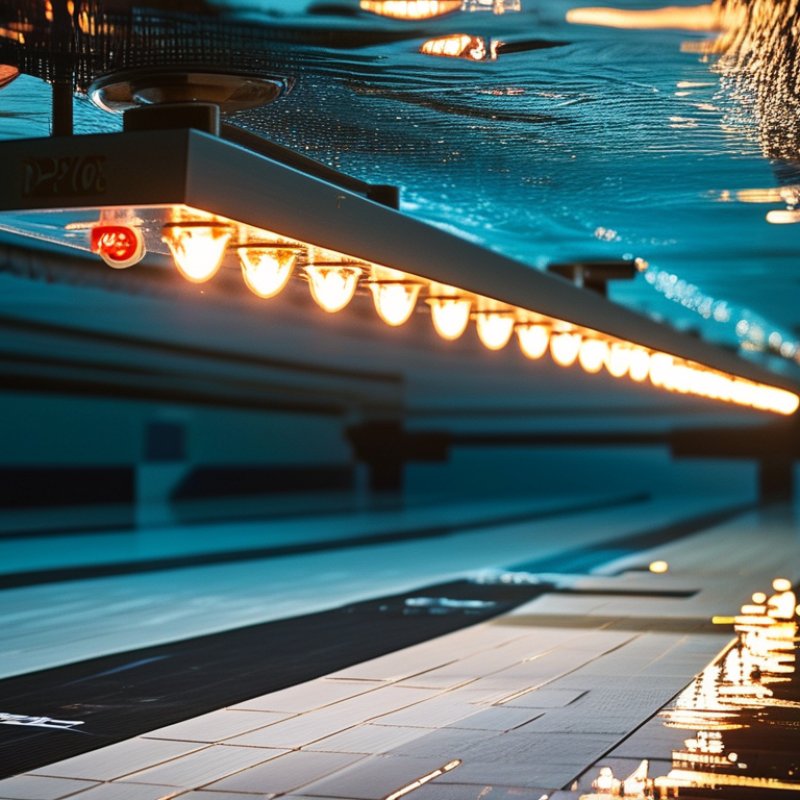
Underwater pool lights play a vital role in enhancing safety and aesthetics in swimming pools. Understanding the voltage standards for these lights is crucial for safe and effective installation. According to the National Electrical Code (NEC), underwater pool lighting generally operates at low voltage, with common standards being 12 or 24 volts. These standards mitigate the risk of electric shock, which is a serious concern for wet environments.
The low-voltage systems enable energy-efficient lighting solutions, minimizing electricity costs. A study by the Association of Pool and Spa Professionals (APSP) indicates that low-voltage LED lights consume around 80% less energy than traditional incandescent lights. This shift not only promotes sustainability but also significantly reduces the heat generated, leading to safer pool conditions.
However, not all underwater lighting fixtures comply with these voltage standards. Manufacturers sometimes display misleading information about their products. It’s essential to verify that your equipment meets safety regulations. Improper voltage can lead to dim lighting or, in worse cases, safety hazards. Regular maintenance and testing ensure that the lights function effectively and according to their voltage standard. Implementing poorly documented products may compromise both safety and performance.
When choosing underwater pool lights, understanding the common voltage ratings is essential. Most pool lighting systems come in three main voltage ratings: 12V, 24V, and 120V. According to industry standards, low-voltage options like 12V and 24V are increasingly popular due to their enhanced safety features. These lower voltages reduce the risk of electrical shock, particularly in wet environments.
A recent report from the National Electrical Manufacturers Association highlights that 12V systems are widely used in residential pools. This is due to their compatibility with various transformer models and ease of installation. However, higher voltages like 120V are often used for larger commercial pools. They provide brighter illumination but require more stringent safety measures and professional installation.
Tips: Always consult a licensed electrician when selecting your pool lights. They can help ensure compliance with local codes. Also, test your lighting system regularly to prevent potential electrical hazards. Regular maintenance can save costs in the long run, even if it feels cumbersome.
This chart illustrates the common voltage ratings used in underwater pool lighting systems, showing the varying number of systems that operate on 12V, 24V, 120V, and 230V standards.
Choosing the right voltage standard for underwater pool lights is crucial. Several key factors influence this decision. First, safety is paramount. Higher voltages can increase risk, especially in wet environments. Understanding local electrical codes is essential. These regulations often dictate the voltage options available for underwater lighting.
Another factor is the power source. Most pools draw electricity from standard household voltage, typically 120V or 240V. However, low-voltage lighting systems, operating at 12V or 24V, are gaining popularity. They offer increased safety and energy efficiency. When planning your pool lighting, consider what voltage best suits your needs.
Tips: Always consult a professional electrician for installation. A qualified expert ensures safety and compliance. Regularly inspect the lights for wear or damage. This can prevent hazards and prolong the lifespan of your system. Assess your lighting needs and adjust voltage accordingly for optimal performance.
When assessing the voltage standards for underwater pool lights, safety comes first. Understanding industry safety standards is crucial. Most underwater lighting systems operate at 12V or 24V. However, it’s essential to follow specific guidelines to ensure safety. According to the National Electrical Code (NEC), proper installation and grounding are vital to avoid electric shock.
The International Electrotechnical Commission (IEC) also sets standards for underwater lighting. Their guidelines emphasize the importance of using low-voltage systems in wet environments. A report by the Pool and Spa Association states that proper lighting can significantly reduce accident risks while enhancing visibility. Following these regulations is essential for safety.
Tips: Always consult a qualified electrician when installing lighting. They can verify that all components meet local regulations. Regular maintenance checks can help identify wear and tear, ensuring lights function safely. Additionally, consider using energy-efficient LED lights to reduce electrical consumption while maintaining safety. Always keep safety equipment nearby for emergencies, especially in pool areas.
When choosing underwater pool lights, voltage standards matter significantly. Industry experts suggest that most pool lights operate at either 12V or 120V. Each of these voltage types serves different purposes and ensures safety in aquatic environments. For residential pools, low-voltage fixtures (12V) are generally preferred. They reduce the risk of electric shock and create a safer ambiance.
Many professionals recommend consulting installation guidelines and local codes. These regulations often dictate which voltage standard suits your specific environment. Understanding the power supply and circuit configuration is crucial. Incorrect voltage could lead to poor performance or operational hazards.
Customers should reflect on their choices regularly. Sometimes, low-voltage lights may seem limiting or inadequate. However, they ensure safety and longevity. Over time, high-voltage options might introduce unforeseen risks. Landscape effects and illumination consistency should also influence your decision. Engaging with knowledgeable professionals can provide further clarity on your unique needs.
| Voltage Standard | Common Usage | Safety Rating | Recommended Transformer | Typical Power Consumption |
|---|---|---|---|---|
| 12V | Low-voltage LED lights | Class 2 | 12V AC Transformer | 10-50 Watts |
| 120V | Standard incandescent lights | Class 1 | 120V AC Transformer | 40-300 Watts |
| 24V | Low-voltage halogen lights | Class 2 | 24V AC Transformer | 20-100 Watts |
| Low-voltage DC | LED pool lights | Class 2 | DC Power Supply | 10-30 Watts |
: Underwater pool lights generally operate at low voltage, with common standards being 12 or 24 volts.
Low voltage reduces the risk of electric shock in wet environments, enhancing safety and aesthetics in pools.
Low-voltage LED lights consume about 80% less energy than traditional incandescent lights, promoting sustainability.
Ensure that your lighting fixtures comply with safety regulations and voltage standards to prevent hazards.
Proper installation and grounding are vital to avoid electric shock and ensure the lights function safely and effectively.
Using incorrect voltage can lead to dim lighting or serious safety hazards in aquatic environments.
Yes, engaging a qualified electrician ensures compliance with local codes and that all components are safe.
Regular maintenance checks can identify wear and tear, ensuring that lights remain safe and functional over time.
Low-voltage lights may seem inadequate, but they are safer and promote longevity compared to high-voltage options.
Consider how illumination consistency and landscape effects will impact your overall pool ambiance when choosing lights.
When considering what voltage are standard underwater pool lights, it is essential to understand the various voltage standards applicable to these lighting systems. Common voltage ratings include low-voltage options like 12V and higher voltage configurations such as 120V or 240V, each serving different applications and safety requirements. Factors influencing the choice of voltage include the size of the pool, installation specifics, and local electrical codes.
Safety standards and regulations play a crucial role in determining the appropriate voltage for underwater lighting. Adhering to these guidelines ensures both the efficiency and safety of the lighting systems. Industry experts often recommend low-voltage options for residential pools to enhance safety while providing adequate lighting. Ultimately, selecting the right voltage standard is vital for optimizing performance and ensuring a secure swimming environment.
