Understanding the lifespan of LED underwater lights is crucial for both enthusiasts and professionals. Bob Smith, a well-known expert in underwater lighting technology, states, "LED lights can last over a decade, but factors can shorten their life." This quote emphasizes the complexity of effectively harnessing LED technology in aquatic environments.
What is the lifespan of an LED underwater light? This question invites exploration into various factors influencing performance. Environmental conditions play a significant role. Water quality, temperature fluctuations, and installation methods can all impact longevity. For instance, corrosion from saltwater can degrade fixtures, while freshwater may allow for longer life.
Maintenance practices are also vital. Regularly cleaning and checking for wear can make a big difference. Some lights may claim a lifespan of 50,000 hours, but without proper care, this potential may not be realized. Understanding these nuances can lead to better decision-making, maximizing both efficiency and lifespan. Embracing these elements will prepare users for the challenges and benefits of LED underwater lighting effectively.
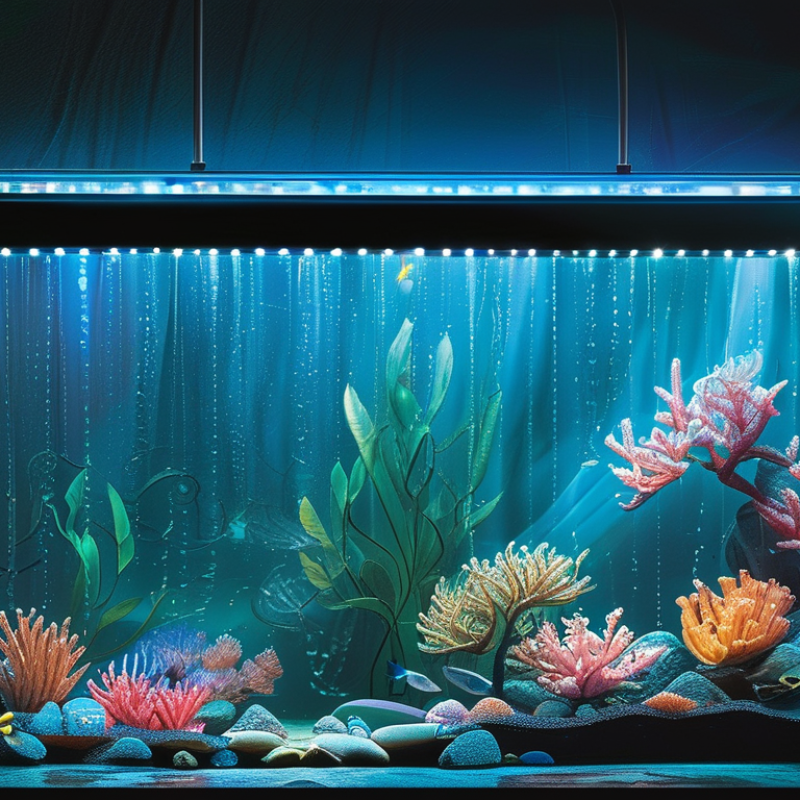
When considering the lifespan of LED underwater lights, several factors come into play. The quality of the materials used directly impacts how long these lights will last. For instance, high-grade aluminum housings can resist corrosion and prevent wear. However, cheaper materials may degrade quickly in harsh underwater environments. Saltwater exposure can exacerbate this issue. Frequent maintenance checks often reveal the need for replacements earlier than expected.
The light's operating temperature is another crucial factor. If an LED underwater light operates in excessively high temperatures, its lifespan significantly decreases. Additionally, continuous use without breaks can lead to overheating. Proper installation plays an essential role as well. Secure seals and mounts ensure that water does not seep in. Insufficiently sealed lights can short circuit, resulting in premature failure.
Lastly, energy efficiency affects performance. LED lights consume less power and generate less heat compared to other types. Over time, this efficiency contributes to a longer lifespan. Regularly monitoring energy usage can help identify potential issues early on. By understanding these factors, users can make informed decisions on the maintenance and setup of their LED underwater lighting systems.
LED underwater lights are increasingly popular in decorative and functional applications. Their lifespan depends significantly on the type of light used. Common types include submersible, dock, and landscape lighting. Each type has unique durability characteristics that can impact their longevity.
Submersible LED lights are designed for direct water immersion. They can last up to 50,000 hours, according to industry reports. However, the environment matters. Exposure to harsh chemicals or saltwater can shorten their lifespan significantly. On the other hand, dock lights often use materials resistant to corrosion. They generally maintain a lifespan of around 30,000 to 40,000 hours, even in challenging environments.
Landscape lighting, while popular, has variable durability. These lights are often not rated for full immersion. They tend to last between 10,000 and 20,000 hours. This disparity underscores the need to choose the right type for your specific application. It's crucial to consider factors like water salinity and installation depth. Not all lights perform equally, and poor choices can lead to frequent replacements. Such factors merit careful thought and planning.
LED underwater lights can greatly enhance the beauty of ponds and pools. However, their lifespan can be affected by several factors. Regular maintenance is crucial to ensure they last longer. One key aspect is to regularly clean the lights. Debris and algae can build up and reduce performance. Remove any buildup gently to prevent damage.
Temperature fluctuations can also impact LED lights. They work best in stable conditions. Ensure the installation is protected from extreme weather. This could mean placing them deeper or using protective coverings. Check connections frequently for signs of corrosion. Poor connections can lead to failure over time.
Another area to consider is the duration of usage. Using LED lights for extended periods without breaks can lead to overheating. Try to set timers to optimize usage. Monitor the lights for any flickering or dimness. These could be early signs that maintenance is needed. Adjusting practices and staying attentive will contribute to longer-lasting underwater lighting.
When considering the longevity of LED underwater lights, environmental conditions play a crucial role. Temperature variations significantly affect their lifespan. Studies indicate that extreme temperatures, both hot and cold, can reduce the efficiency of LED components. For instance, LEDs operating at temperatures above 85°C can experience a drop in lumens and an increase in failure rates. Conversely, frequent exposure to freezing temperatures can lead to brittle materials and early burnout.
Water quality is another determining factor. Salinity, pH levels, and turbidity can degrade materials used in LED lights. High salinity environments, such as saltwater, pose a risk of corrosion. One report suggests that up to 50% of LED failures in marine environments can be attributed to corrosion and damage caused by hostile water conditions. Moreover, UV exposure, particularly in shallow waters, can deteriorate the protective casing and significantly shorten the operational lifespan.
Regular maintenance is also essential. Clean and inspect fixtures to prevent buildup of biofouling, which can impede light output. Neglecting these factors can lead to unexpected outages. An expert study highlights that proper care can extend the lifespan of these lights by as much as 30%. Understanding your specific environmental challenges can help in making informed decisions for installation and maintenance.
Understanding when to replace LED underwater lights is essential for maintaining safety and aesthetics. There are key signs that indicate a replacement may be necessary. One major sign is flickering or dimming lights. This can suggest an electrical issue or degradation of the LED components. Reports indicate that LEDs typically last between 15,000 to 25,000 hours, but factors like water exposure and corrosion can dramatically affect this lifespan.
Another sign to watch for is unusual color changes in the light output. If lights shift from bright white to a yellow hue, it may mean that the bulbs are failing. According to industry analysis, color shifts can signify that the phosphor coating inside the LED is breaking down. Additionally, if you notice any visible signs of damage, such as cracks in the casing or water intrusion, it's crucial to consider a replacement. These issues not only compromise the performance of the lights but also pose safety hazards.
Regular maintenance checks can help in identifying these signs early. Keeping records of light performance can assist in troubleshooting problems and determining when a replacement is needed. Ensuring optimal lighting conditions in underwater settings contributes to both safety and enjoyment of aquatic environments.
This chart illustrates the typical lifespan of LED underwater lights based on various usage patterns and environmental conditions. It also highlights signs that indicate when these lights need replacement.
: High-grade aluminum housings resist corrosion and wear better than cheaper materials.
Excessively high temperatures can significantly reduce LED lifespan. Continuous use without breaks can lead to overheating.
Secure seals and mounts prevent water from seeping in. Insufficient sealing can cause short circuits and failure.
LED lights consume less power and generate less heat, contributing to a longer lifespan over time.
Regular cleaning of lights prevents debris buildup. Monitor connections for corrosion as well.
LED lights perform better in stable conditions. Protecting them from extreme weather is crucial.
Flickering or dimming lights suggest electrical issues or component degradation.
If the lights shift to a yellow hue, this may indicate failing bulbs or degraded phosphor coating.
Cracks in the casing or water intrusion are signs that replacement is needed for safety.
Checking lights regularly helps identify issues early and ensures optimal lighting conditions for safety.
Understanding what is the lifespan of an LED underwater light is crucial for ensuring optimal performance and longevity. Several factors influence this lifespan, including the quality of materials, the type of LED technology used, and the specific environmental conditions such as water temperature and salinity. Common types of LED underwater lights vary in durability, with some designed explicitly for harsh aquatic environments.
To extend the lifespan of these lights, regular maintenance is essential. This includes cleaning to prevent algae buildup and checking for any electrical issues. Additionally, being aware of environmental impacts, such as exposure to chlorinated water or extreme temperatures, can significantly affect the longevity of the lights. Finally, recognizing signs that indicate the need for replacement, such as flickering or diminished brightness, can help maintain safety and efficiency in underwater lighting setups.
