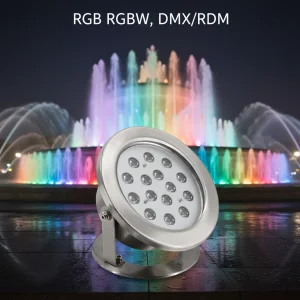
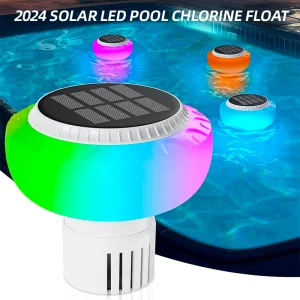
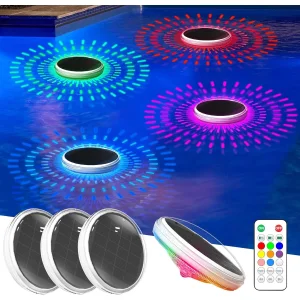
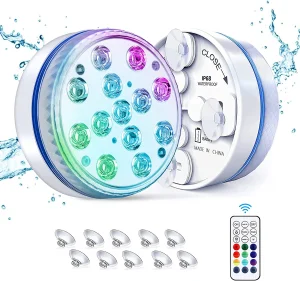
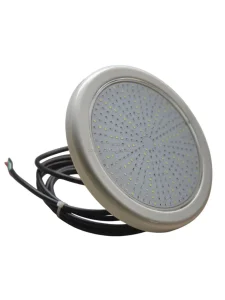
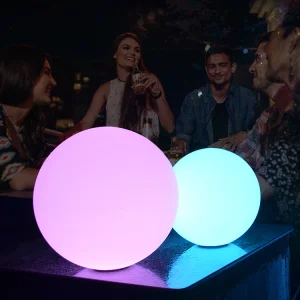
High-durability, CE-certified aquatic and landscape luminaires engineered for extreme weather, heavy commercial usage, and high-fidelity lighting integration.

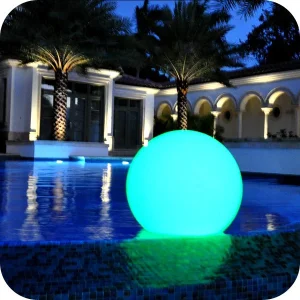
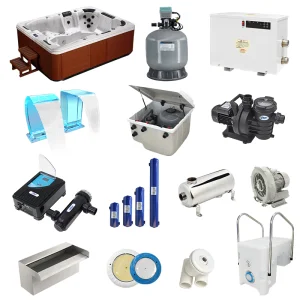
Shenzhen Alter Light Co., Ltd. stands as a premier global benchmark in the specialized aquatic and swimming pool lighting industry. Far beyond a standardized production plant, we operate as a high-technology, innovation-driven enterprise. Our focus integrates mechanical engineering, advanced material science, and intelligent network connectivity to deliver state-of-the-art underwater light fixtures.
Guided by a strict engineering philosophy, our in-house R&D and Quality Assurance departments ensure that every luminaire meets and exceeds European CE, RoHS, and global safety directives. Our core mission is the seamless merging of aesthetic architectural integration, robust energy optimization, and unmatched structural sealing.
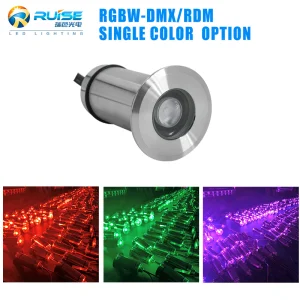
By integrating smart connectivity, Alter Light has pioneered advanced synchronous color control systems—specifically including low-loss 2-wire setups and complex DMX512 networks. This enables master systems to choreograph high-density lighting landscapes, transforming public and private pool architectures into vibrant, dynamic visual assets.
From upscale residential developments in North America to luxury hospitality resorts in Southern Europe, the Middle East, and Asia-Pacific, our systems are deployed globally, showcasing long-term operational resilience.
We accommodate specialized procurement frameworks, private labeling projects, custom CNC casing variations, and structural adaptations. Our flexible manufacturing setup is tailored to support global distributor and contractor specifications.
Unlocking technological synergy, supply chain density, and high-precision testing paradigms for international engineering procurers.
Shenzhen and the Pearl River Delta offer an unmatched network of raw component suppliers. This localized ecosystem guarantees immediate access to premium materials, such as marine-grade 316L stainless steel, high-purity thermal conductive aluminum alloys, and optical-grade tempered glass, minimizing procurement lead times.
By housing R&D alongside localized IC packaging units, Chinese lighting factories integrate high-CRI, high-efficiency LEDs (e.g., CREE, Osram, Epistar chips) with sophisticated constant-current drivers. This prevents chromatic aberration, limits lumen depreciation, and ensures seamless DMX512 color mixing.
Leading suppliers systematically maintain ISO 9001 certifications. Advanced safety engineering processes guarantee compliance with Europe’s Low Voltage Directive (LVD) and Electromagnetic Compatibility (EMC) standards, leading to authentic CE and RoHS markings.
How new regulations, smart protocols, and environmental standards are driving the evolution of specialized project solutions.
Modern designs require deep integration with smart home and building management systems (BMS). The transition from standard analog switches to DMX512/RDM, Wi-Fi, and Zigbee allows real-time lighting management, dynamic architectural displays, and automated energy monitoring.
Sustainability initiatives are accelerating the adoption of low-voltage (12V/24V) systems and solar-rechargeable hybrid technologies. These solutions reduce electricity demand and lower execution costs while ensuring high safety levels for swimmers.
Architectural projects increasingly demand materials capable of resisting chlorine corrosion, high salt levels, and UV exposure. Using CNC-milled 316L stainless steel, specialty ABS polymers, and anti-aging silicone gaskets has become the industry standard for preventing moisture ingress.
Moving beyond static monochrome lighting, projects now demand tunable whites and RGBW spectrums. By optimizing the color rendering index (CRI > 85) and integrating precise optical lenses, designers can accurately illuminate pool surfaces and landscape features.
Adapting advanced engineering to meet specific, real-world project challenges across diverse environmental contexts.
Commercial settings require 24/7 reliability, aesthetic luxury, and robust central control systems. Low-voltage, DMX-controlled stainless steel fixtures allow operators to synchronize pool lighting with ambient music, match corporate brand palettes, and automate schedules to minimize maintenance overheads.
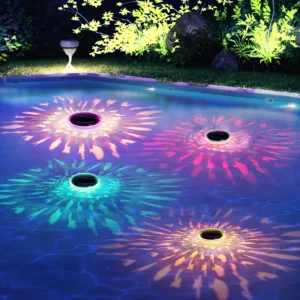
Key Requirement: DMX512 + Marine-Grade 316 Stainless SteelFor remote locations, off-grid developments, or green projects, routing extensive high-voltage wiring is cost-prohibitive. Self-contained solar floating luminaires, featuring high-efficiency PV panels, waterproof housings, and automatic light-sensitive switches, offer safe, zero-emission lighting options.
Key Requirement: IP68 Protection + Integrated Solar Energy HarvestPublic spaces require maximum safety and physical durability against vandalism and heavy foot traffic. Flush-recessed ground and pool fittings, engineered with impact-resistant tempered glass and high weight-load tolerances, prevent tripping hazards while ensuring clean water flow and dynamic lighting.
Key Requirement: CE LVD/EMC + High IK Impact RatingsHigh-end residential installations focus on visual comfort, glare reduction, and smart integration. Dimmable low-voltage LED wall lights, nicheless retrofits, and warm-white pond lights highlight architectural details without cluttering the pool basin.
Key Requirement: High CRI (>80) + Compact Nicheless HousingsCritical engineering metrics, standards, and tests that procurement managers must enforce when vetting manufacturers.
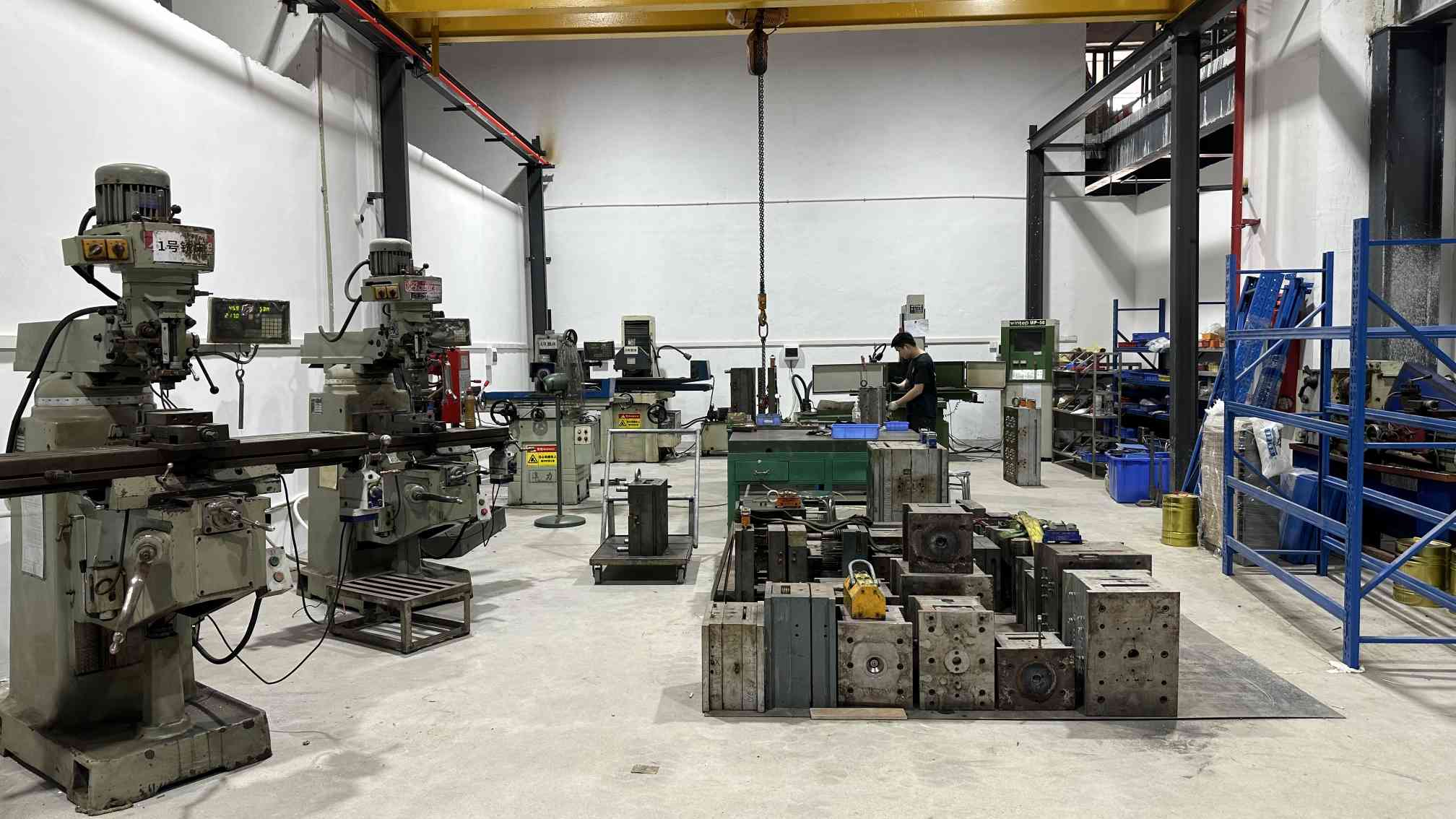
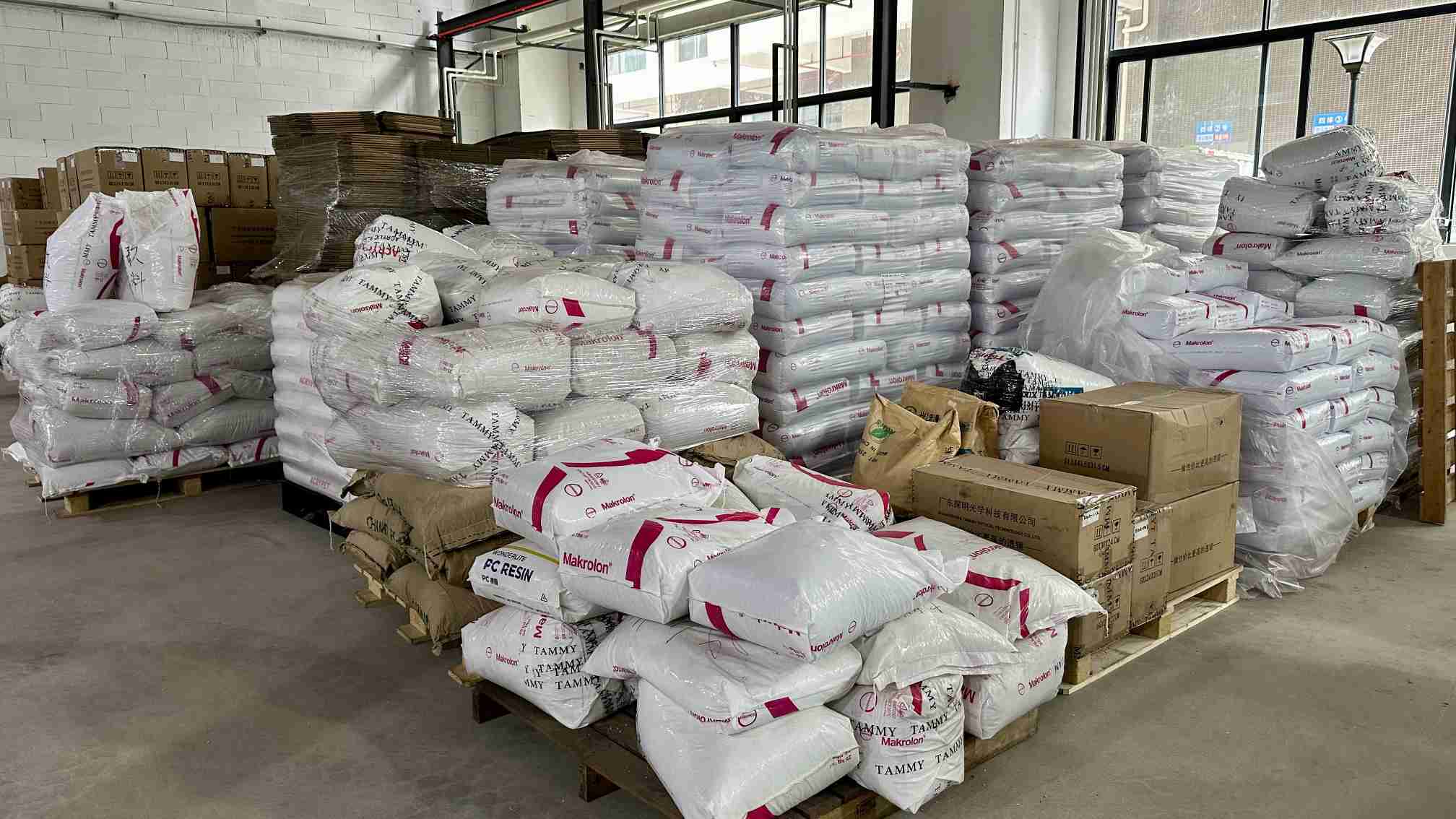
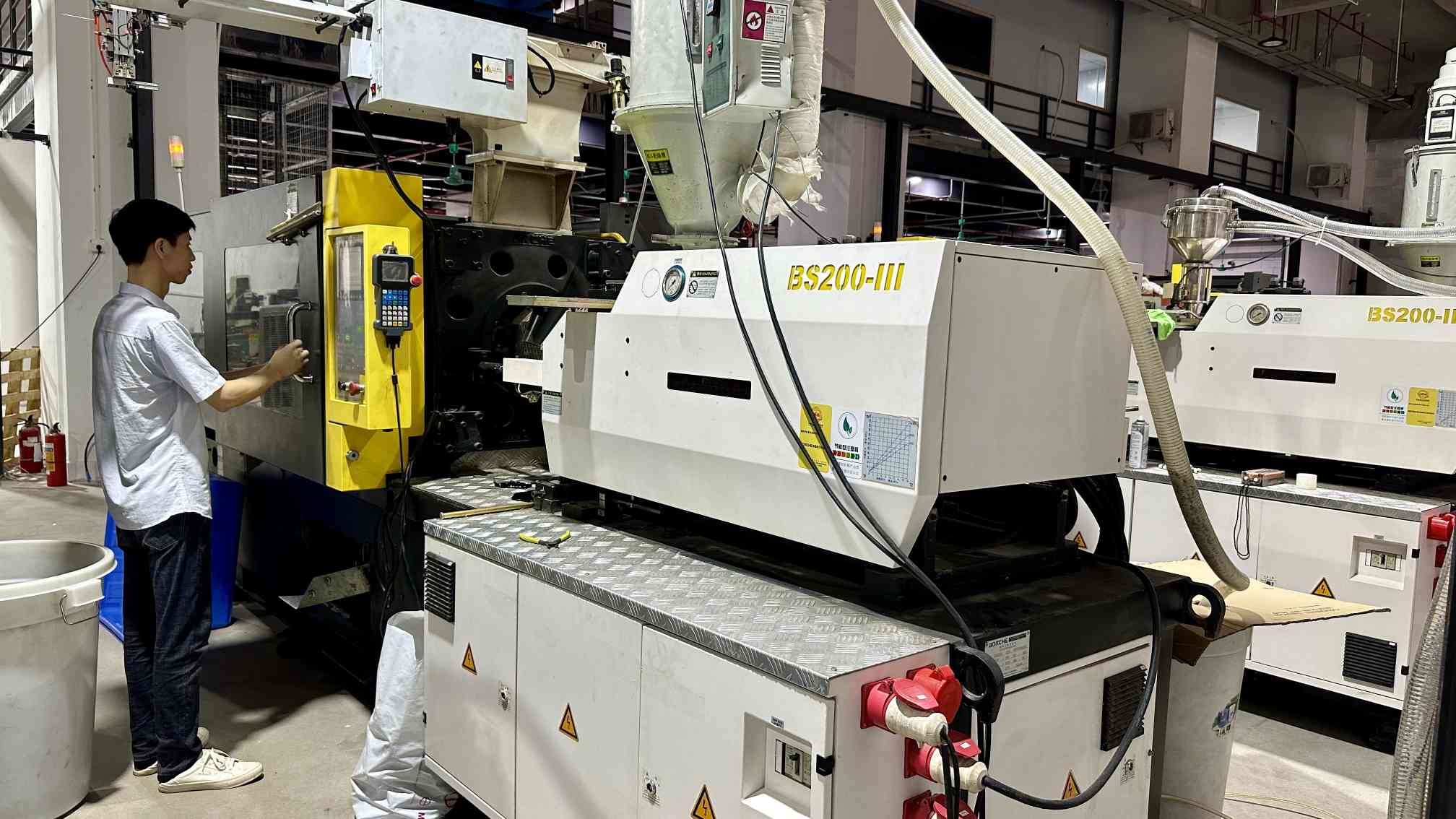
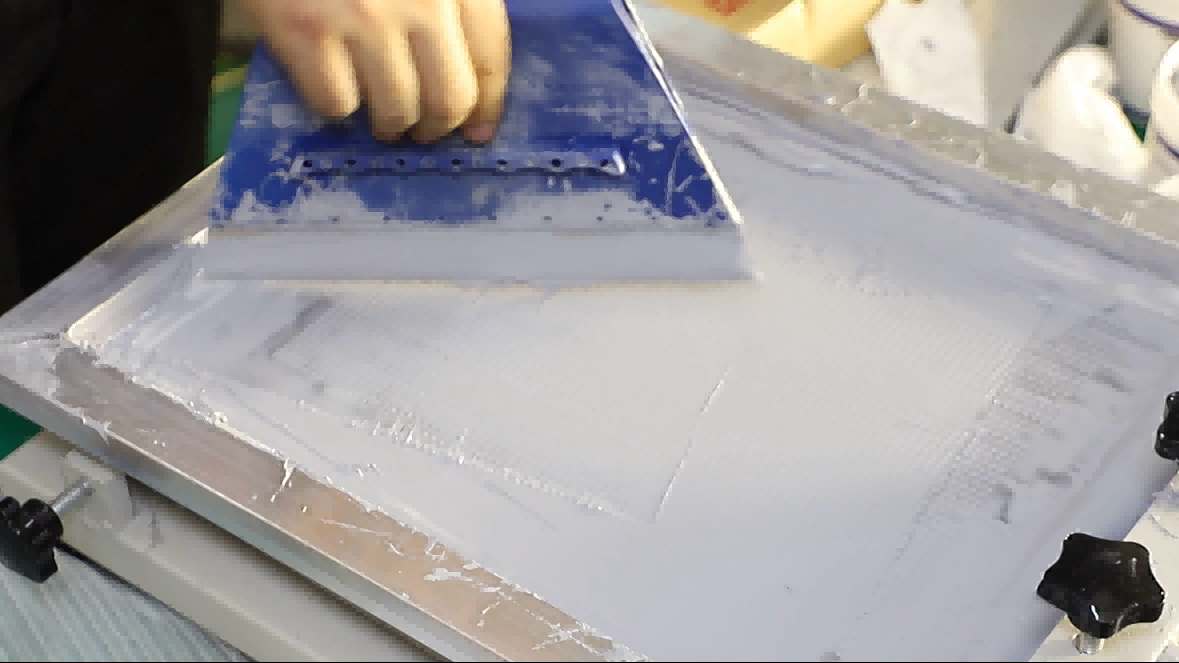
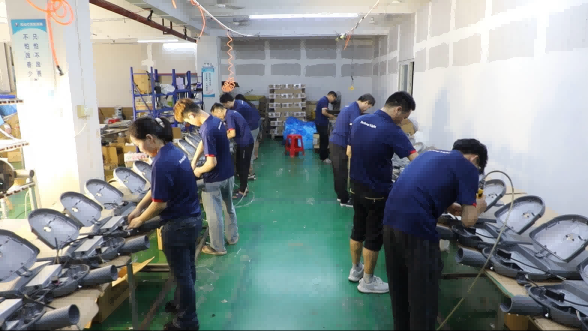
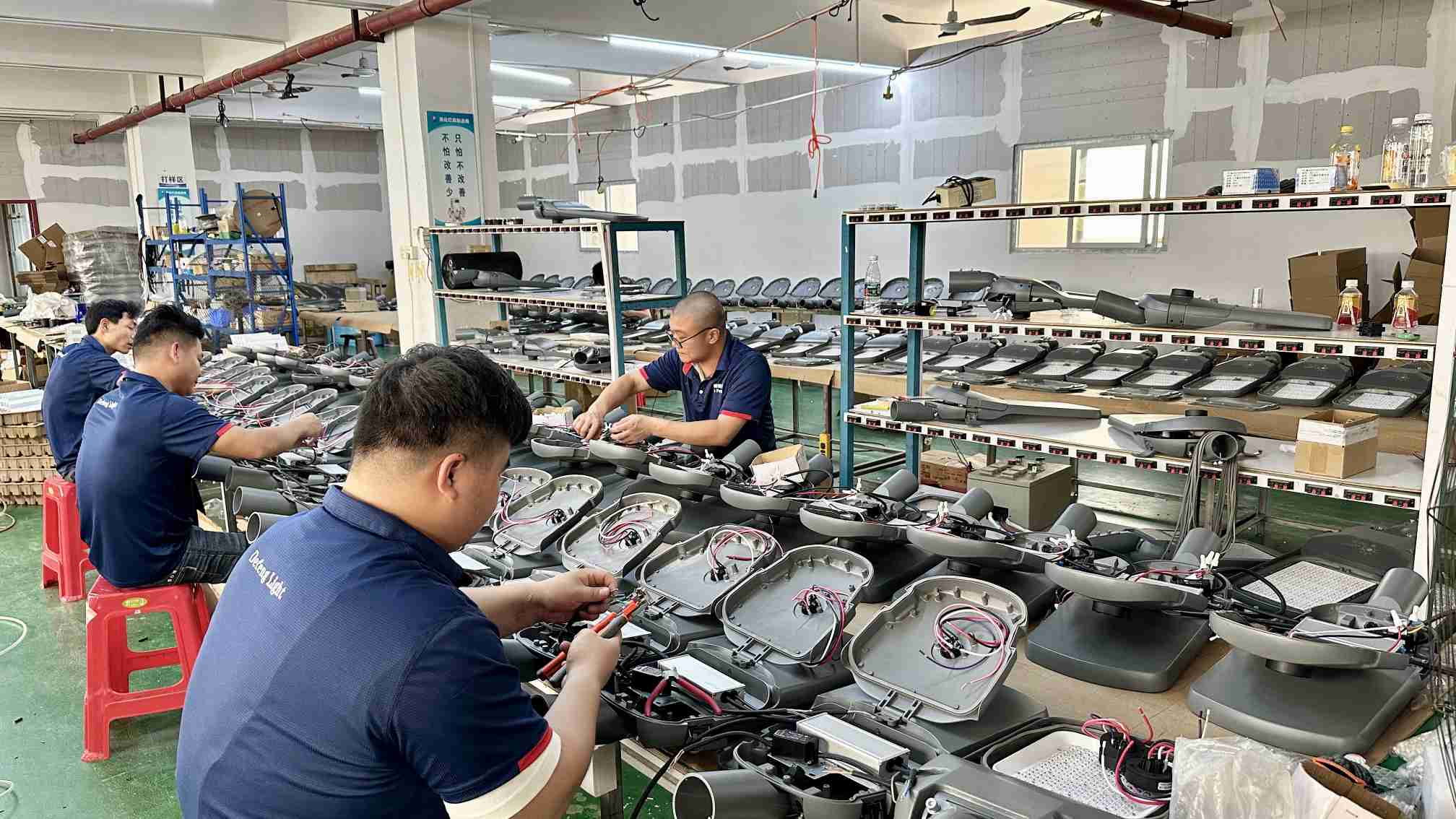
Transparent visual documentation of our step-by-step quality control, precision machining, and assembly ecosystem.
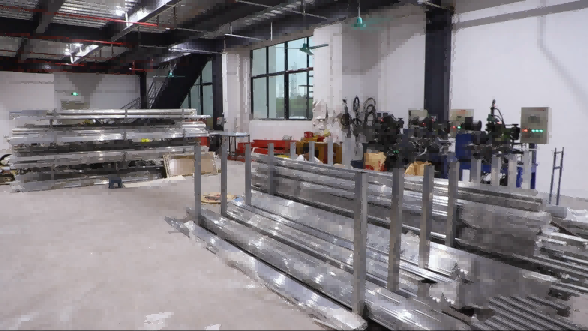
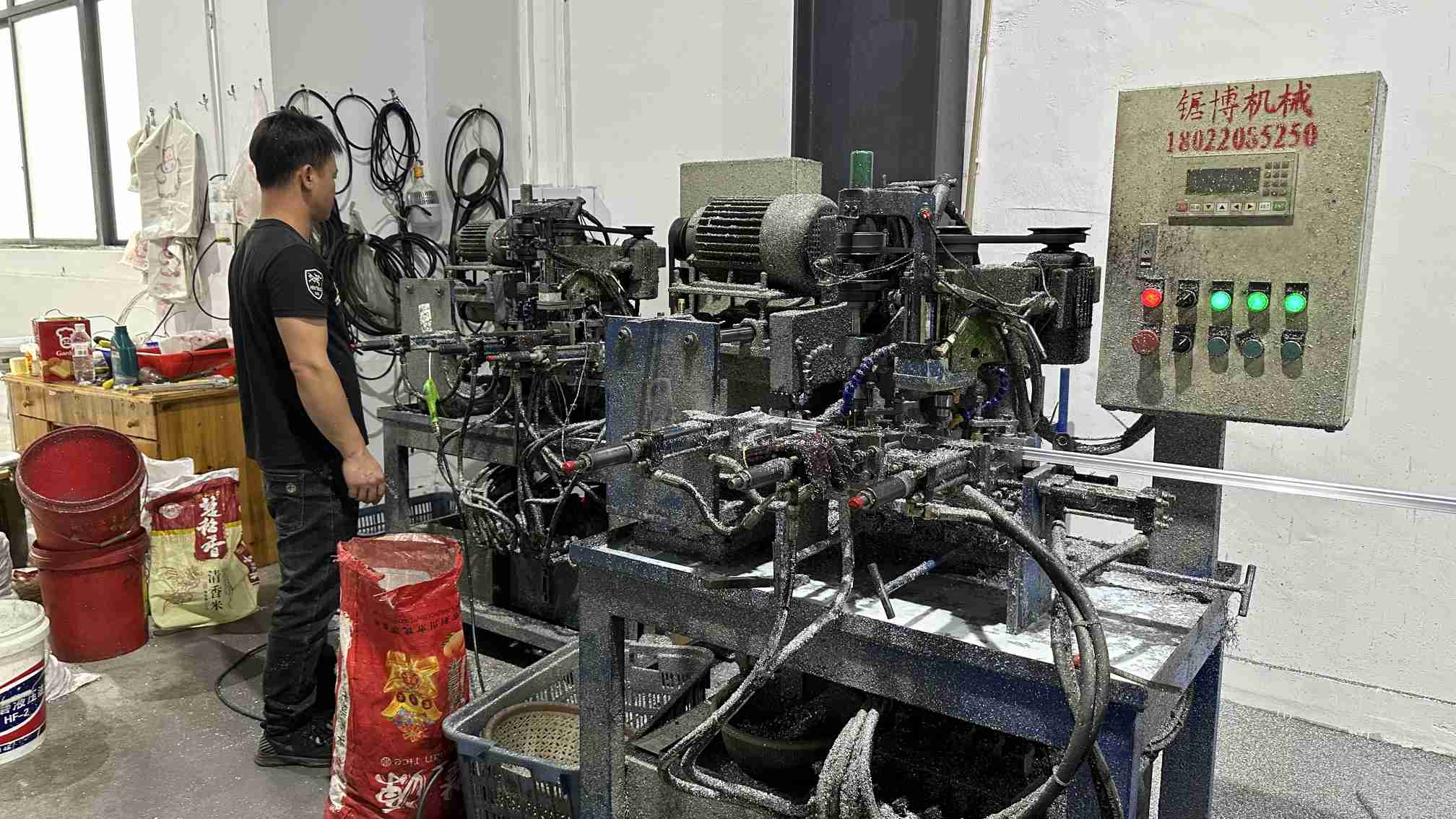
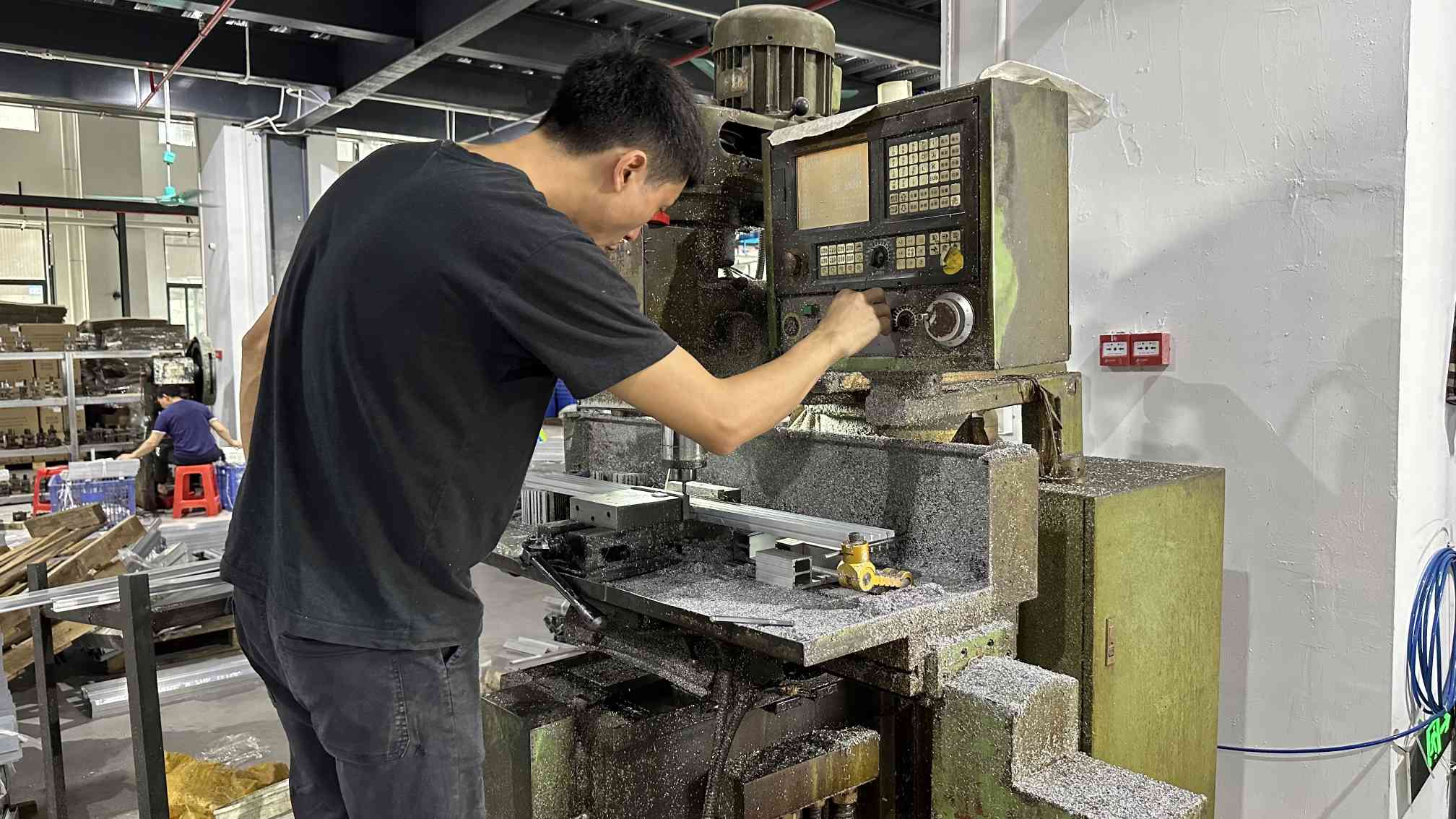
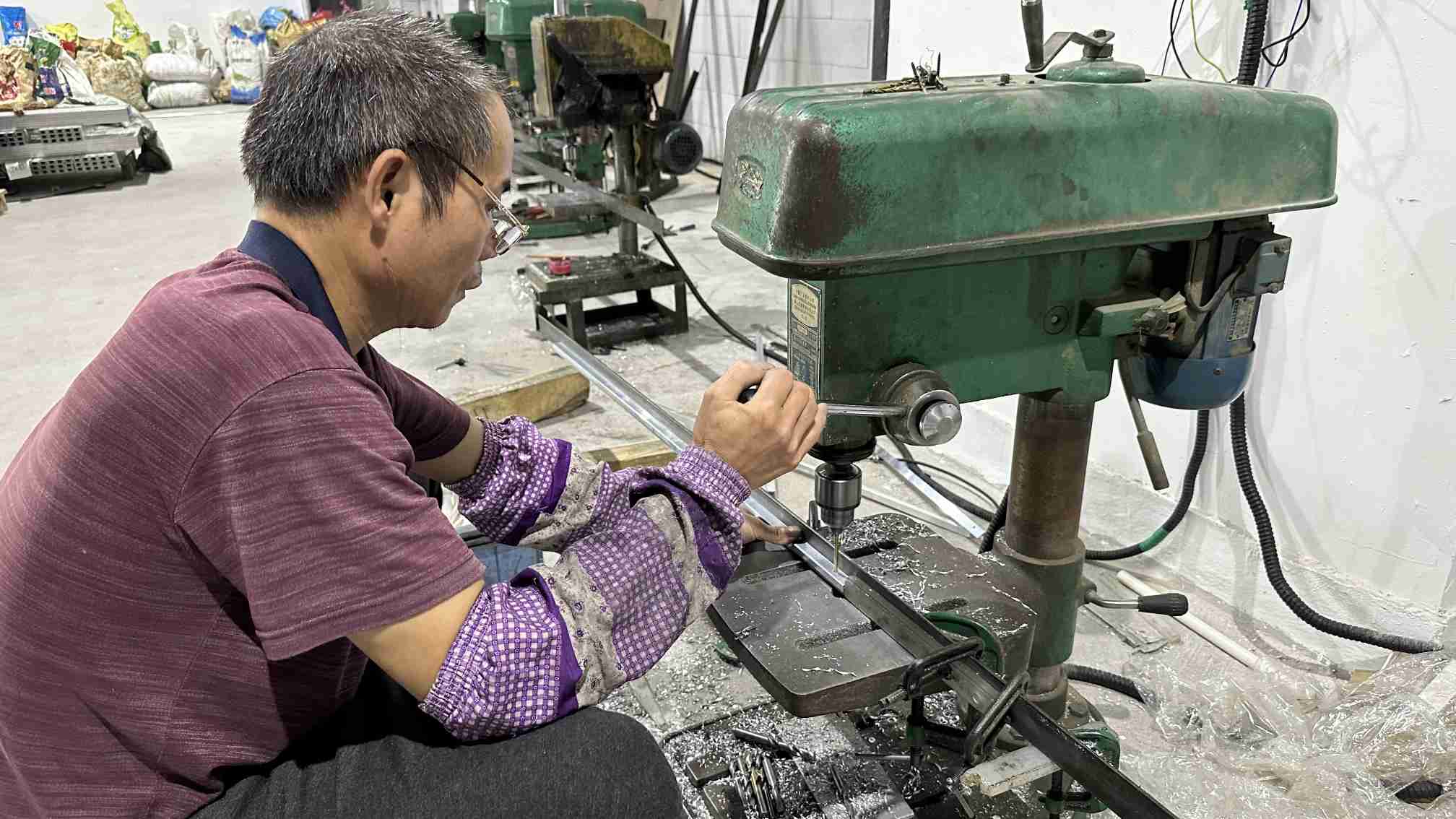
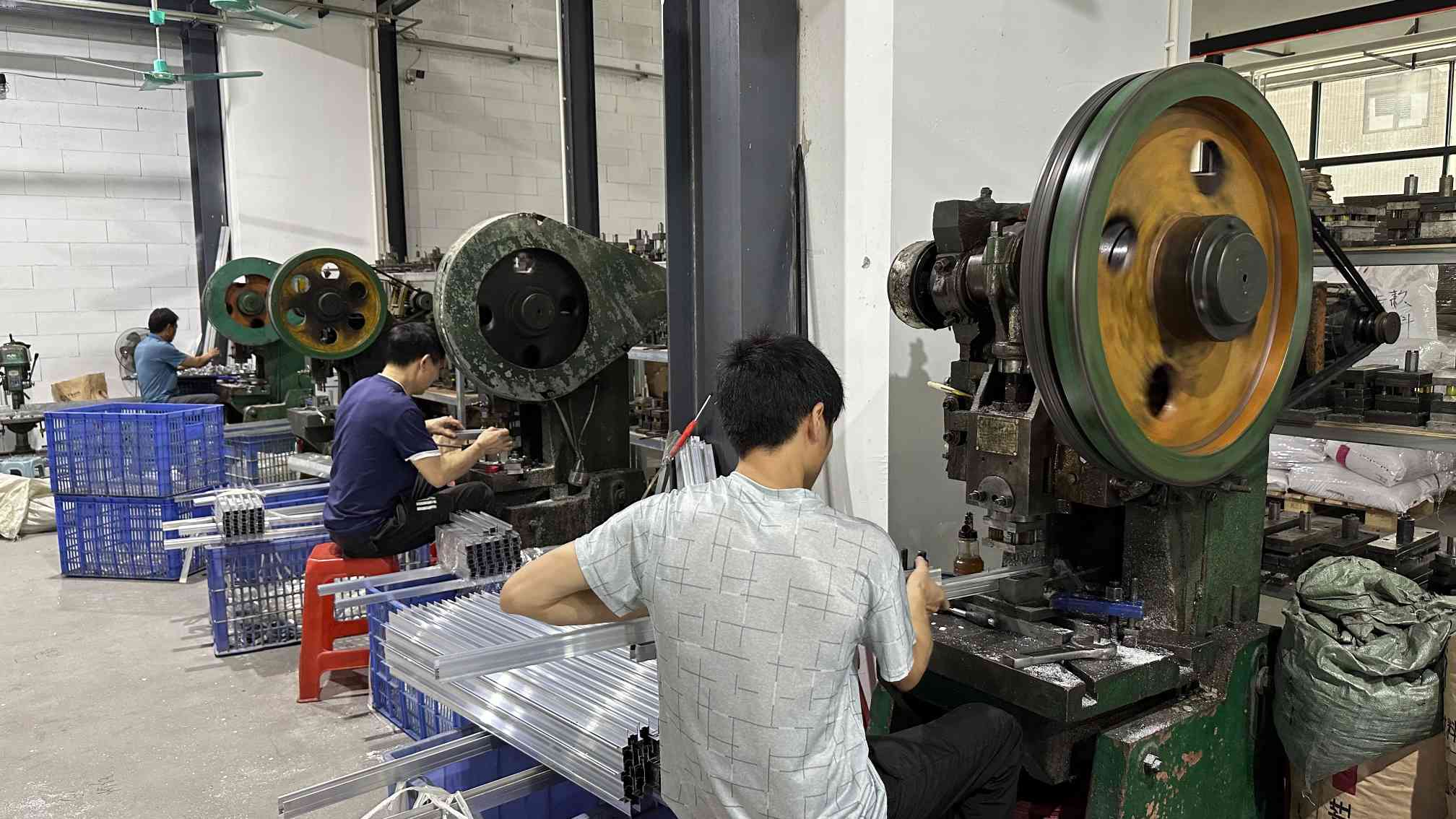
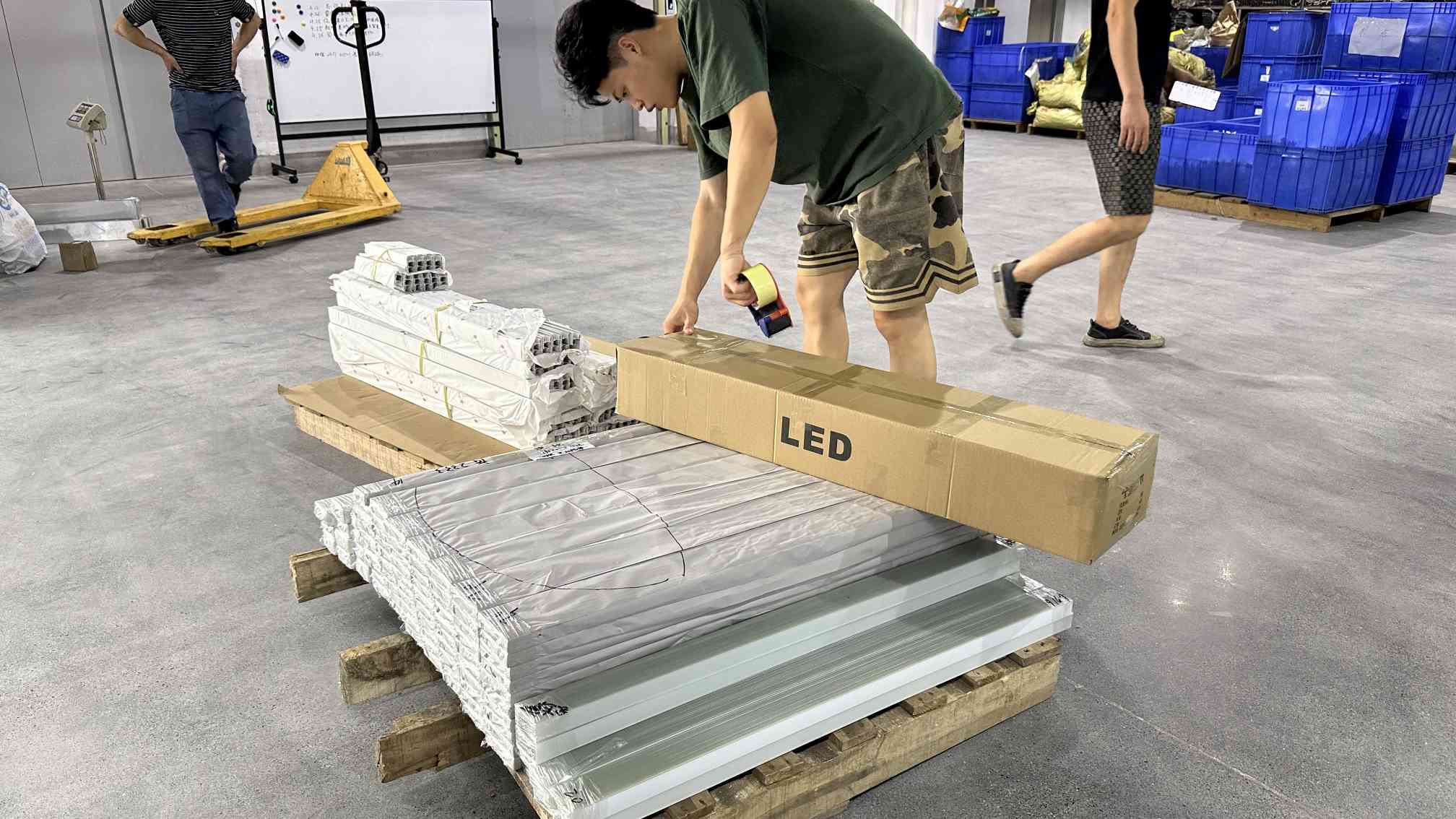
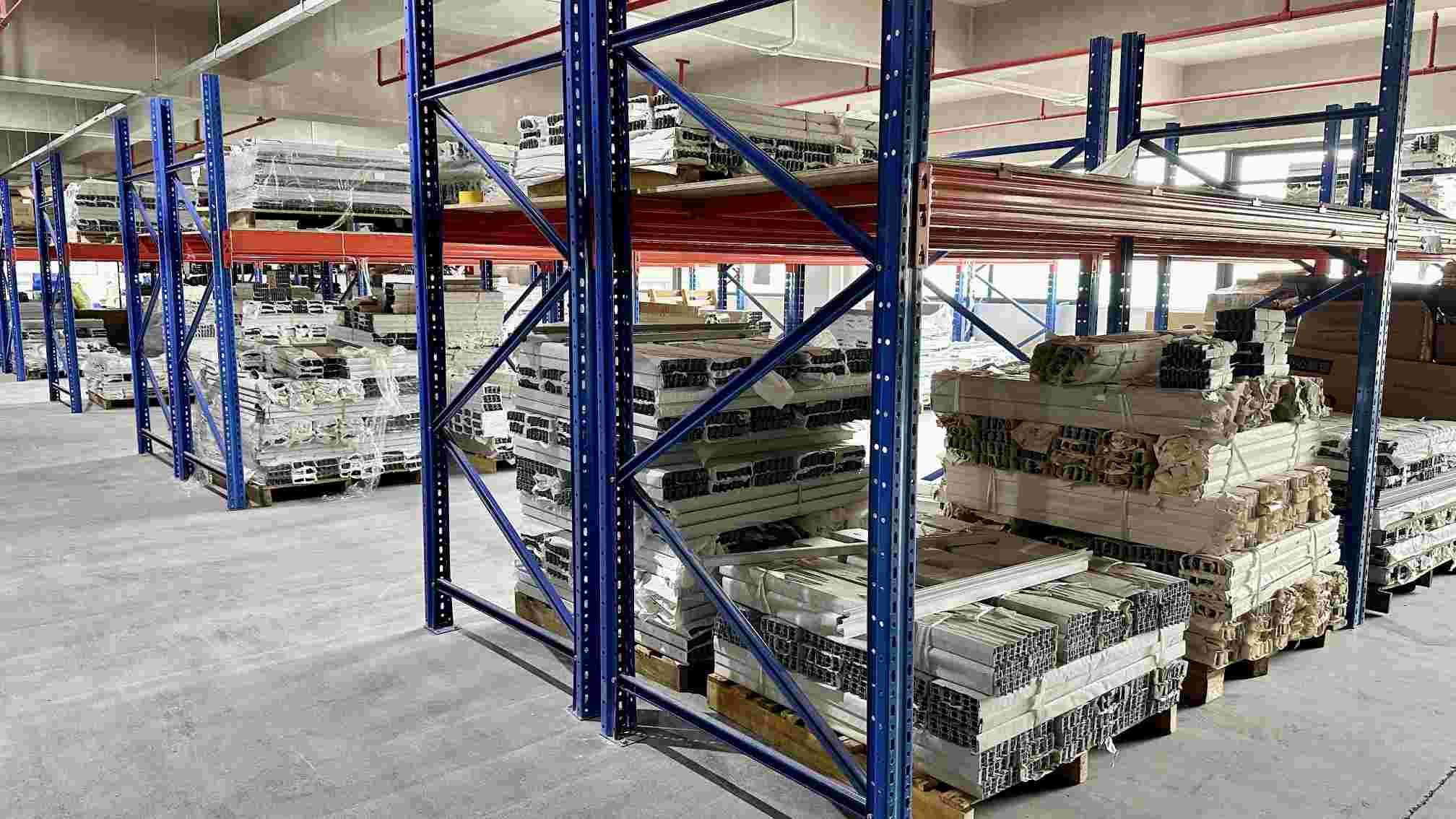
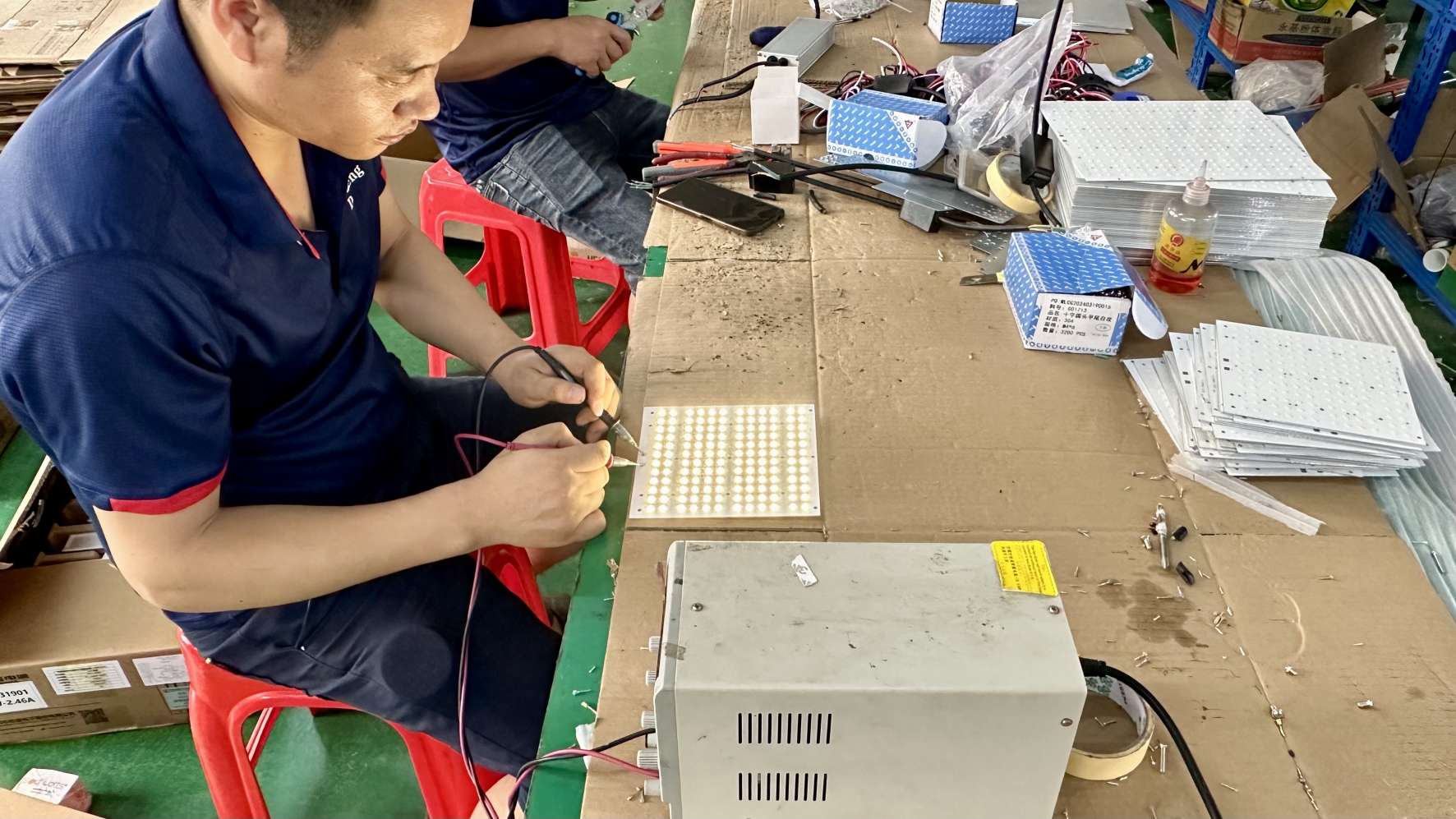
Explore our collection of high-durability, CE-certified aquatic and landscape luminaires.
Resolving common installation, regulatory, and electrical challenges faced by project designers and engineers.