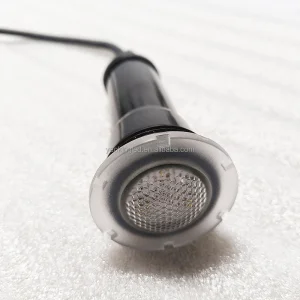
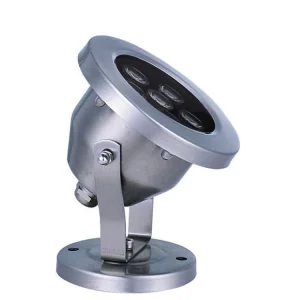
Engineered for compliance with safety standards and demanding environmental profiles, these units represent our top-tier export configurations deployed across high-profile developments in Nairobi, Mombasa, and regional East African hubs.
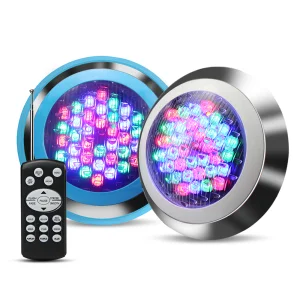
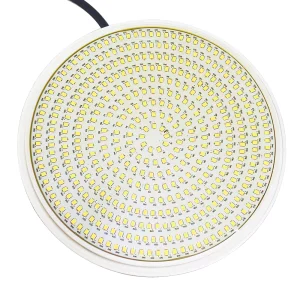
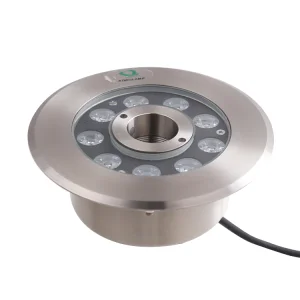
Kenya is established as the economic, financial, and transport hub of East Africa. In recent years, urban regeneration programs in Nairobi alongside luxury resort expansions in coastal zones like Diani, Malindi, and Mombasa have triggered a massive surge in demand for commercial-grade, highly durable outdoor and underwater architectural lighting.
Traditional lighting methodologies are rapidly being replaced by energy-efficient, long-lifespan LED systems. High local utility tariffs (monitored closely under Kenya Power and Lighting Company - KPLC guidelines) have shifted the focus of regional developers toward maximizing Lumens per Watt. Additionally, municipal and national green-building frameworks increasingly incentivize solar-tied systems and low-voltage underwater fittings (12V/24V) to balance safety, environmental metrics, and operating overheads.
When executing electrical engineering layouts for high-salinity coastal areas like Mombasa, procurement managers face unique challenges. Tropical maritime climates accelerate the deterioration of low-grade alloys. Thus, specifying recessed pool lights featuring Marine-Grade 316 Stainless Steel, advanced thermo-plastic polymers, and high-integrity IP68 resin-sealing has transitioned from an optional upgrade to a mandatory engineering standard.
International exporters serving the Kenyan market must navigate specific compliance guidelines to facilitate smooth customs clearance through the Port of Mombasa or Jomo Kenyatta International Airport (JKIA). The Kenya Bureau of Standards (KEBS) implements strict Pre-Export Verification of Conformity (PVoC) parameters.
Our export-grade recessed underwater light lines undergo rigorous testing protocols to comply with CB Certificates, CE Marking, and RoHS Directives. This guarantees that pool contractors, MEP (Mechanical, Electrical, Plumbing) consultants, and municipal developers receive units that satisfy local safety inspections without delay.
A track record of engineering precision, rigorous quality control, and streamlined global logistics logistics ensuring zero downtime for your projects.
To withstand chemical sanitizers, variable electrical grids, and tropical temperatures, underwater luminaire engineering must be flawless.
As a premier manufacturer supplying recessed pool lights to exporters serving Kenya, our engineering philosophy is built on four pillars of product integrity:
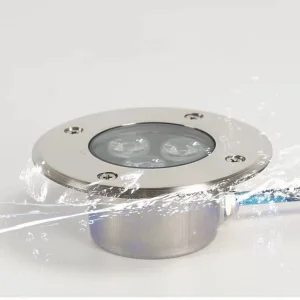
Traditional gasketed pool fixtures often fail due to expansion and contraction caused by temperature fluctuations. Our lights utilize a state-of-the-art resin-filled sealing mechanism. By completely encapsulating the interior SMD LED driver board in high-transparency polyurethane resin, water ingress is physically impossible, even if the outer lens structure is damaged. This represents the pinnacle of IP68 protection.
LED lifespan is inversely proportional to operating temperature. In tropical regions like East Africa, pool ambient temperatures can regularly exceed 30°C. Alter Light fixtures incorporate heavy-duty marine-grade aluminum or SUS 316 external housings that serve as passive heatsinks. This ensures heat is rapidly drawn away from the diodes, maintaining Tj (Junction Temperature) well below the degradation threshold.
Unstable power lines represent a common threat to delicate electronics in developing industrial markets. Our product lines run on standardized 12V AC/DC or 24V DC low-voltage configurations. This not only guarantees human safety in the water but also allows for the integration of localized step-down transformers and surge protection modules to safeguard the lighting installation against sudden voltage drops or power surges.
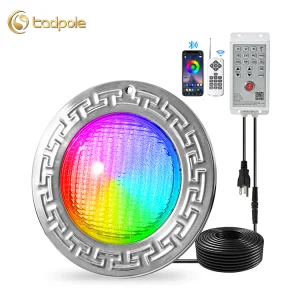
Whether deploying cool white 6000K arrays for high-visibility athletic pools or dynamic RGB/RGBW color-changing fixtures for high-end luxury resorts, our optical lenses offer optimized beam angles (from 15° to 120°) to prevent glare and maximize light distribution. We support control protocols from basic RF wireless remotes to sophisticated DMX512 wired configurations, allowing centralized automation via modern Smart Home or Building Management Systems (BMS).
Explore our end-to-end production ecosystem. By keeping R&D, tooling, molding, and testing under one roof, we achieve unparalleled quality control and cost efficiency.
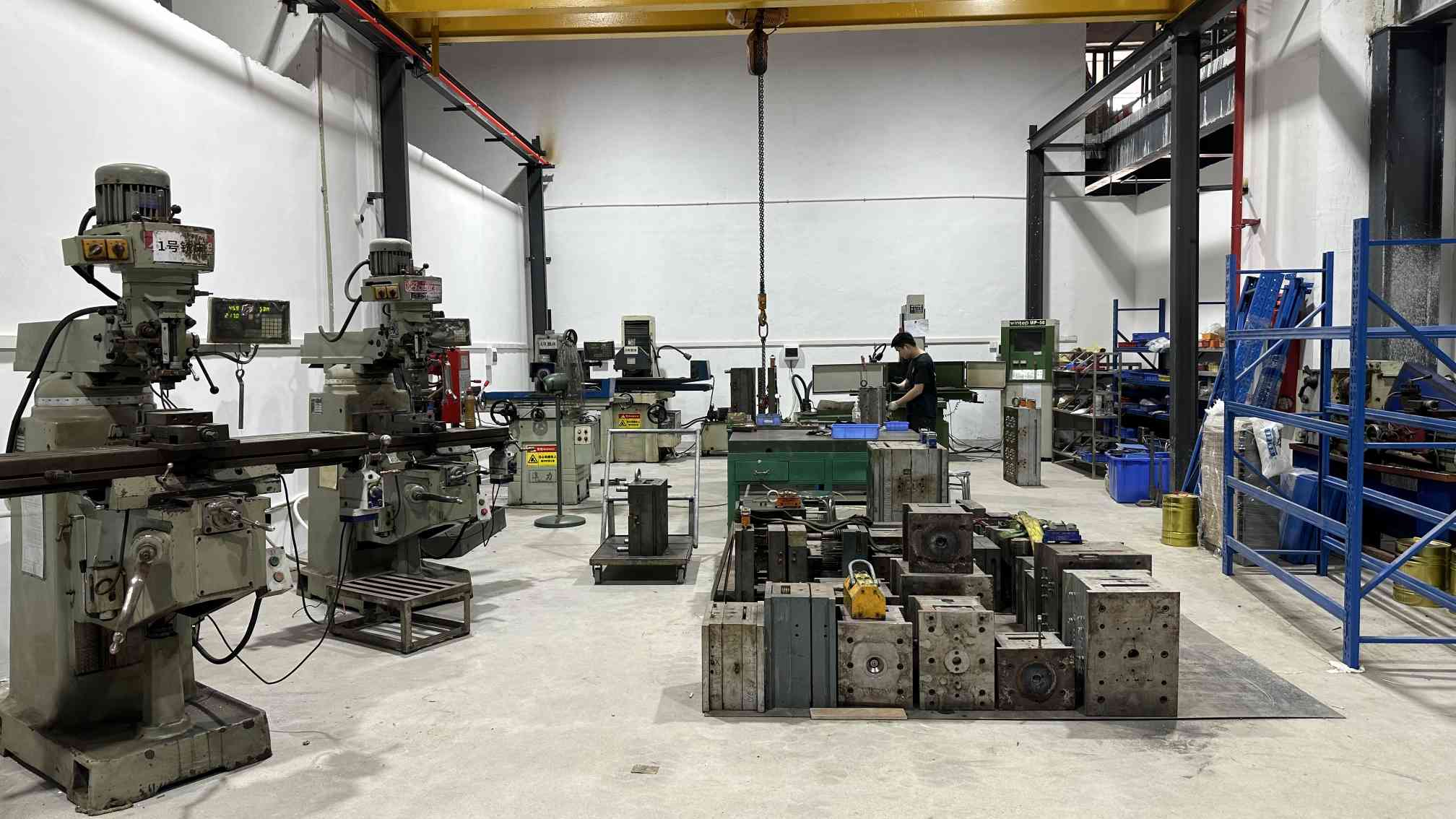

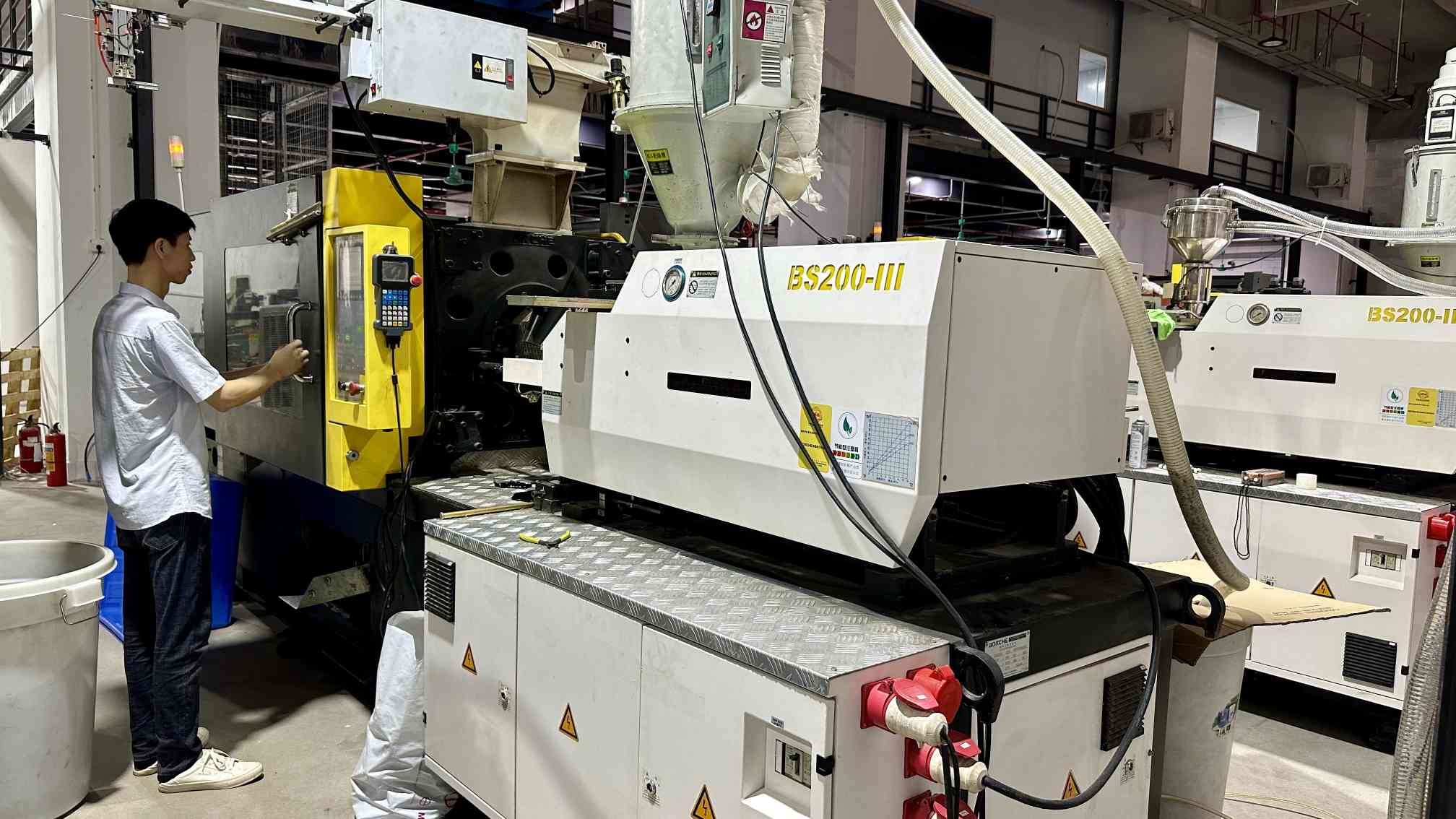
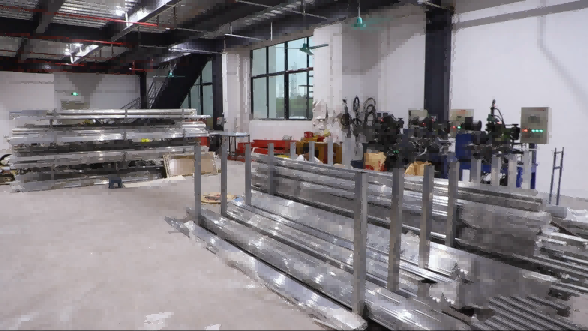
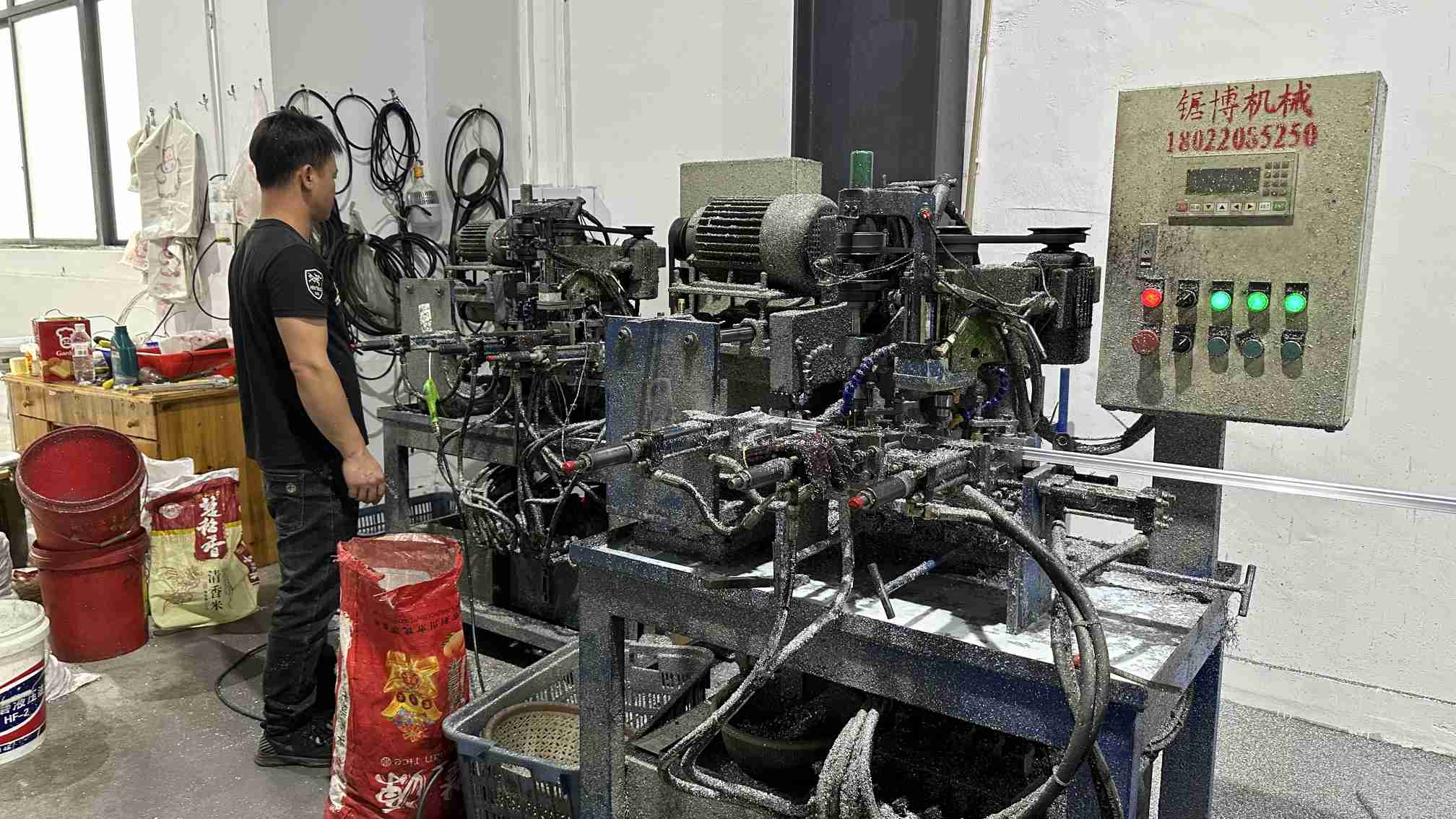
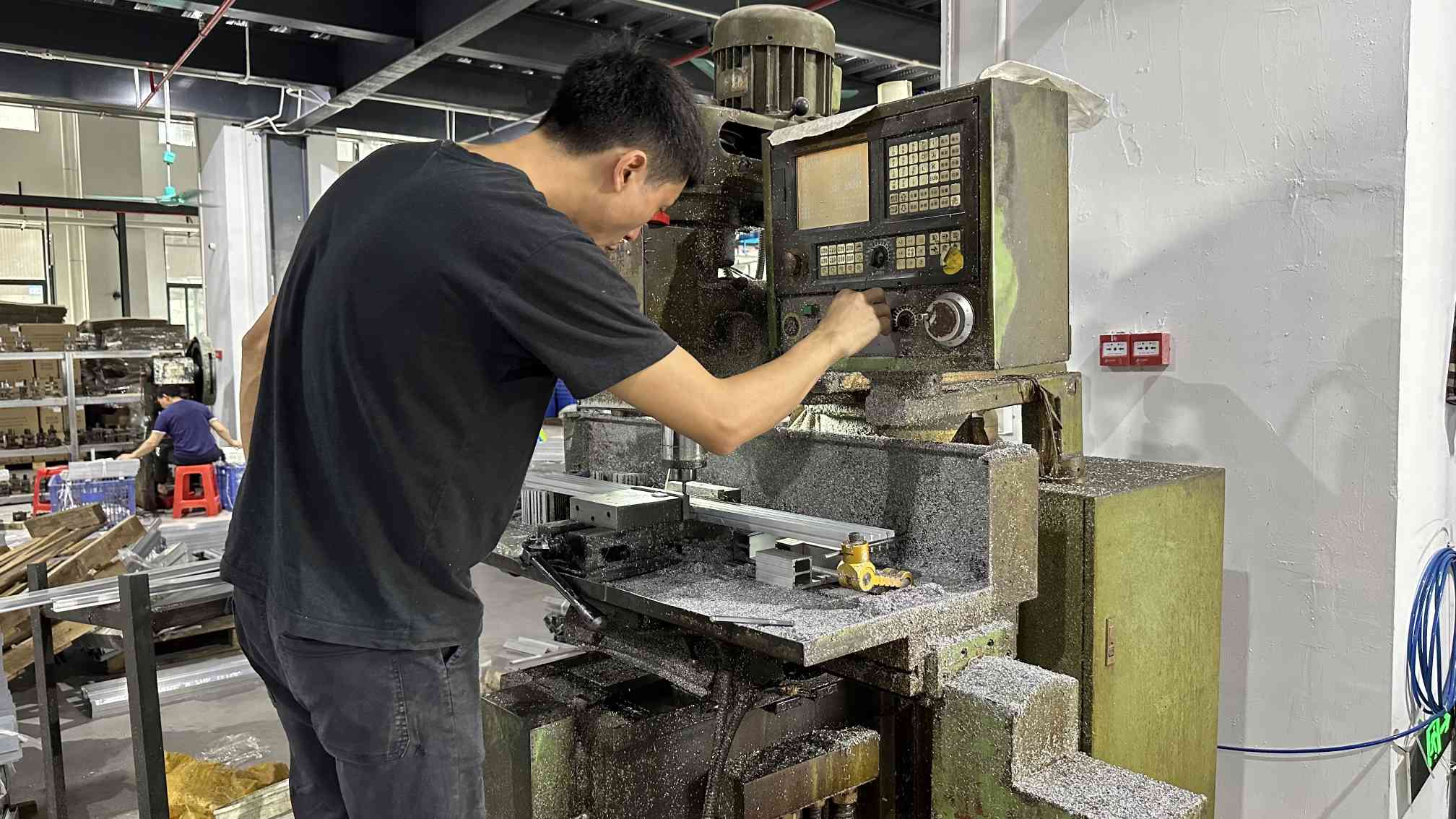
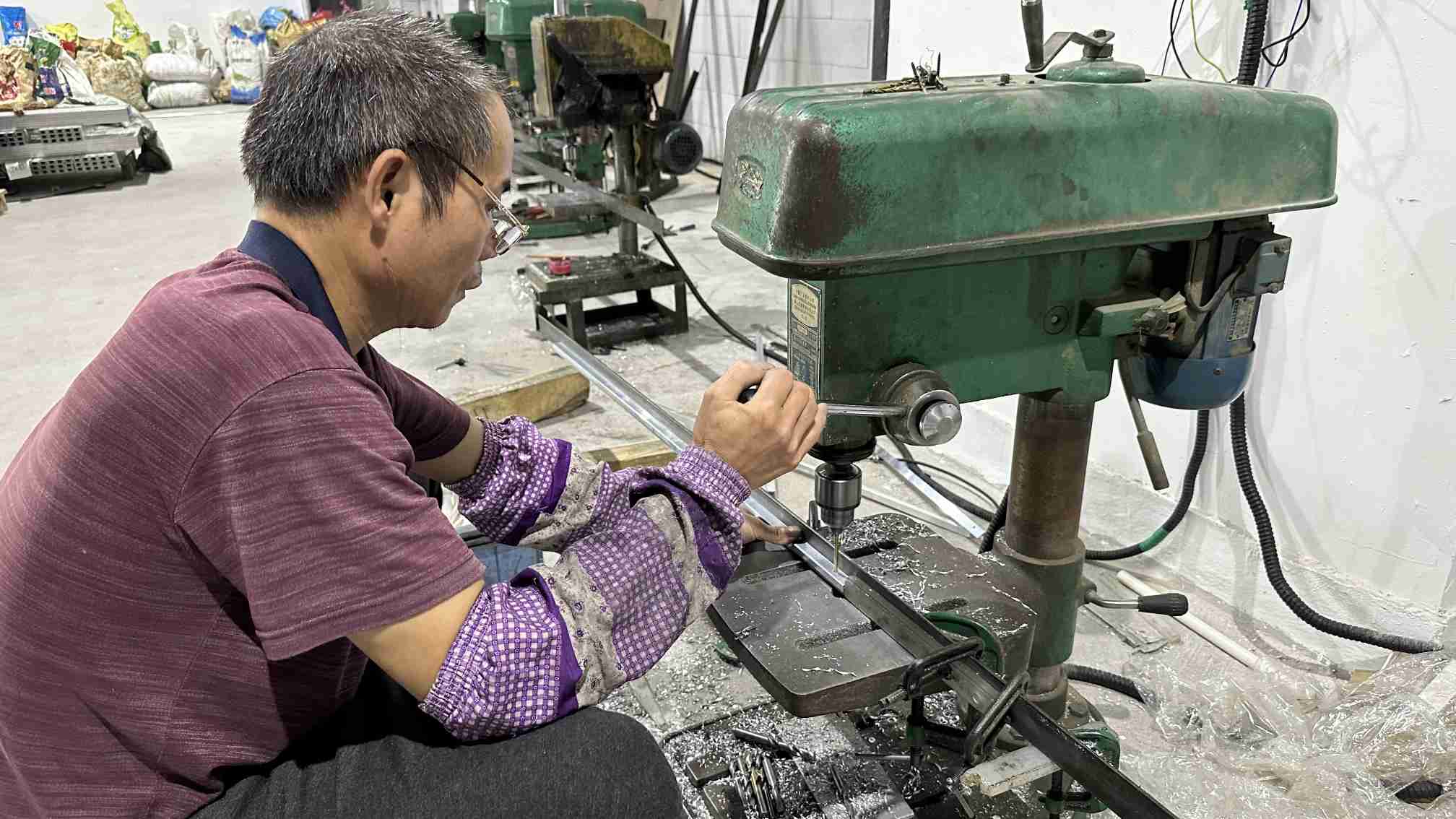
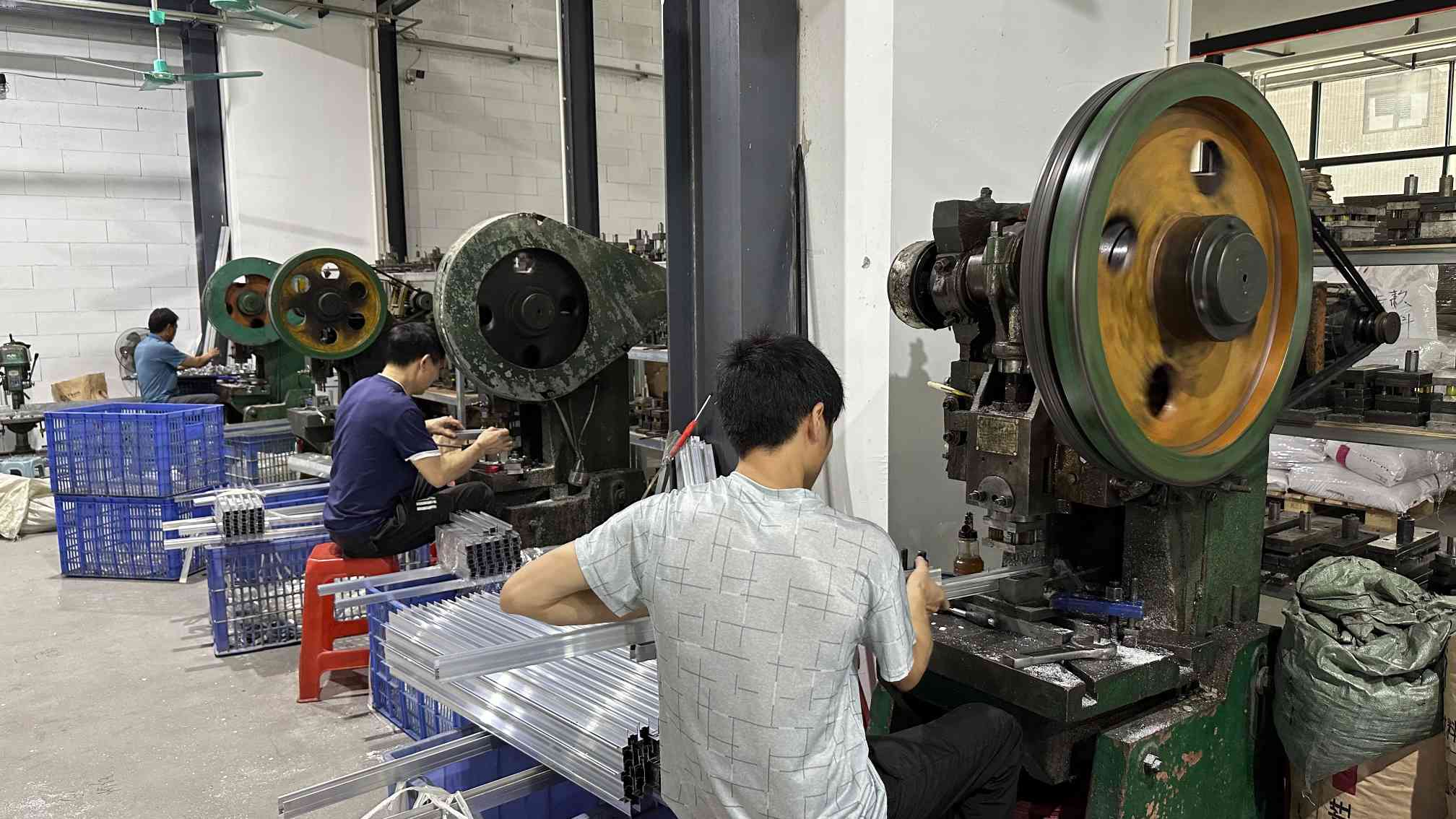
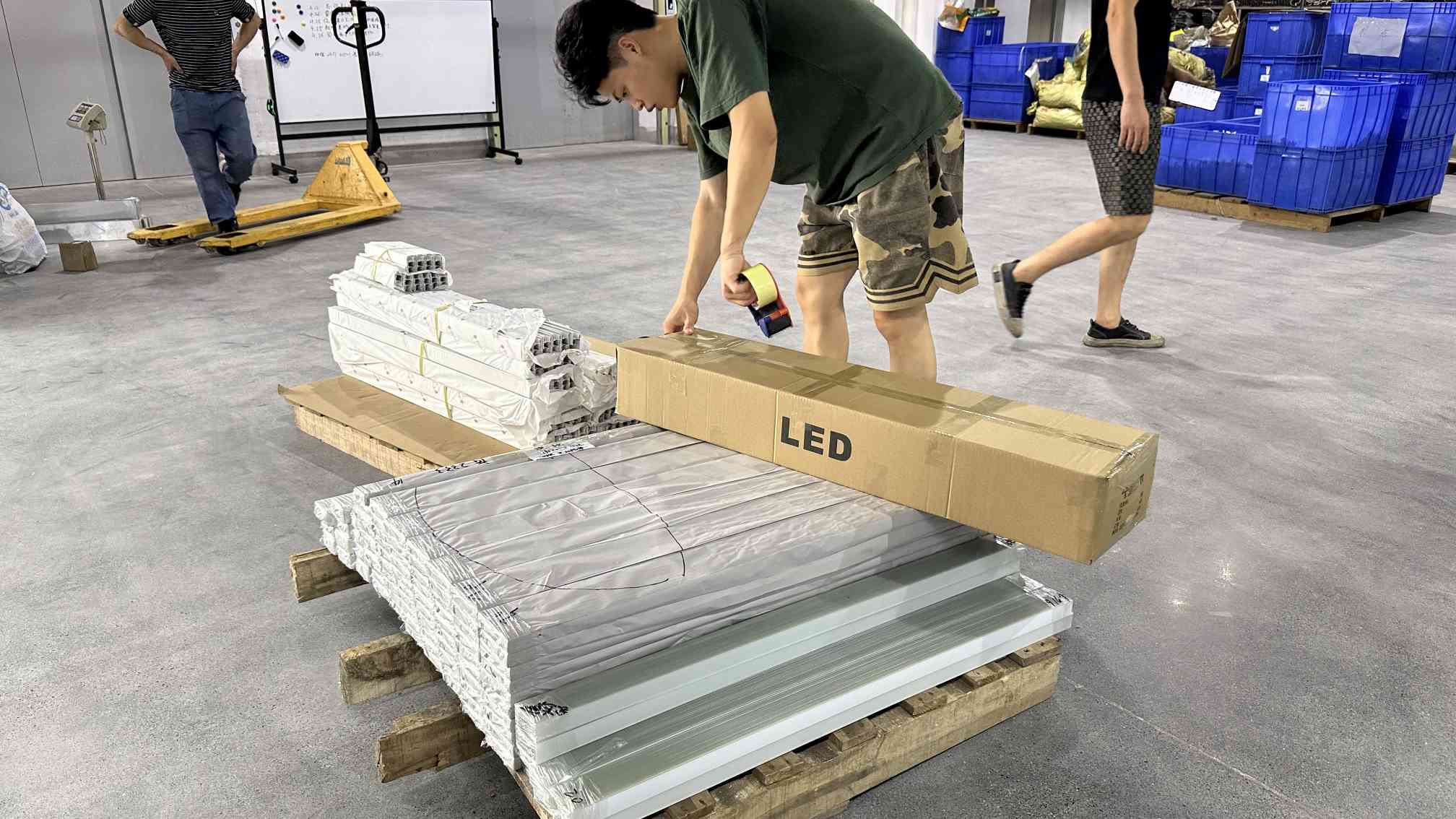
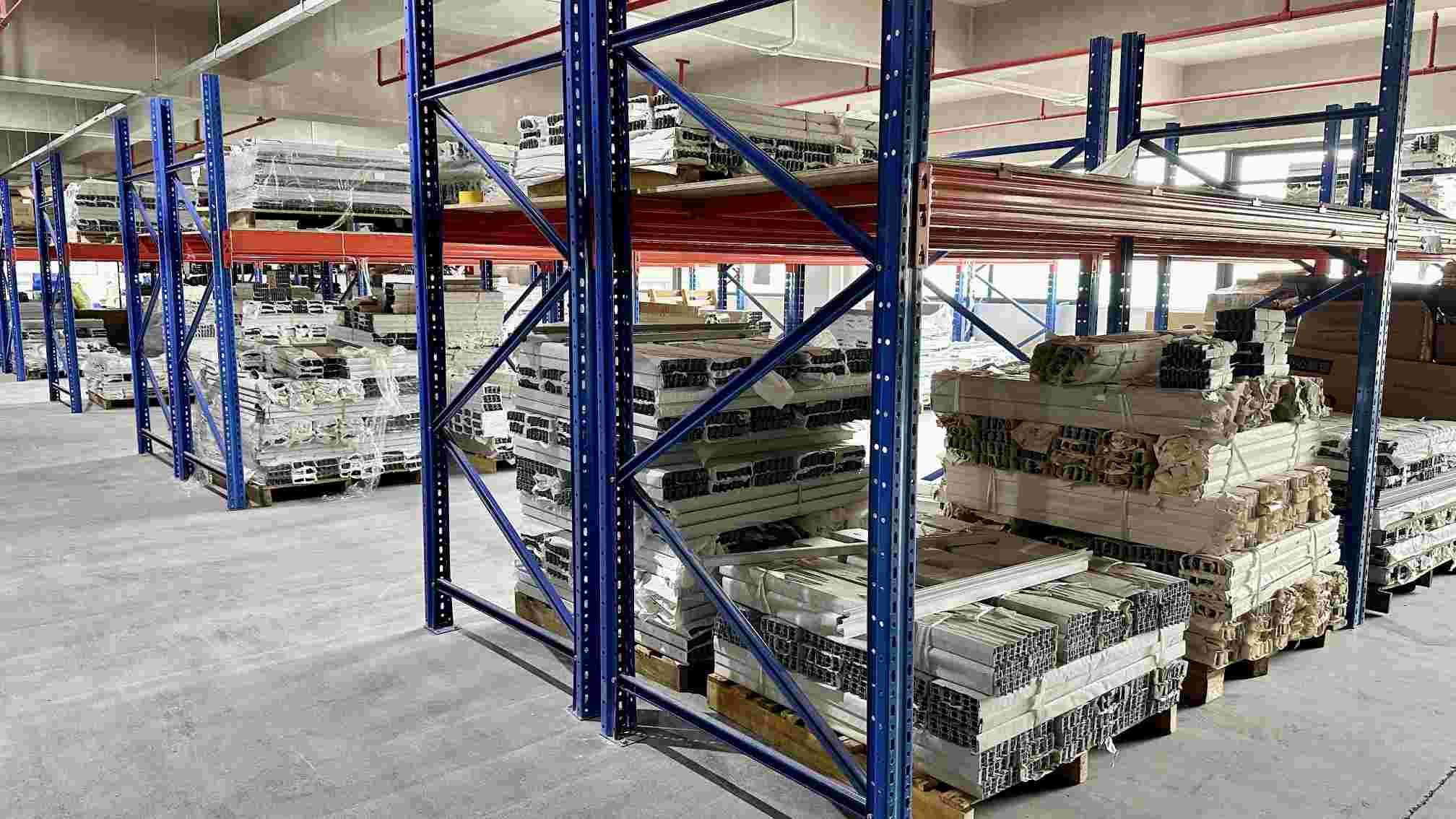
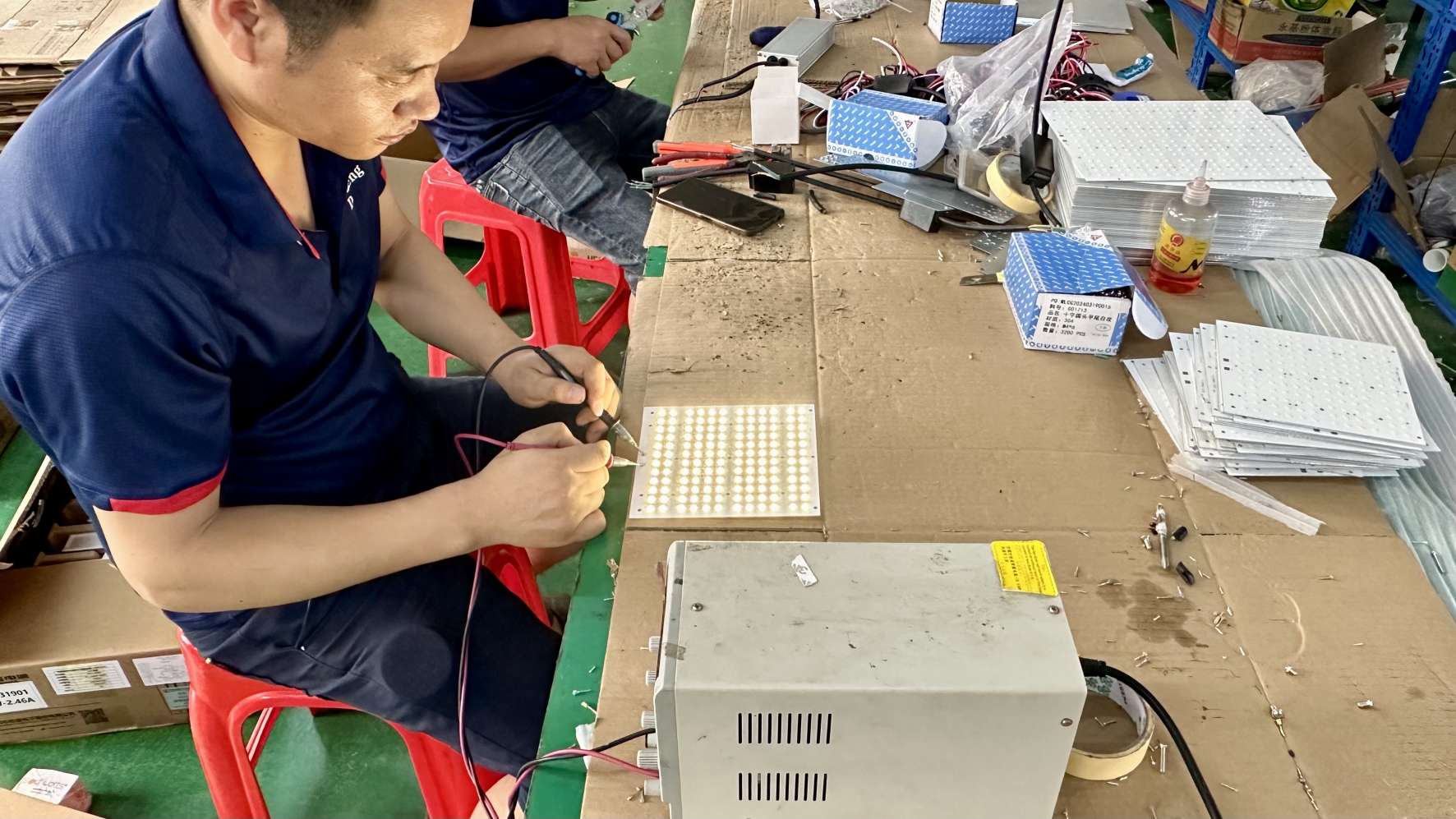
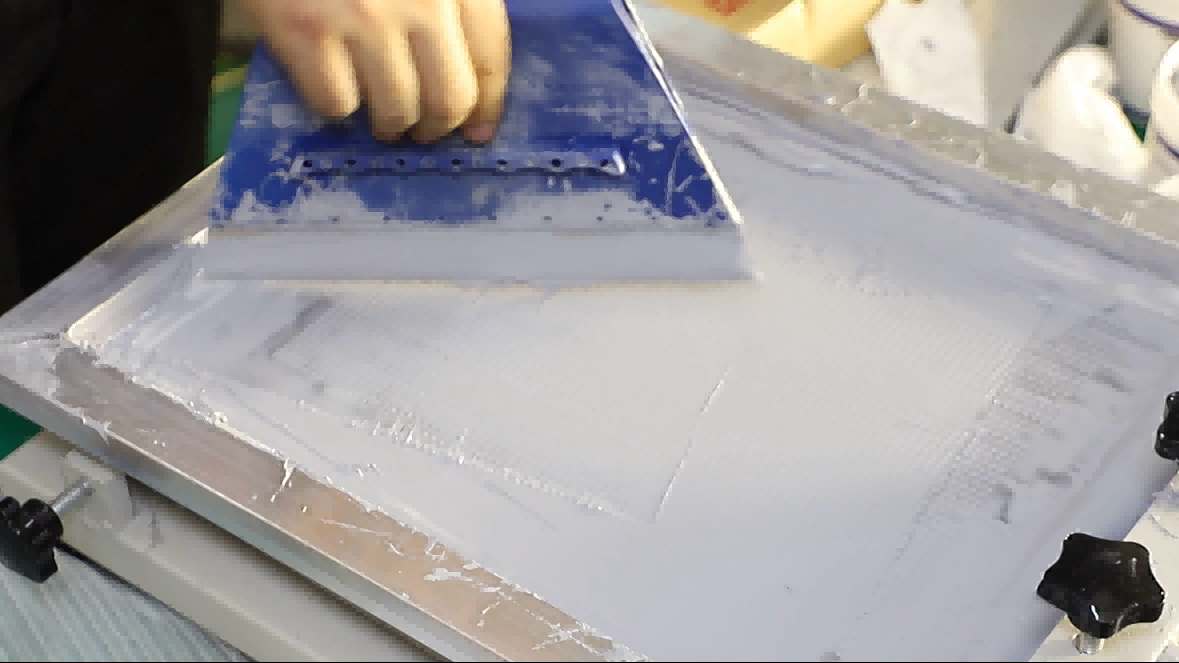
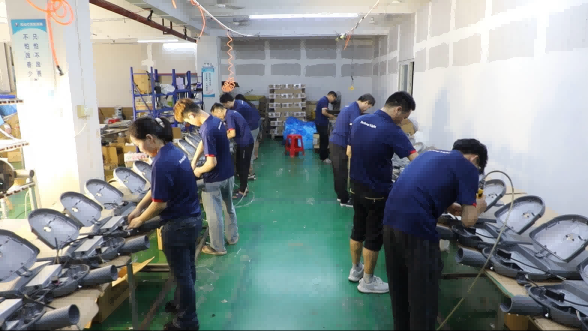
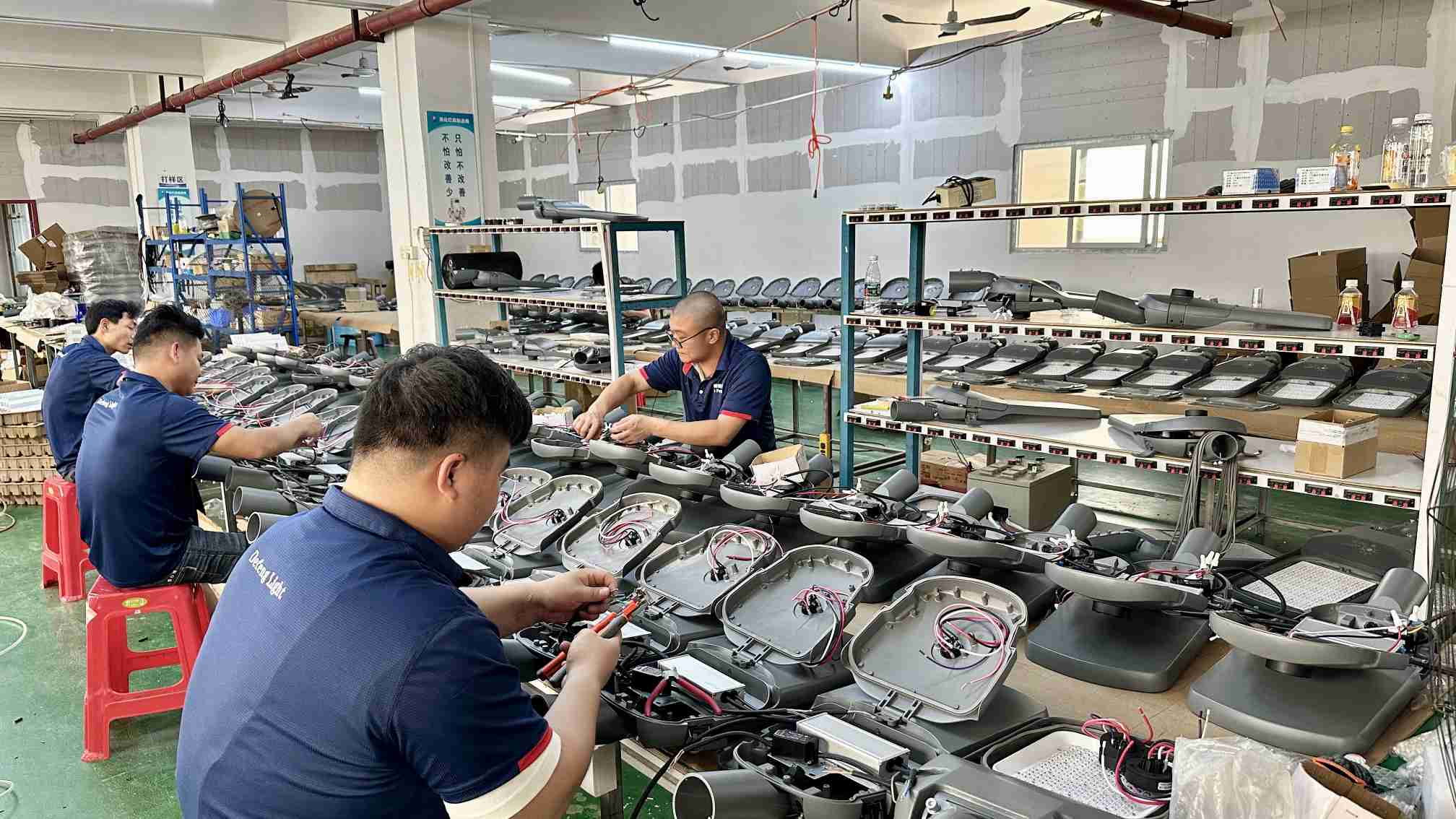
Shenzhen's unique position as the global technological hub for advanced optoelectronics allows us to maintain unmatched raw material access and assembly optimization. Our manufacturing ecosystem integrates automated assembly machinery with strict manual inspection steps. This synthesis of speed and human quality control represents our competitive advantage.
By designing and fabricating our molds in-house, we eliminate the delays and errors associated with outsourced tooling. Similarly, our direct partnerships with premium global component suppliers (LED chips, thermal compounds, high-flex cables) insulate our production scheduling from the volatility common to smaller-scale operations. For exporters and distributors supplying the East African Community, this translates to stable pricing matrices, robust product warranties, and predictable lead times.
Every market has unique building codes and design trends. We specialize in tailoring our catalog to meet the exact parameters required by our global distribution partners:
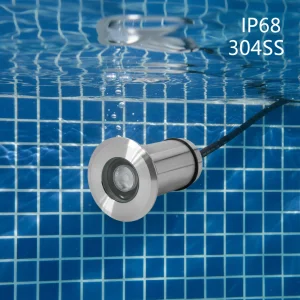
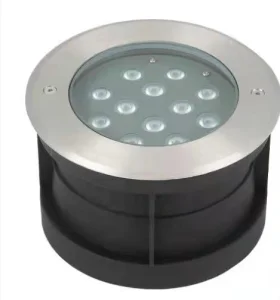
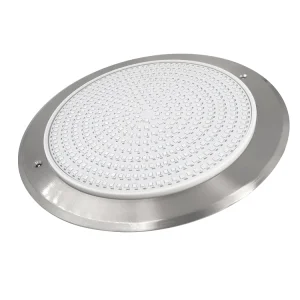
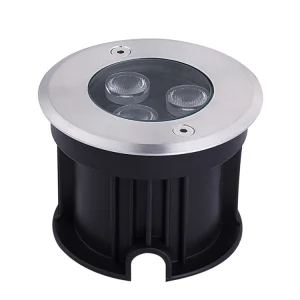
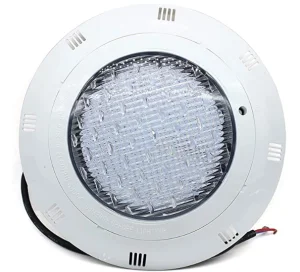
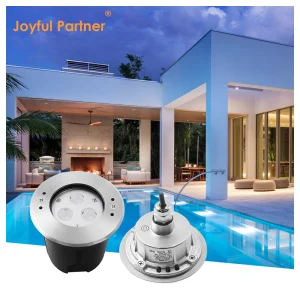
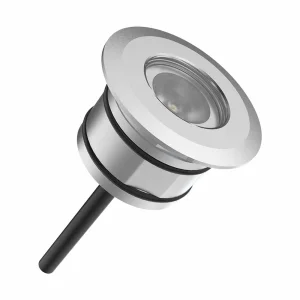
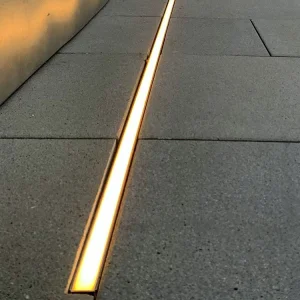
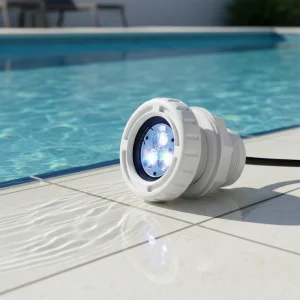
Explore our deep range of certified underwater luminaires, including stainless steel linear options, compact landscape spots, and high-wattage nicheless solutions.
Expert answers addressing the practical installation, engineering, and logistic challenges faced by designers and electrical engineers in the East African region.