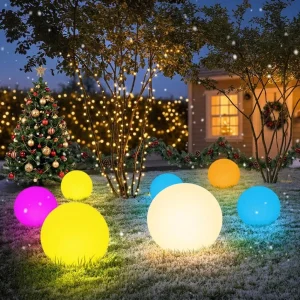
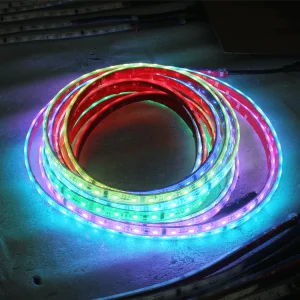
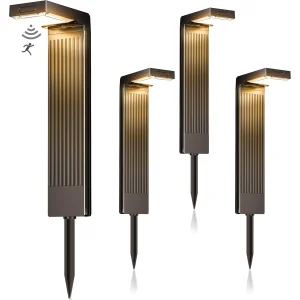
Pre-selected systems engineered for extreme temperature variances, offering high photovoltaic conversion even under partial Midwest cloud cover.
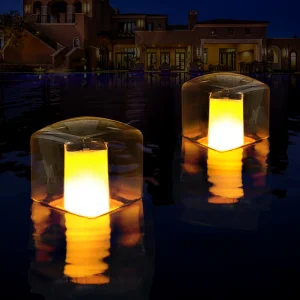
Navigating climatic challenges, strict safety standards, and regional procurement optimization for Illinois B2B buyers.
Chicago, Illinois, presents a highly demanding climate for outdoor and underwater electronic devices. According to the Köppen climate classification, Chicago falls under a humid continental climate (Dfa), marked by hot, humid summers and severely cold, snowy winters. Mean temperatures drop well below freezing in January, and record lows can hit -20°F (-29°C) or lower. Swimming pools in the Chicago metropolitan area (ranging from private residential properties in Naperville and Hinsdale to commercial rooftop pools in the Loop and Gold Coast) require specialized engineering parameters.
Climatic Design Requirement: High thermal contraction/expansion resistance. Ingress protection (IP68) must utilize silicon gasket seals capable of maintaining elasticity from -40°C to +80°C. Standard solar lights manufactured for warmer climates like Florida or California will rapidly suffer seal failure and water intrusion in Chicago due to freeze-thaw cycles.
Furthermore, Chicago experiences an average of only 189 sunny days per year, below the US national average. This requires solar-powered pool lights to feature high-efficiency Monocrystalline photovoltaic (PV) cells (operating at 21-23% conversion rates) paired with intelligent charge controllers that optimize low-light energy harvesting during overcast Midwestern autumns.
The global swimming pool lighting market is transitioning rapidly. Traditional high-voltage halogen systems are being phased out in favor of extra-low-voltage (ELV) LEDs and decentralized off-grid solar-powered arrays. The reasons are two-fold:
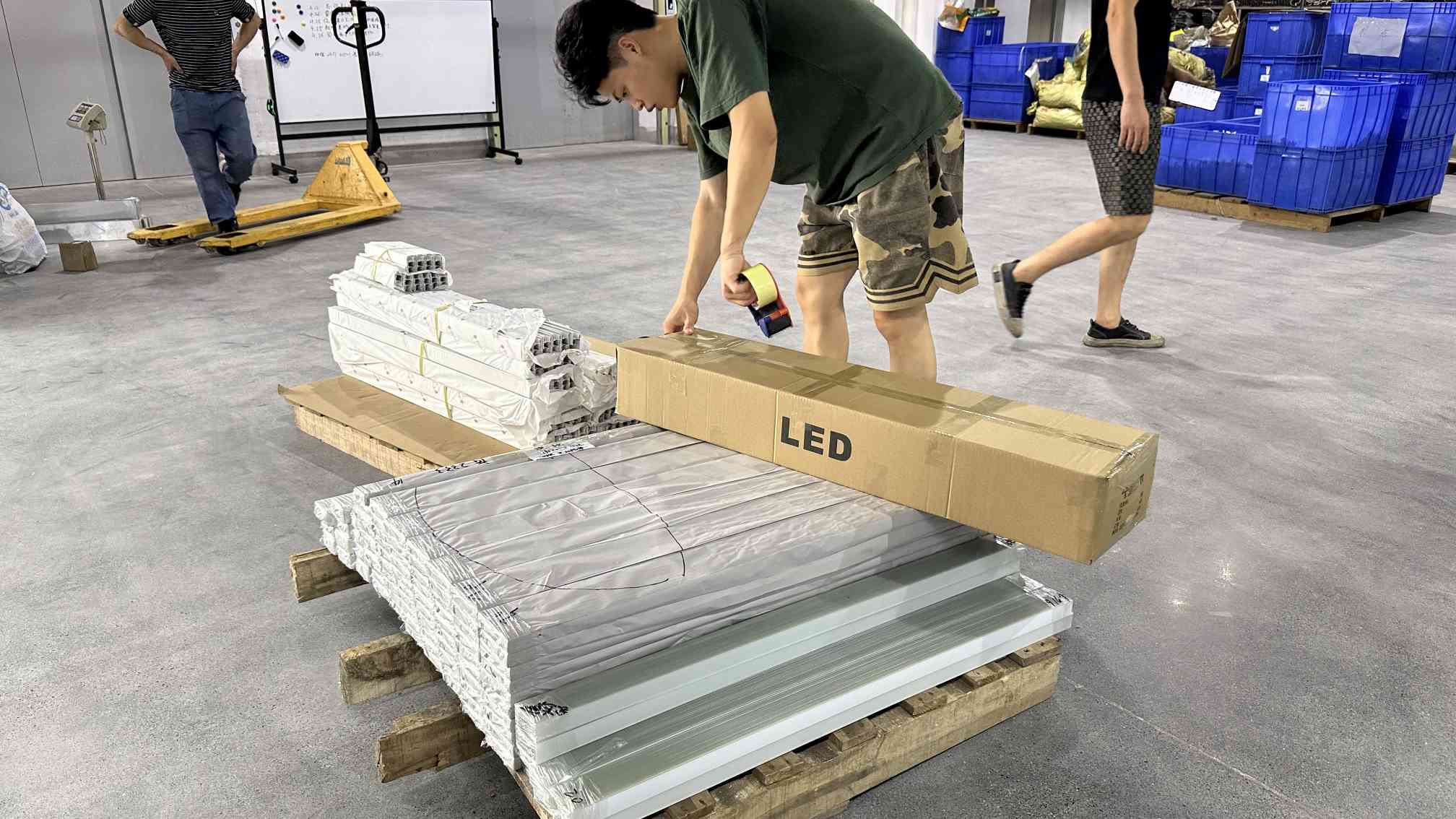
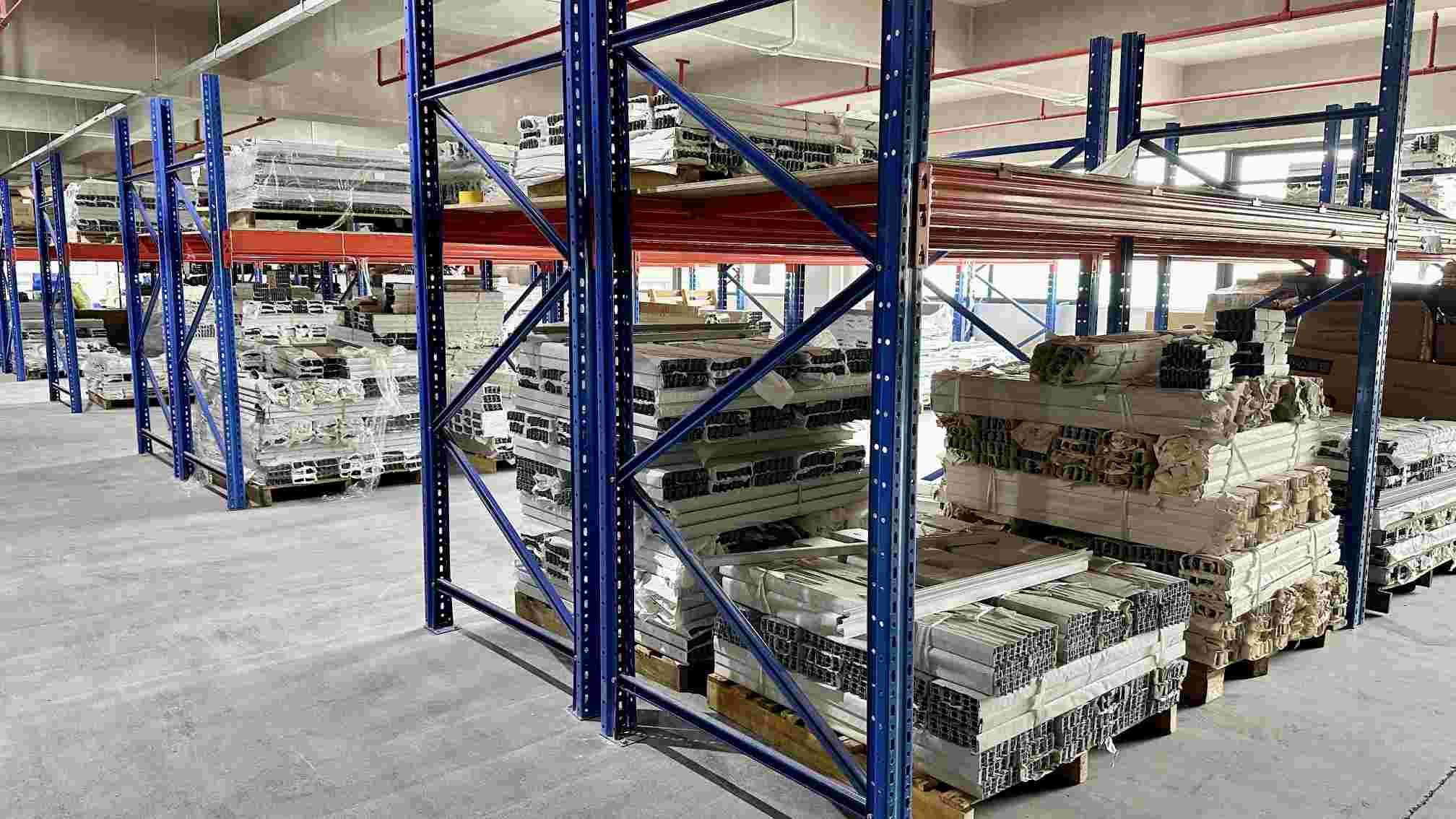
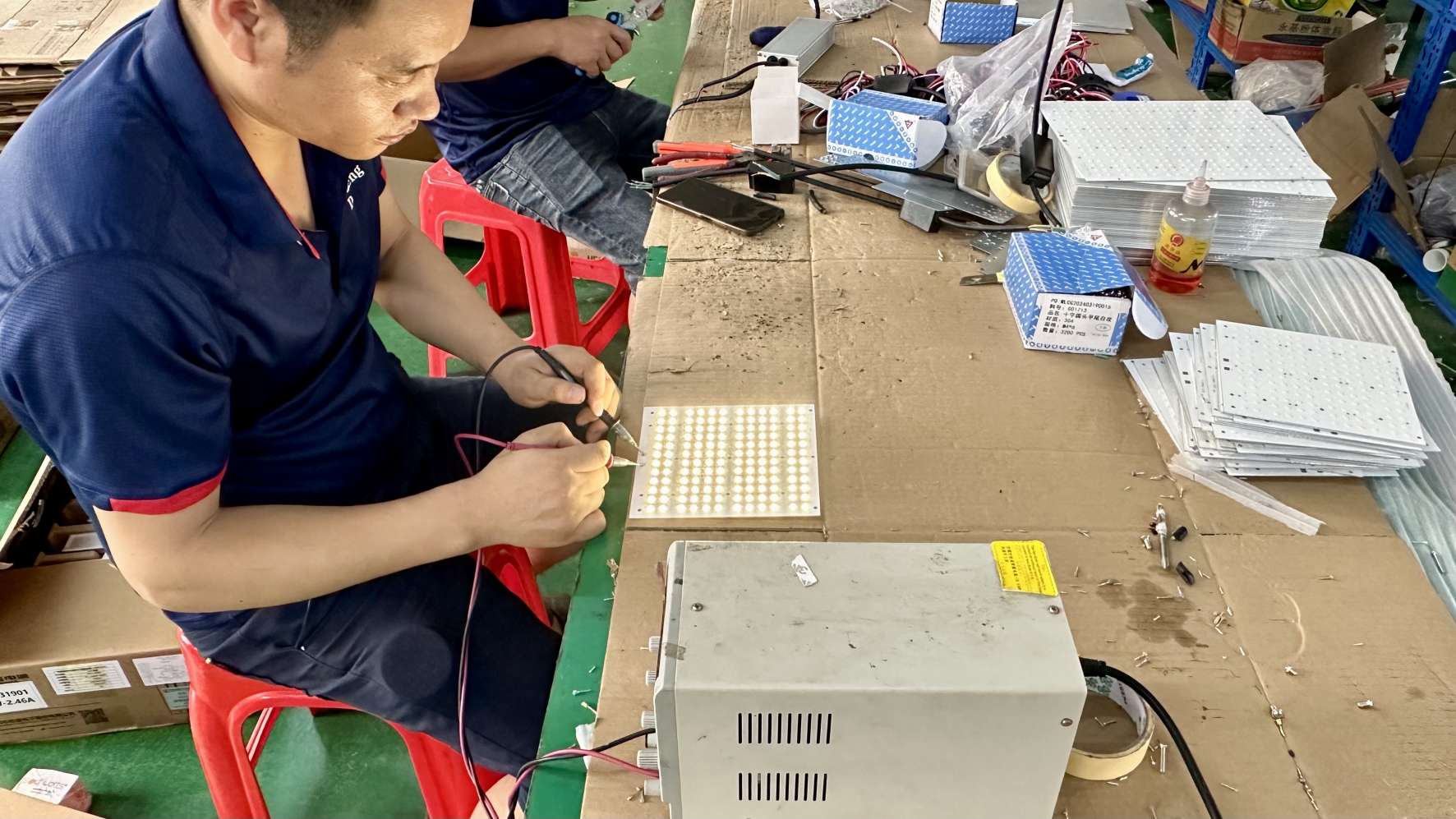
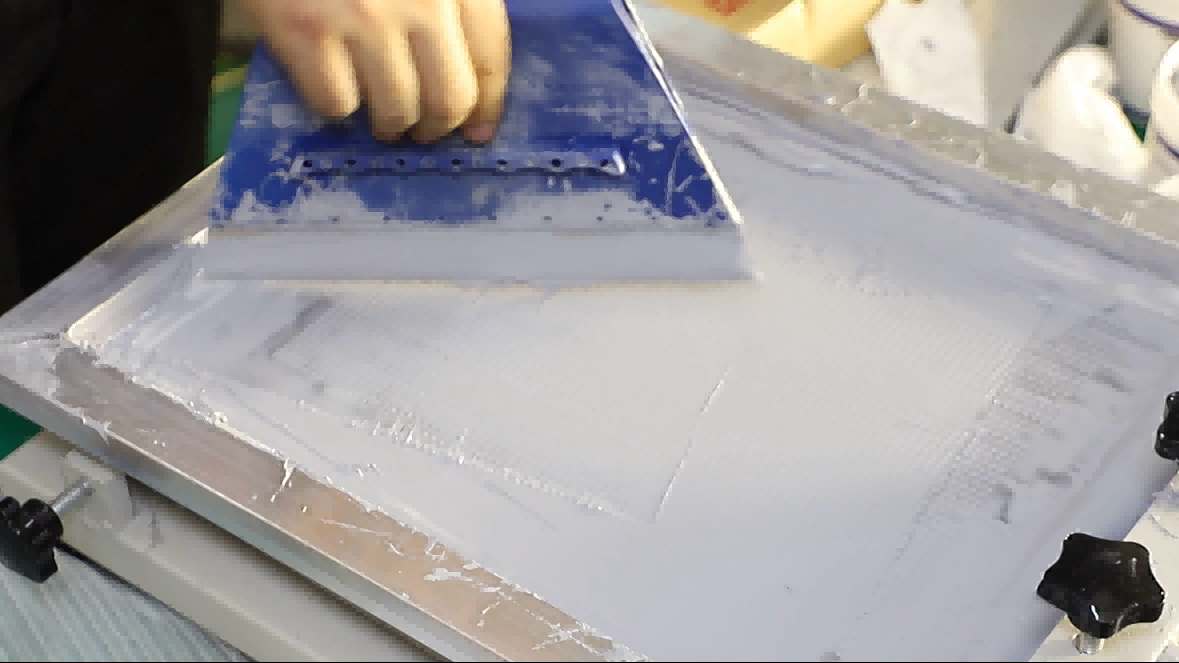
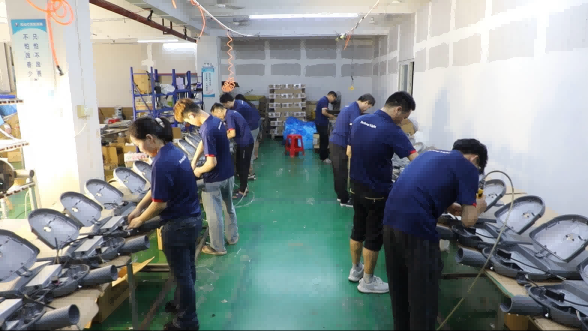
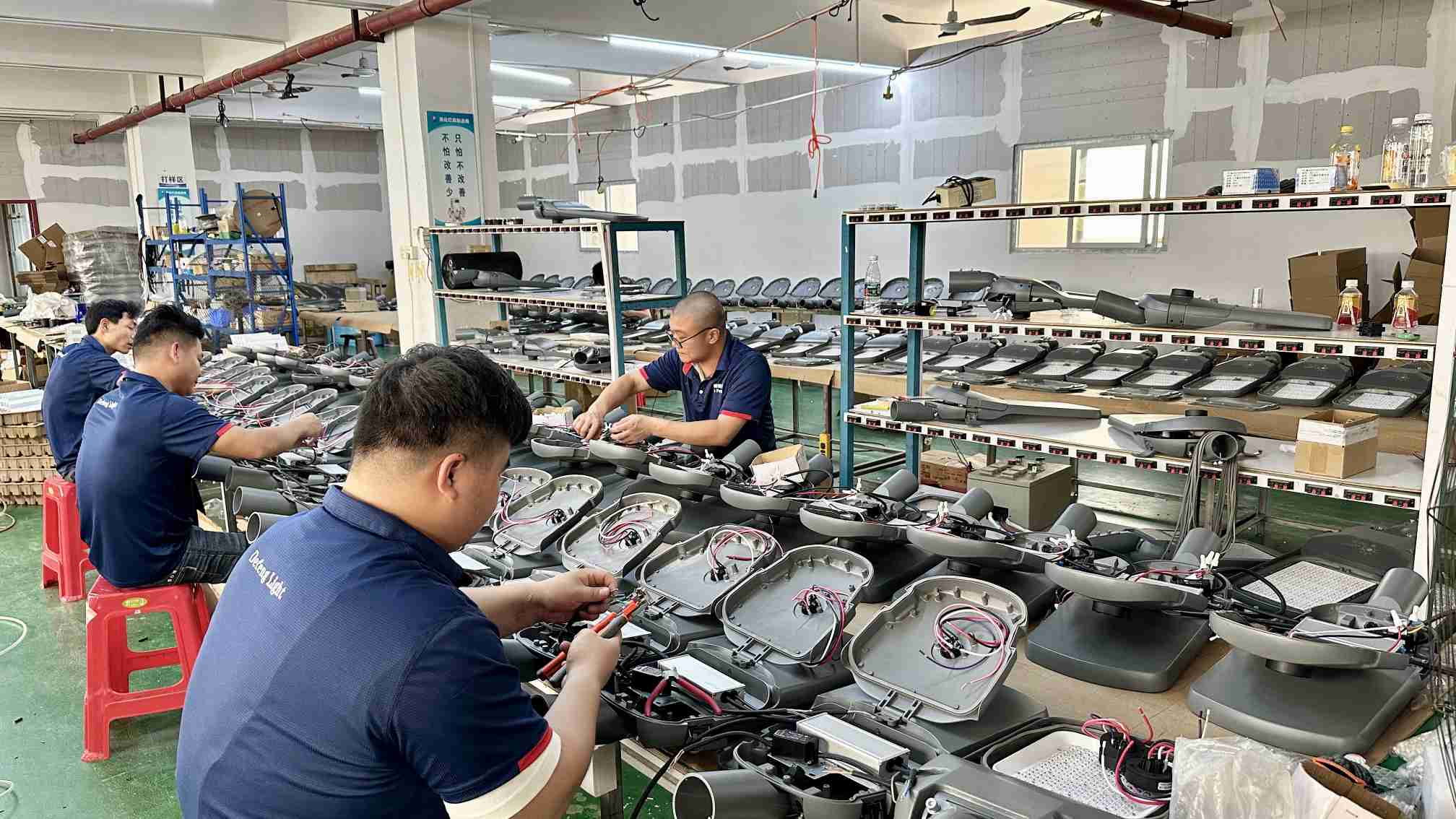
Shenzhen Alter Light Co., Ltd. represents the absolute forefront of precision manufacturing in the pool lighting sector. Shenzhen's industrial cluster allows for vertical integration of the supply chain—from raw material sourcing (UV-stabilized polycarbonate and marine-grade SS316 stainless steel) to mold design, injection molding, SMT assembly, and computerized waterproof testing.
By leveraging Shenzhen's advanced logistical infrastructure, we can deliver high-volume OEM orders directly to O'Hare International Airport or the Port of Chicago via optimized supply chains, reducing lead times and assuring quality controls that meet FCC, CE, and RoHS certifications.
A transparent look inside our manufacturing facility showing our precision engineering and rigorous quality testing.
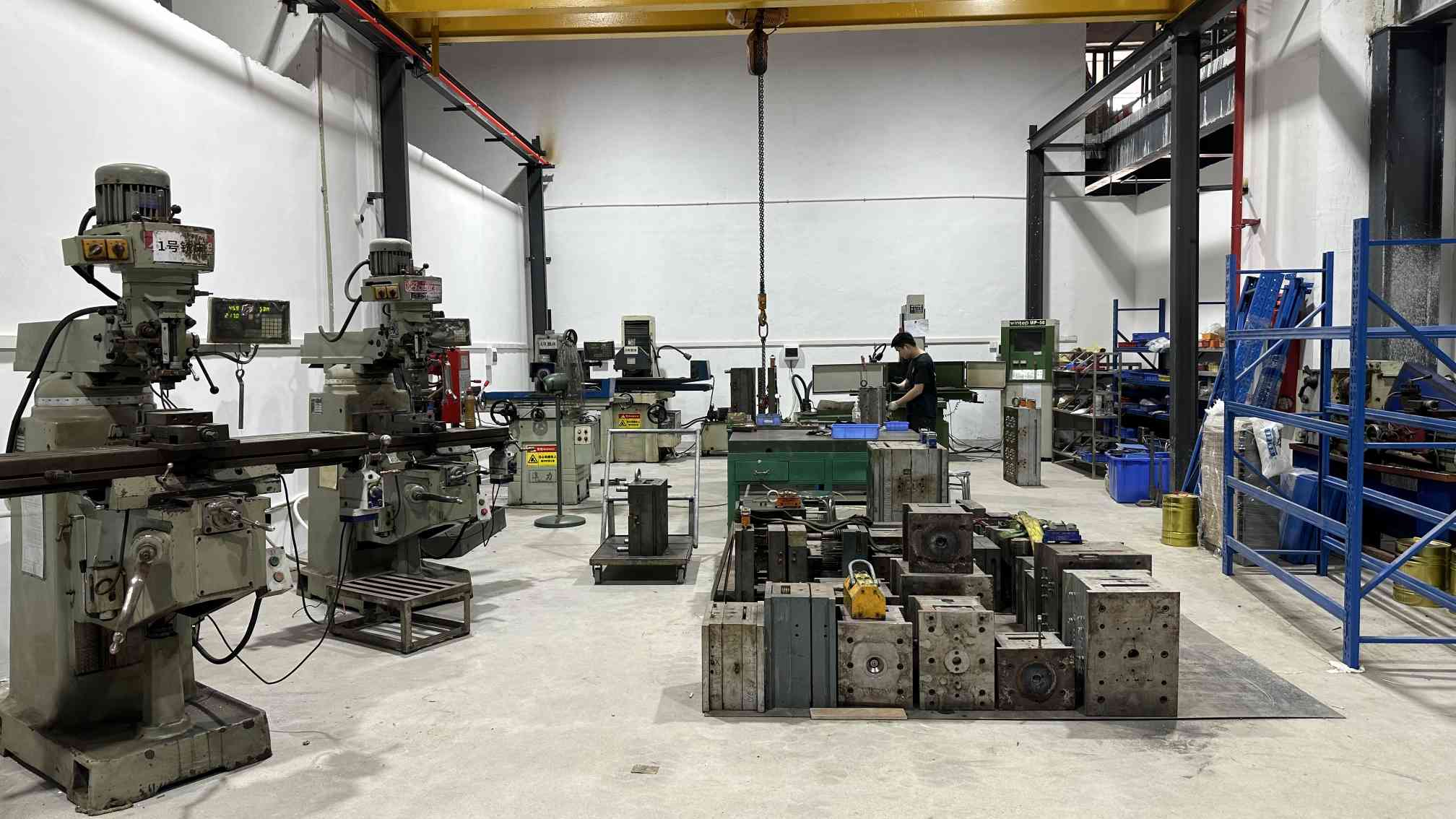
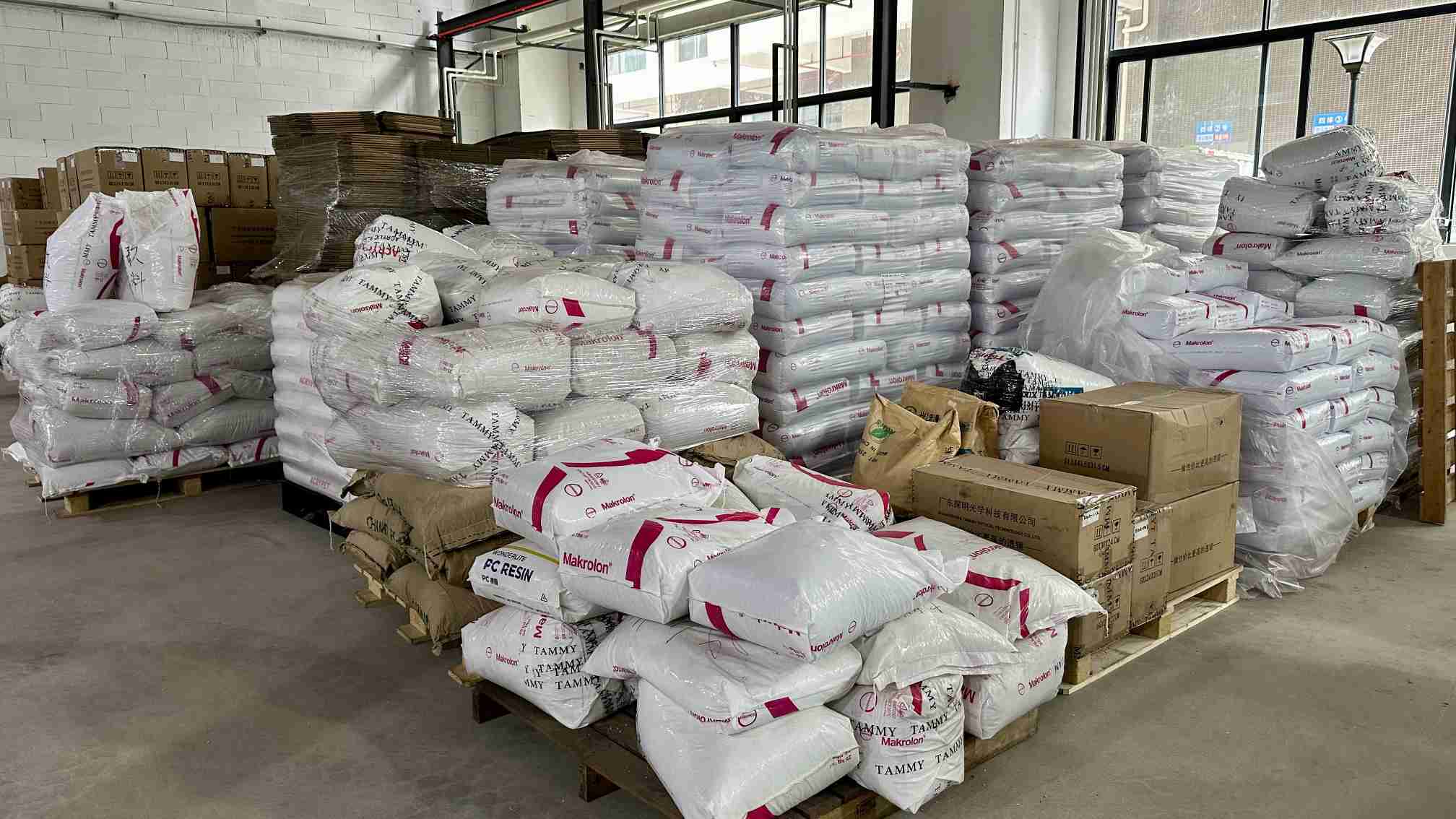
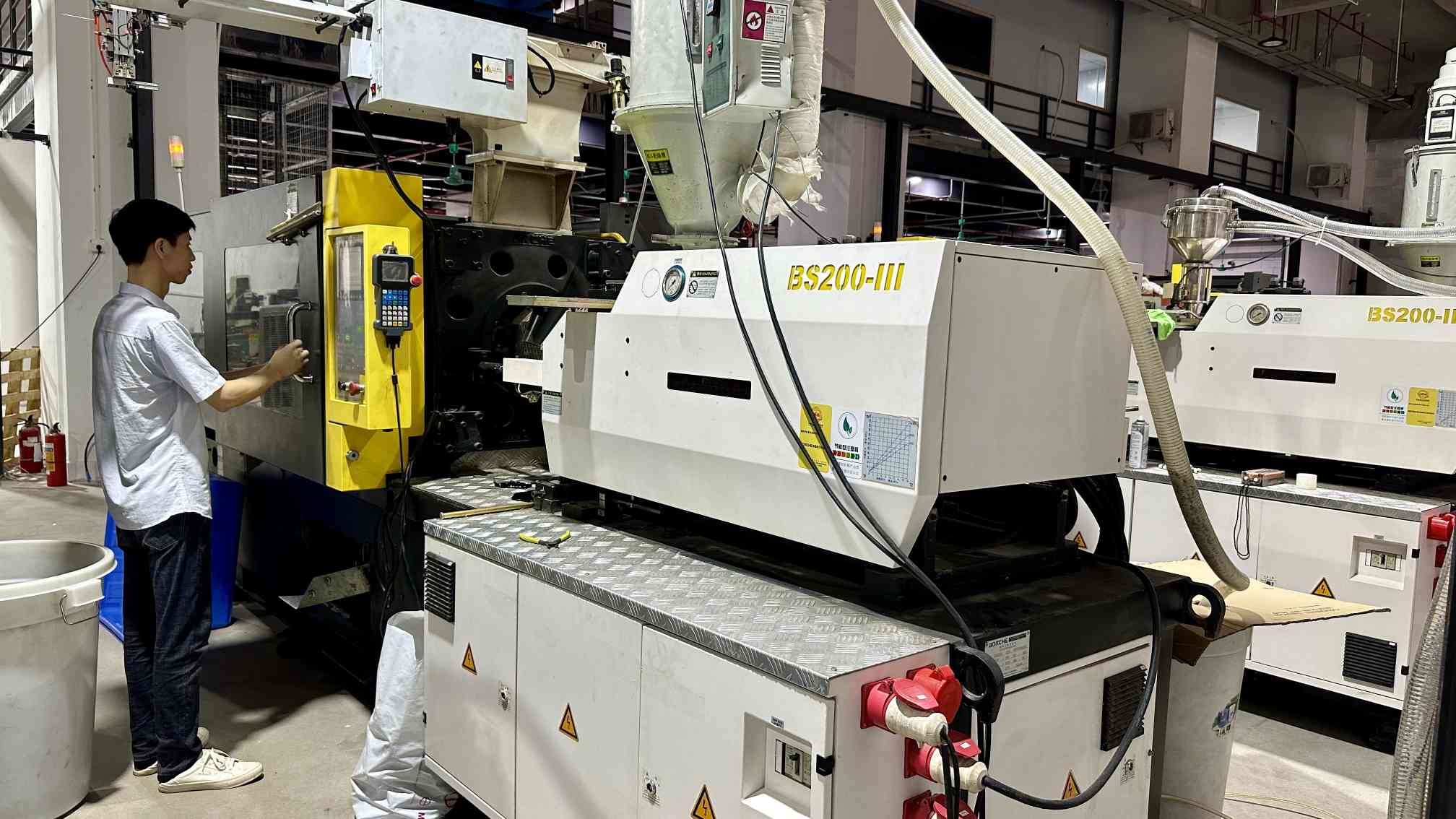
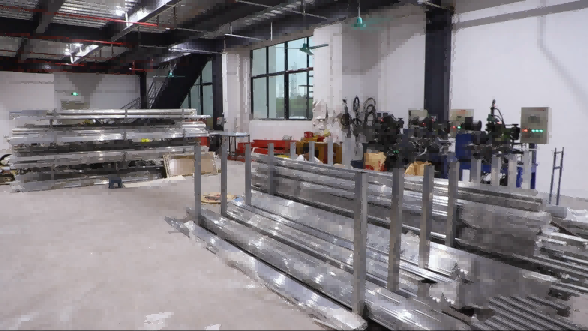
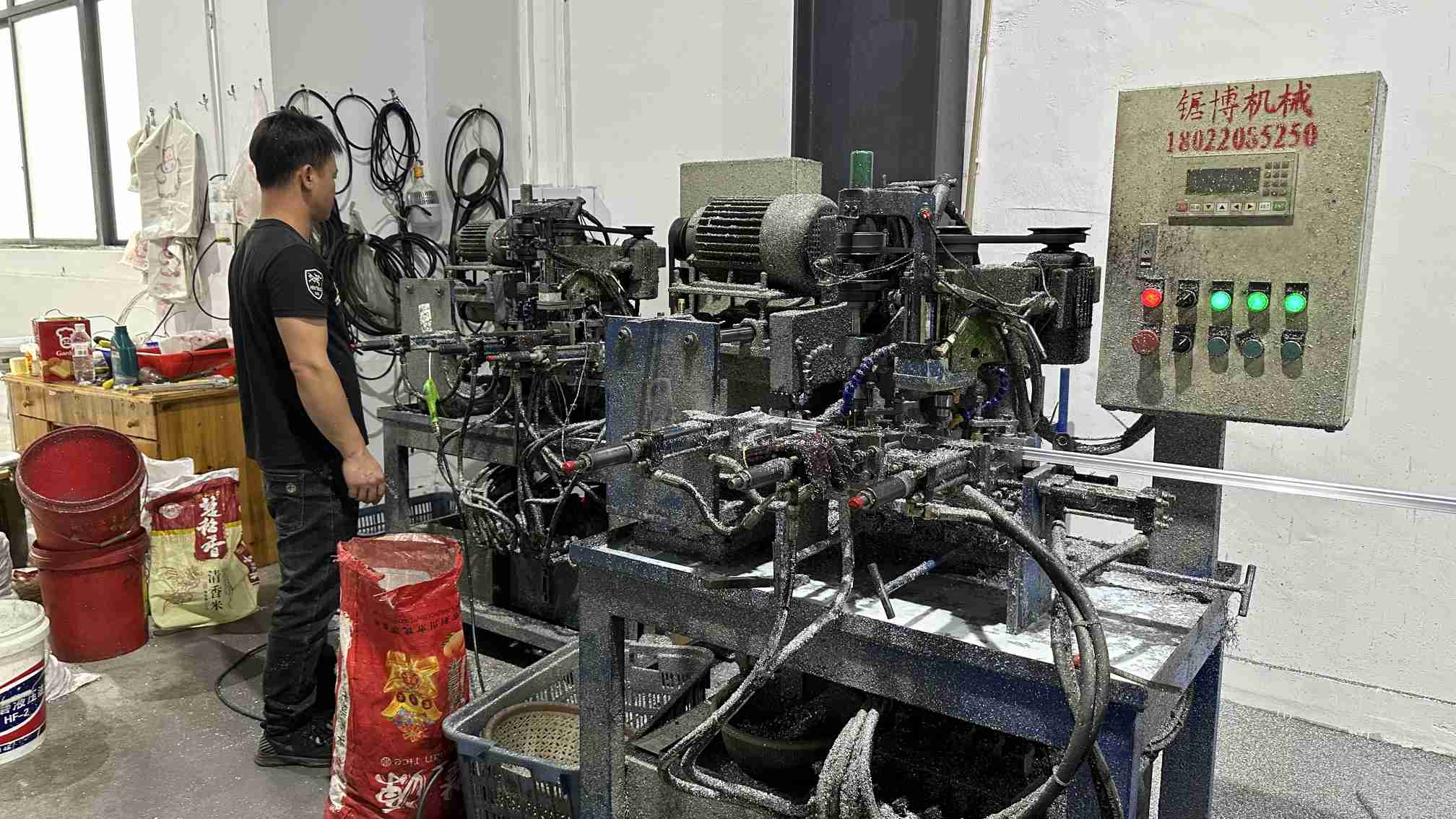
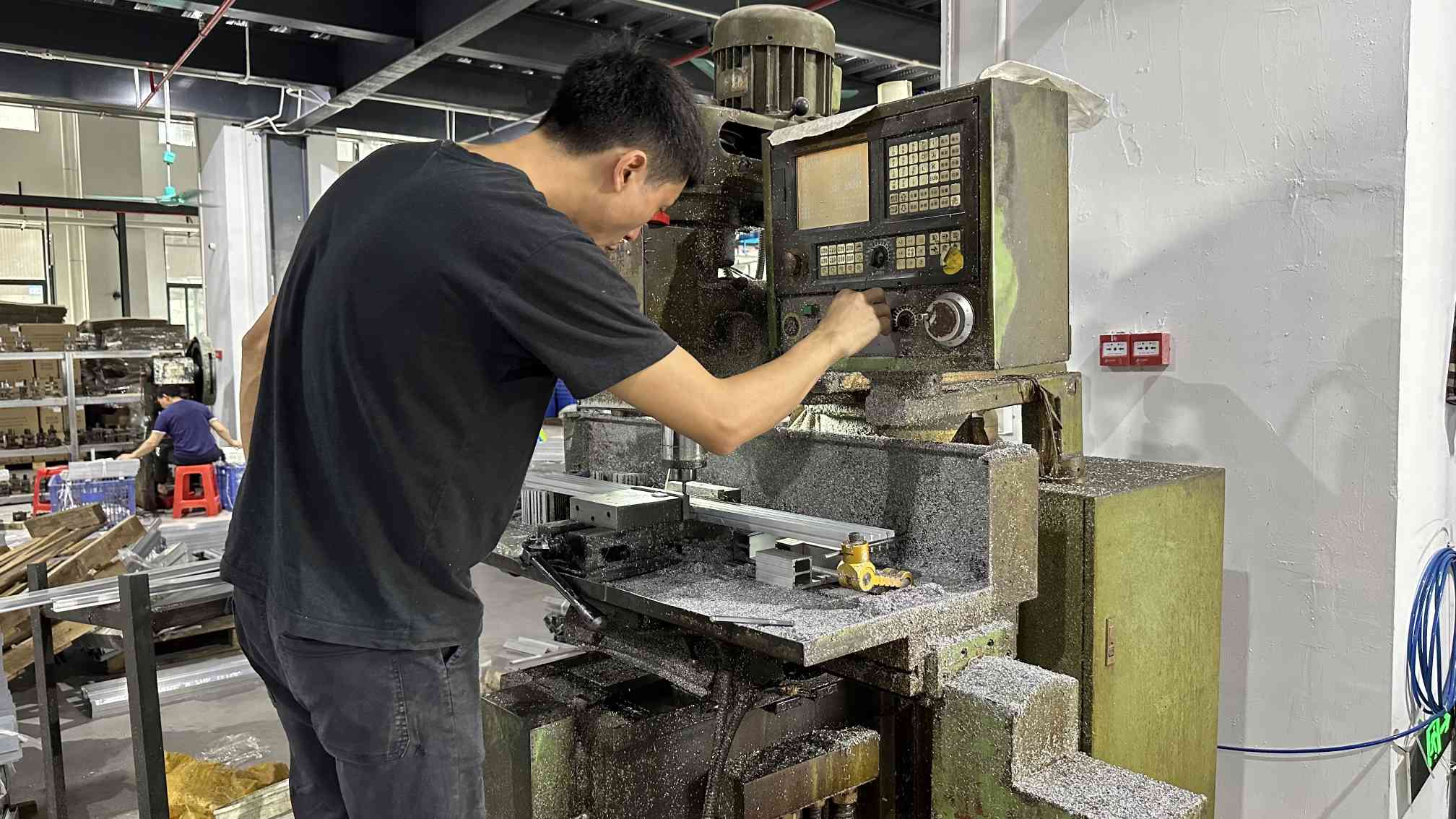

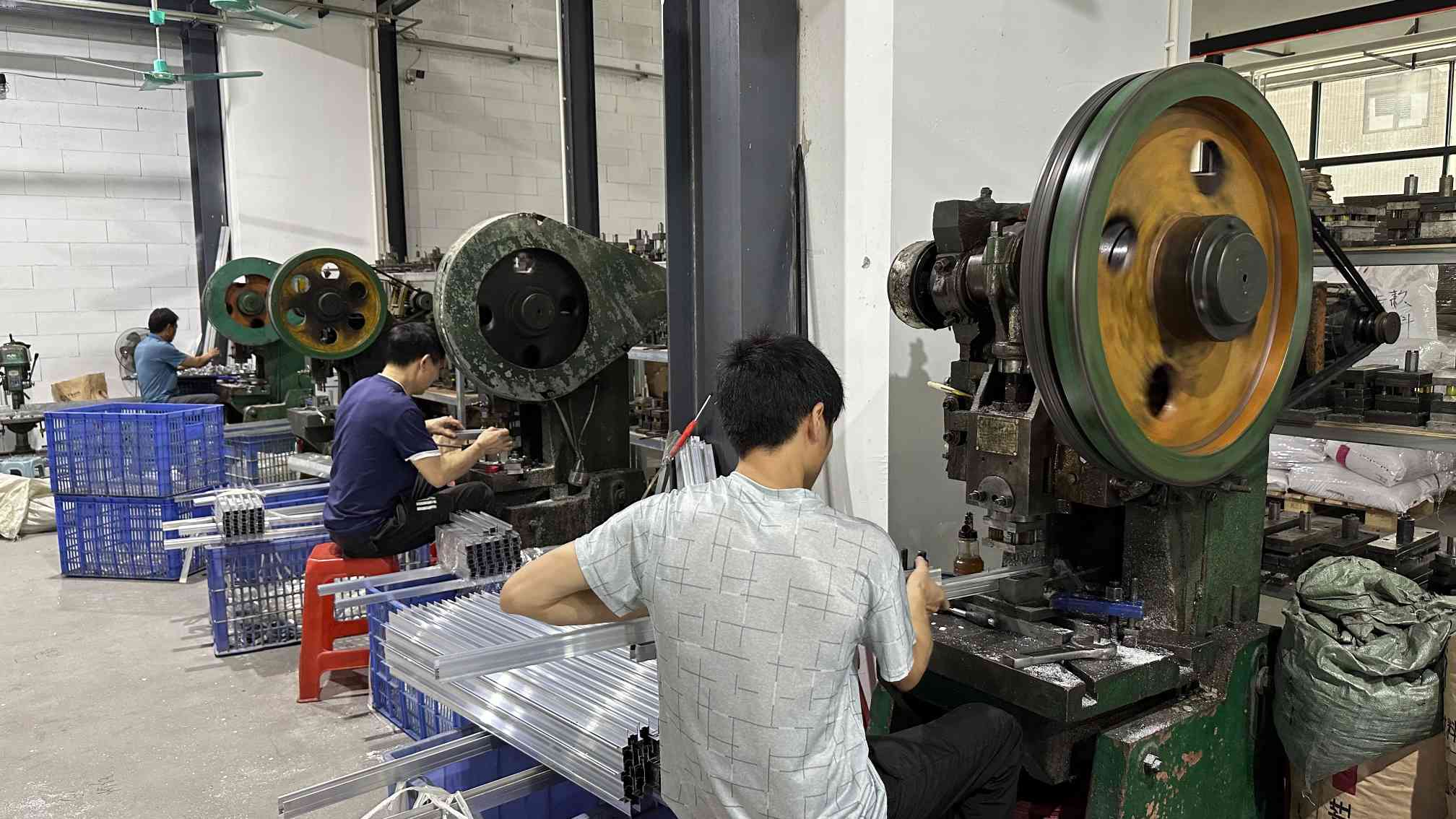
How developers, landscape architects, and municipal distributors deploy our solar lighting systems across Cook County.
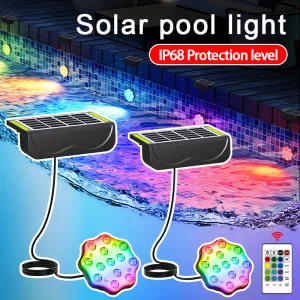
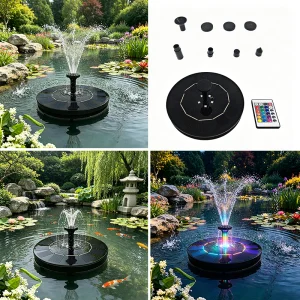
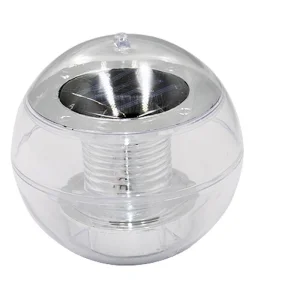
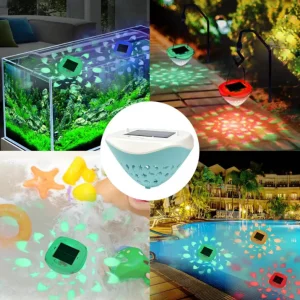
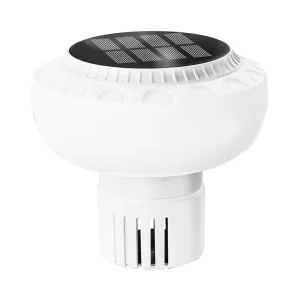
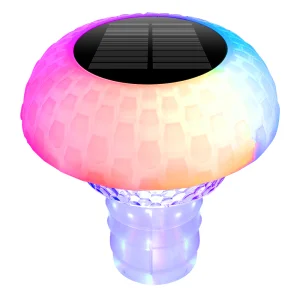
In locations such as downtown Chicago boutique hotels and luxury apartments, rooftop pools are primary selling points. However, installing structural wiring on rooftops can compromise roofing membranes, creating potential water leaks. Our self-contained solar floating lights (such as the IP68 Floating PC Body and remote-controlled RGB systems) offer immediate, zero-cabling ambient lighting solutions that comply with city codes and add strong night-time visual appeal.
Suburban Chicago properties feature large in-ground pools, decorative ponds, and backyard water gardens. The harsh winter requires residential owners to winterize and drain or cover their pools from October through April. The portability of our solar floating lamps makes them ideal: they can be taken out of the pool in autumn, stored easily, and placed back in the spring without needing to hire a licensed electrician to disconnect main lines.
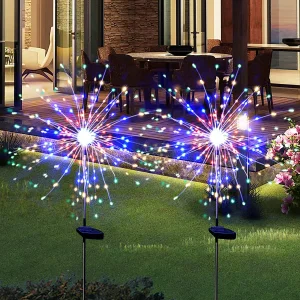
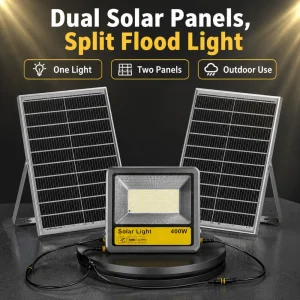
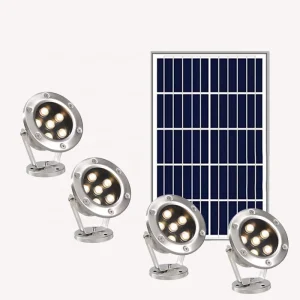
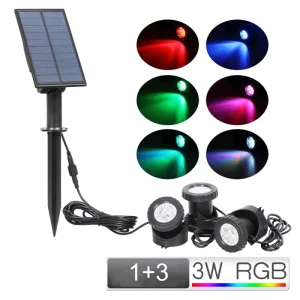
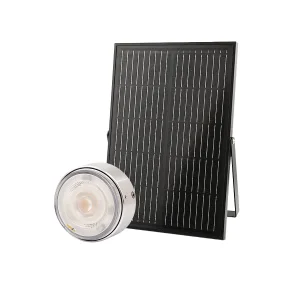
For municipal contractors, minimizing energy costs and maintenance is a key performance indicator. Our high-power, stainless steel solar LED spotlight systems are used in commercial plazas, public fountains, and park displays throughout Illinois. Using remote control systems, park maintenance crews can program lighting displays without manual adjustment.
Explore our complete B2B wholesale range of solar-powered underwater, floating, and architectural light fixtures.
What engineers look for when specifying commercial-grade solar pool lighting arrays.
The standard lithium polymer chemistry of past decades fails under extreme temperature environments. For the Chicago market, we have upgraded our primary commercial-grade product line to utilize LiFePO4 (Lithium Iron Phosphate) battery cells. LiFePO4 batteries feature an operational temperature envelope of -20°C to +70°C and maintain over 80% capacity after 2000+ charge cycles, ensuring a service life exceeding 5 years even under harsh thermal stress.
Low-end solar pool lights use PET-laminated solar panels that yellow and degrade under UV exposure within 12-18 months. Alter Light utilizes highly durable ETFE (Ethylene Tetrafluoroethylene) or tempered glass laminated monocrystalline silicon panels. ETFE offers 95% light transmittance, self-cleaning capabilities, and chemical resistance to chlorine and bromine pools.
Traditional floating solar lights function as isolated units. Our latest smart controller integration allows multi-fixture syncing. Using Bluetooth Mesh or 2.4Ghz RF, up to 100 floating lights and underwater spot arrays can coordinate color shifts, dimming, and scheduling simultaneously via a single master remote control or smart building automation panel.
Answering common engineering, logistics, and quality assurance questions from importers, distributors, and contractors.