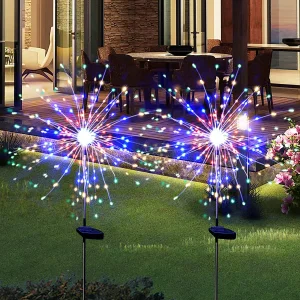
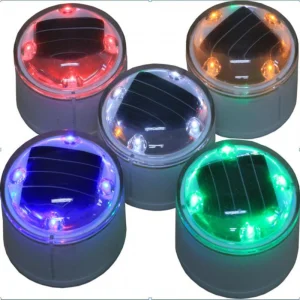
High-efficacy solar-powered architectural lighting certified for resort and domestic aquatic environments across the Philippine archipelago.
An authoritative analysis on energy resilience, salt-spray survivability, and localized solar integration for commercial municipal infrastructure.
The Republic of the Philippines, characterized by its sprawling archipelago of over 7,600 islands, is currently undergoing an aggressive transition toward sustainable, decentralized energy frameworks. The combination of soaring retail electricity tariffs—consistently ranking among the highest in the ASEAN region—and a National Renewable Energy Program (NREP) targeting 35% renewable generation by 2030, has placed ecological architecture at the forefront of development. Specifically, the commercial hospitality sector, municipal parks, and luxury residential enclaves are shifting from traditional high-voltage, grid-tied lighting systems to smart, off-grid solar-powered alternatives.
Traditional underwater lighting requires complex, high-cost electrical installations. Trenching, step-down transformers, heavy conduits, and water-tight junction boxes present major failure points, particularly under the high ground-water tables and tidal forces prevalent in coastal Philippine developments. High-salinity microclimates in destination corridors such as Boracay, Palawan, Siargao, and Cebu accelerate galvanic corrosion, causing seals to degrade, wiring insulation to crack, and traditional fixtures to short-circuit.
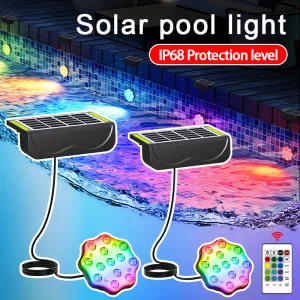
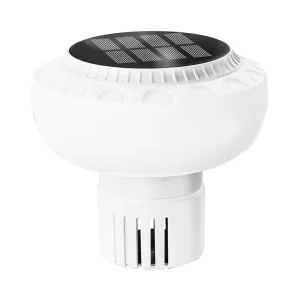
Industrial-grade solar-powered pool lights remove the risk of electrocution and eliminate energy bills. They operate on low-voltage DC power, charging during the day via integrated photovoltaic modules and discharging at night. By eliminating structural grid cabling, property developers, MEP (Mechanical, Electrical, Plumbing) consultants, and municipal engineers can cut initial installation costs by up to 65% while meeting strict green building certifications (such as BERDE or LEED).
To survive the Philippine climate, solar-powered pool lights must be engineered to resist extreme ultraviolet (UV) exposure, high temperatures, ambient humidity exceeding 90%, and direct contact with chlorinated or saline water. Shenzhen Alter Light Co., Ltd. addresses these challenges through a strict technical roadmap:
We use high-capacity LiFePO4 battery chemistry to prevent thermal runaway. LiFePO4 cells maintain stability at high operating temperatures (up to 60°C) and provide over 2,000 charge-discharge cycles at 80% Depth of Discharge (DoD), outlasting standard Lithium-Ion batteries.
Our PC housings are treated with anti-UV stabilizers to prevent yellowing, embrittlement, and cracking under intense tropical sunlight, maintaining optical clarity and structural strength over years of exposure.
We use customized double-injection silicone sealing rings and epoxy potting to achieve true IP68 waterproof performance, preventing water intrusion under hydrostatic pressure up to a depth of 3 meters.
Additionally, our photovoltaic modules use monocrystalline silicon panels protected by tempered glass or high-durability ETFE. These panels maintain a high energy-conversion efficiency (exceeding 22.5%) even under the diffused light of the rainy monsoon season. The charging system is regulated by an onboard smart controller featuring Maximum Power Point Tracking (MPPT) or high-efficiency Pulse Width Modulation (PWM) charging algorithms to protect the battery from overcharging and deep discharging.
Standardizing high-output solar illumination layouts for large-scale commercial property developments.
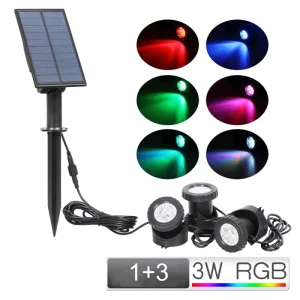
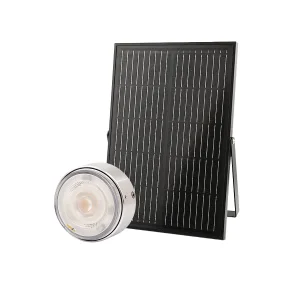
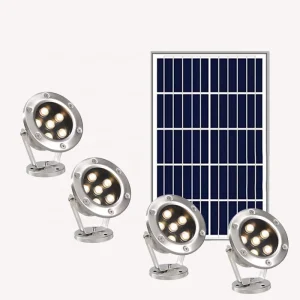
For project managers, resort designers, and MEP contractors in regions like Metro Manila, Metro Cebu, and Davao, integrating solar lighting into larger water features requires specialized planning. Standard sub-surface niches are often difficult to retrofit with solar panels. We solve this by offering specialized system configurations:
How Shenzhen Alter Light Co., Ltd. builds durability and reliability into every pool light.
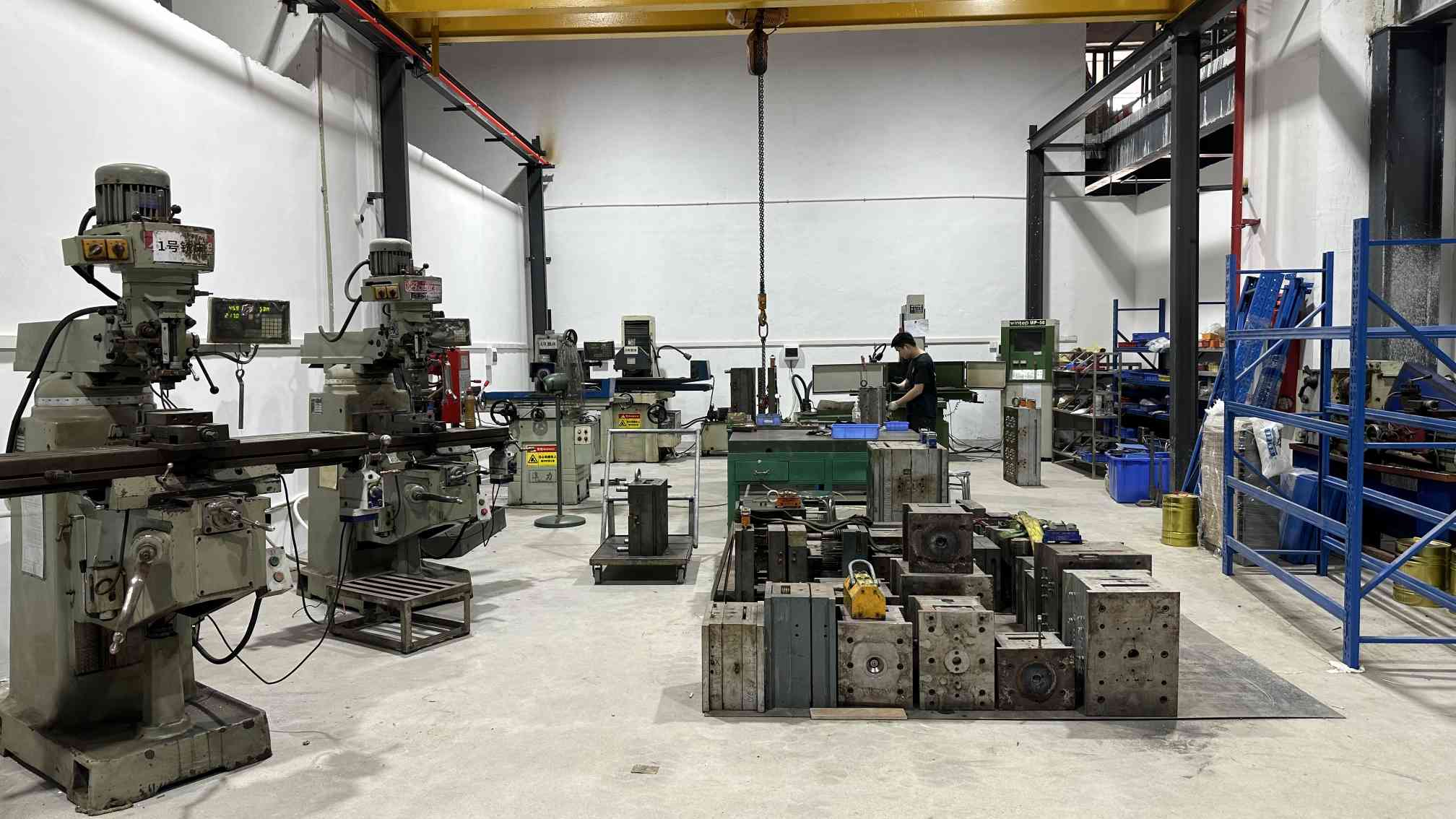
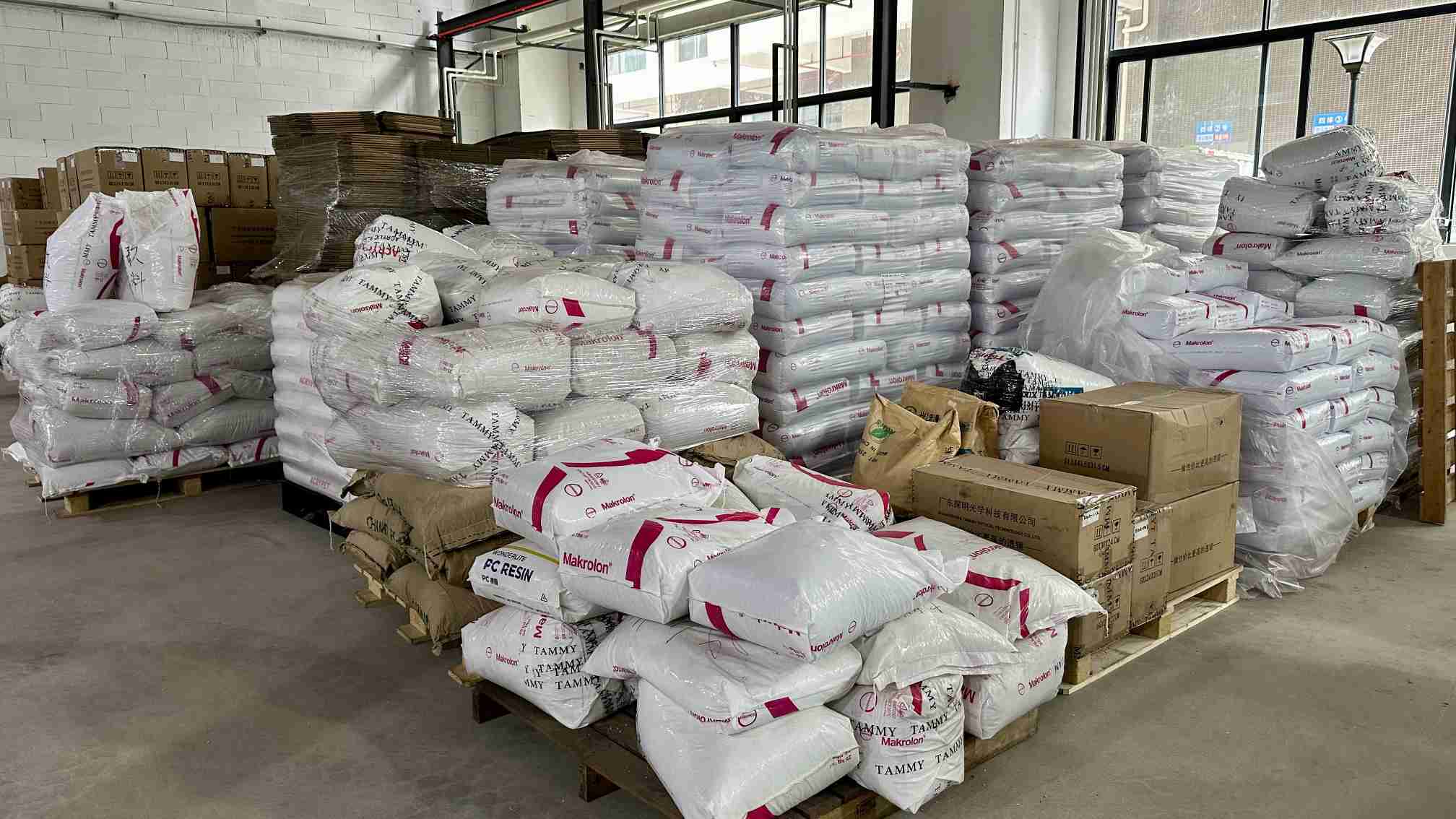
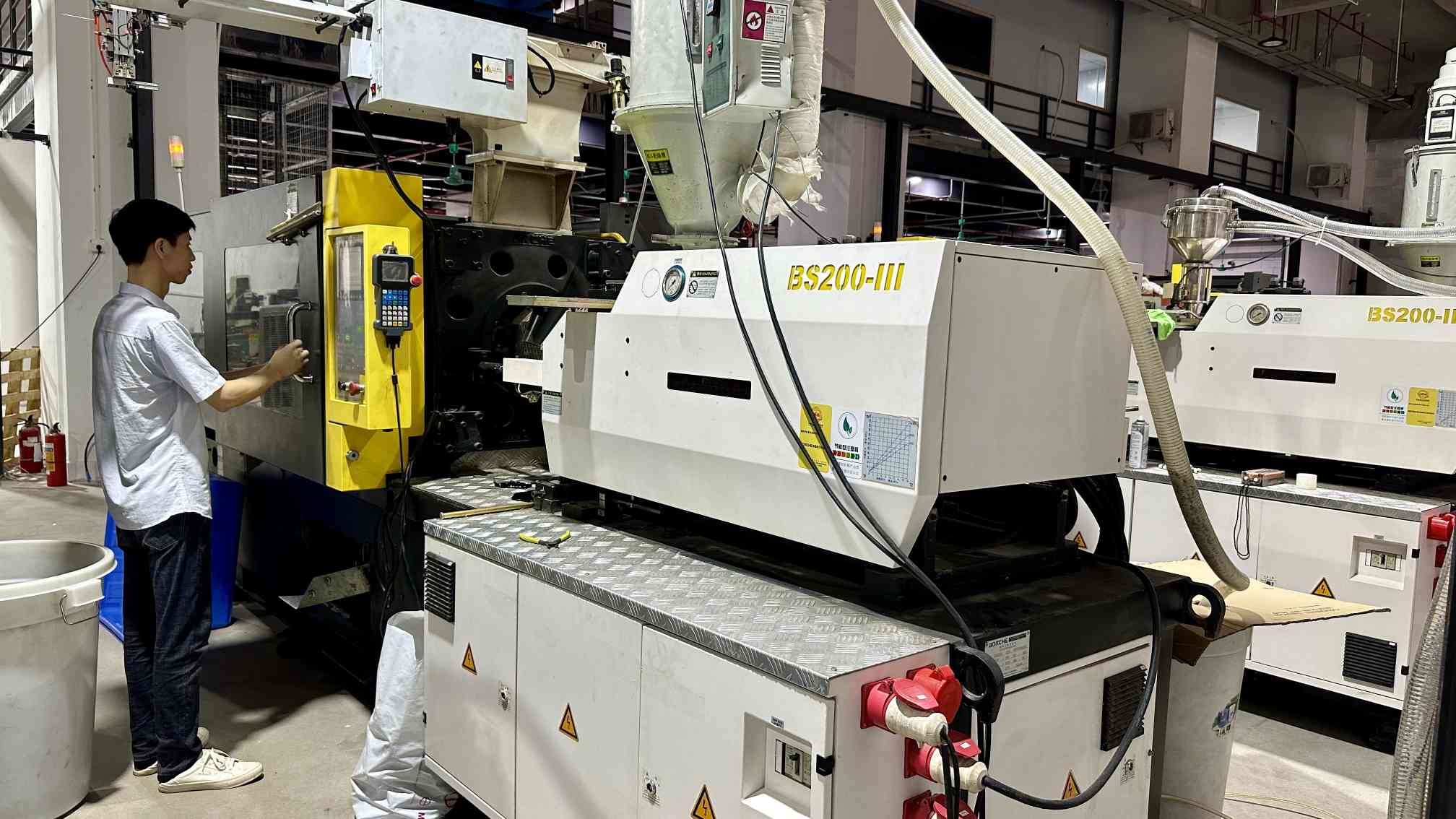
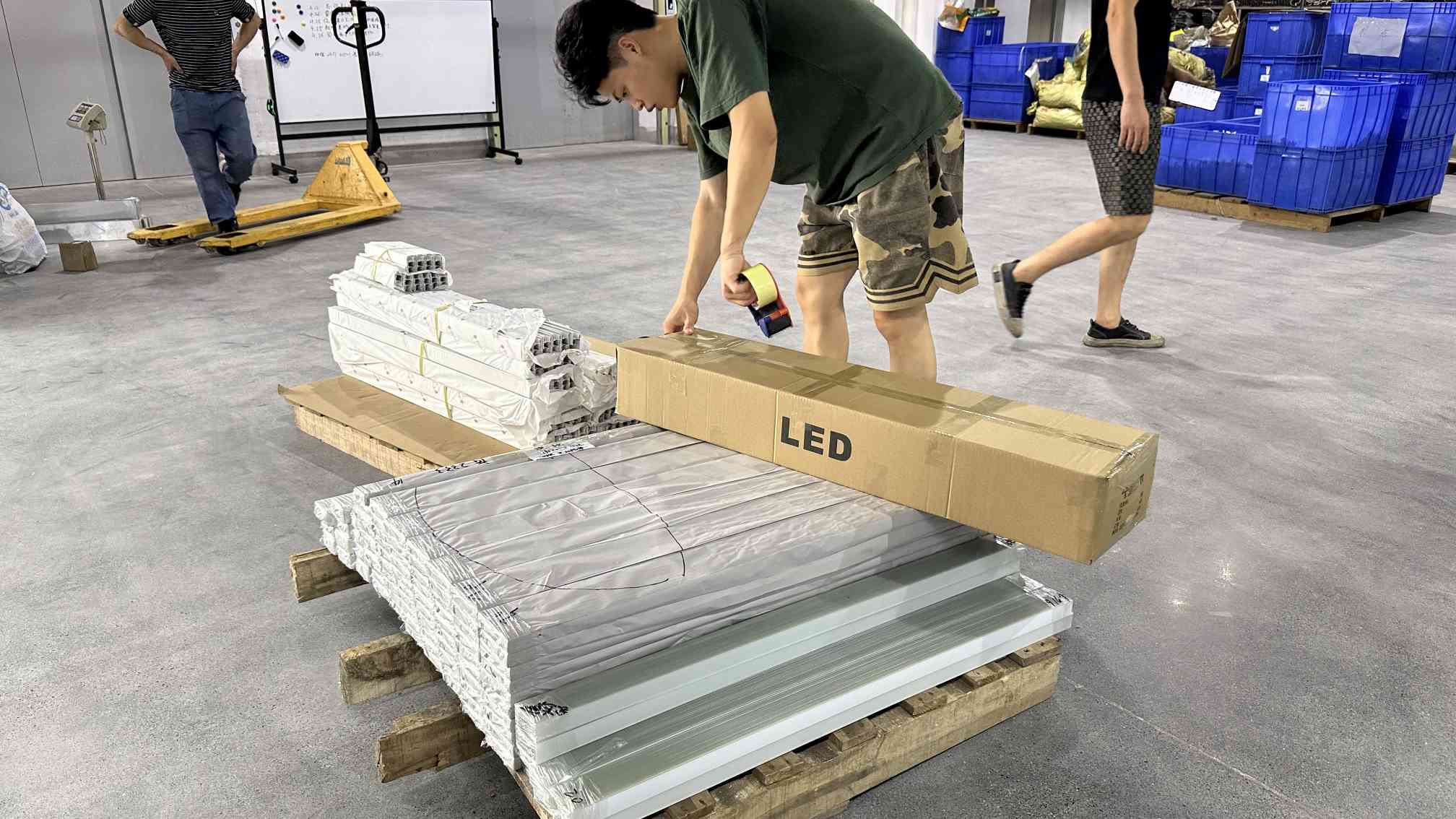
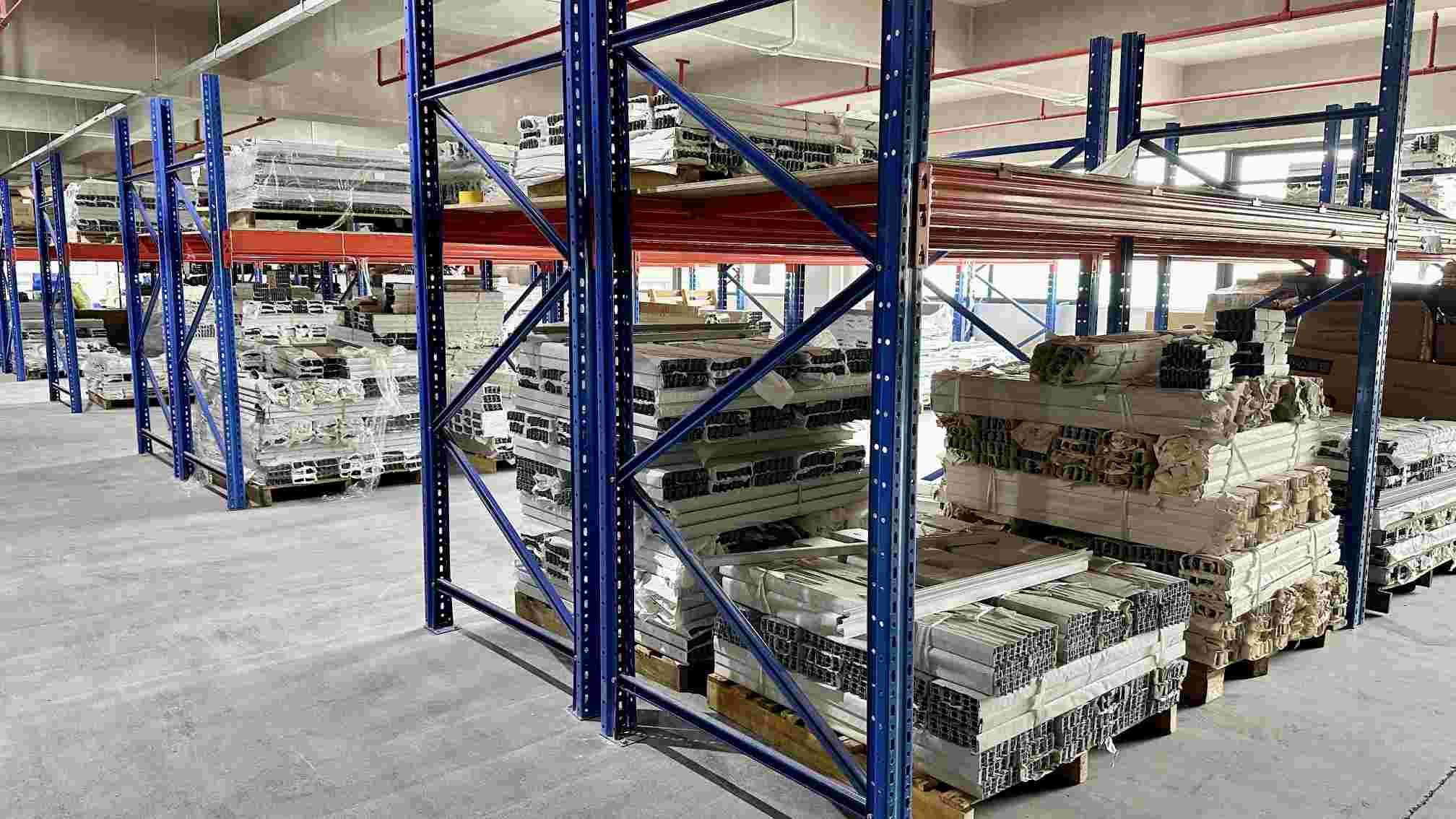
Shenzhen Alter Light Co., Ltd. operates a modern, innovation-driven production facility dedicated to underwater and landscape lighting. Our R&D team and quality assurance department design products to withstand demanding commercial and industrial environments.
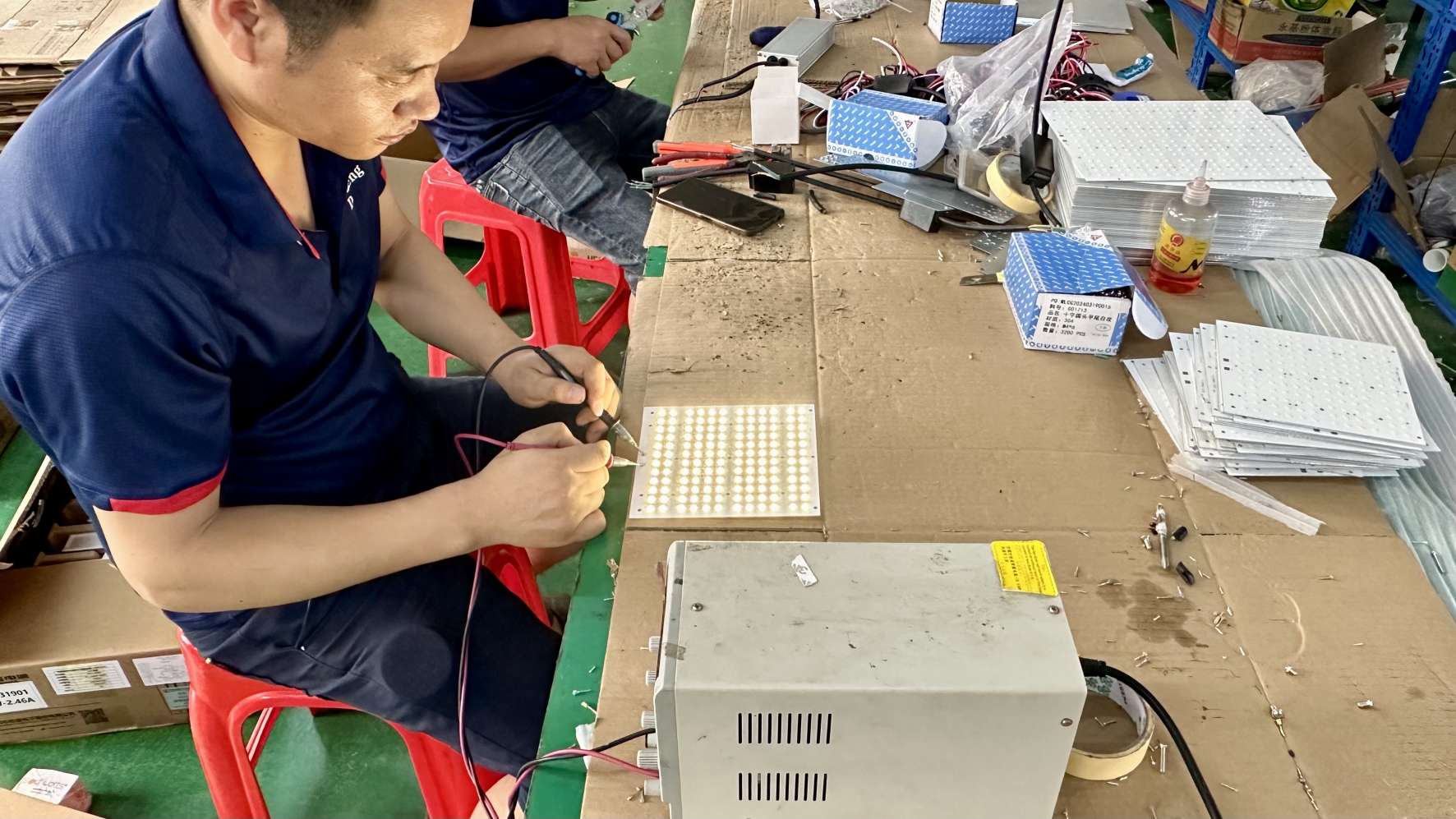
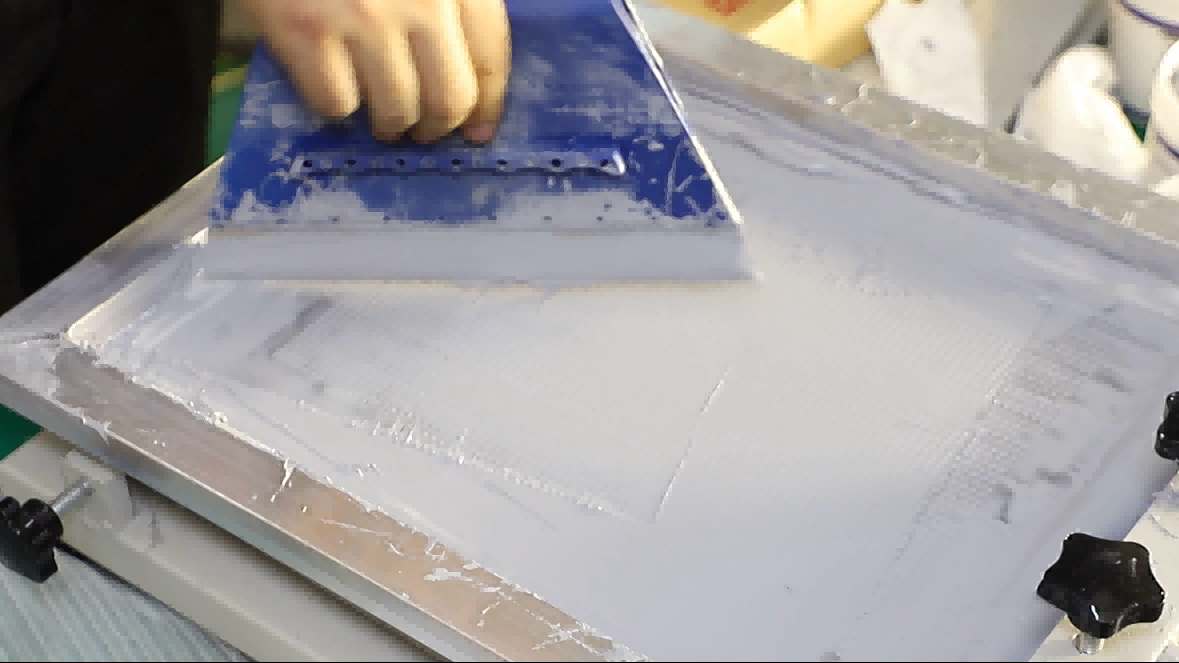
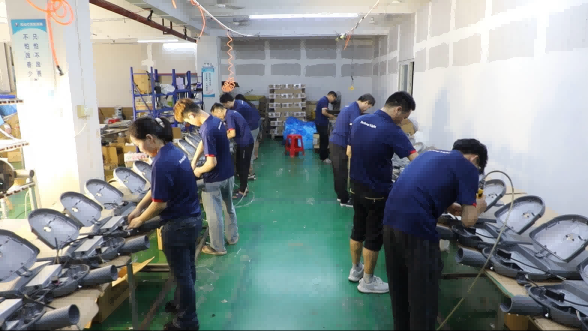
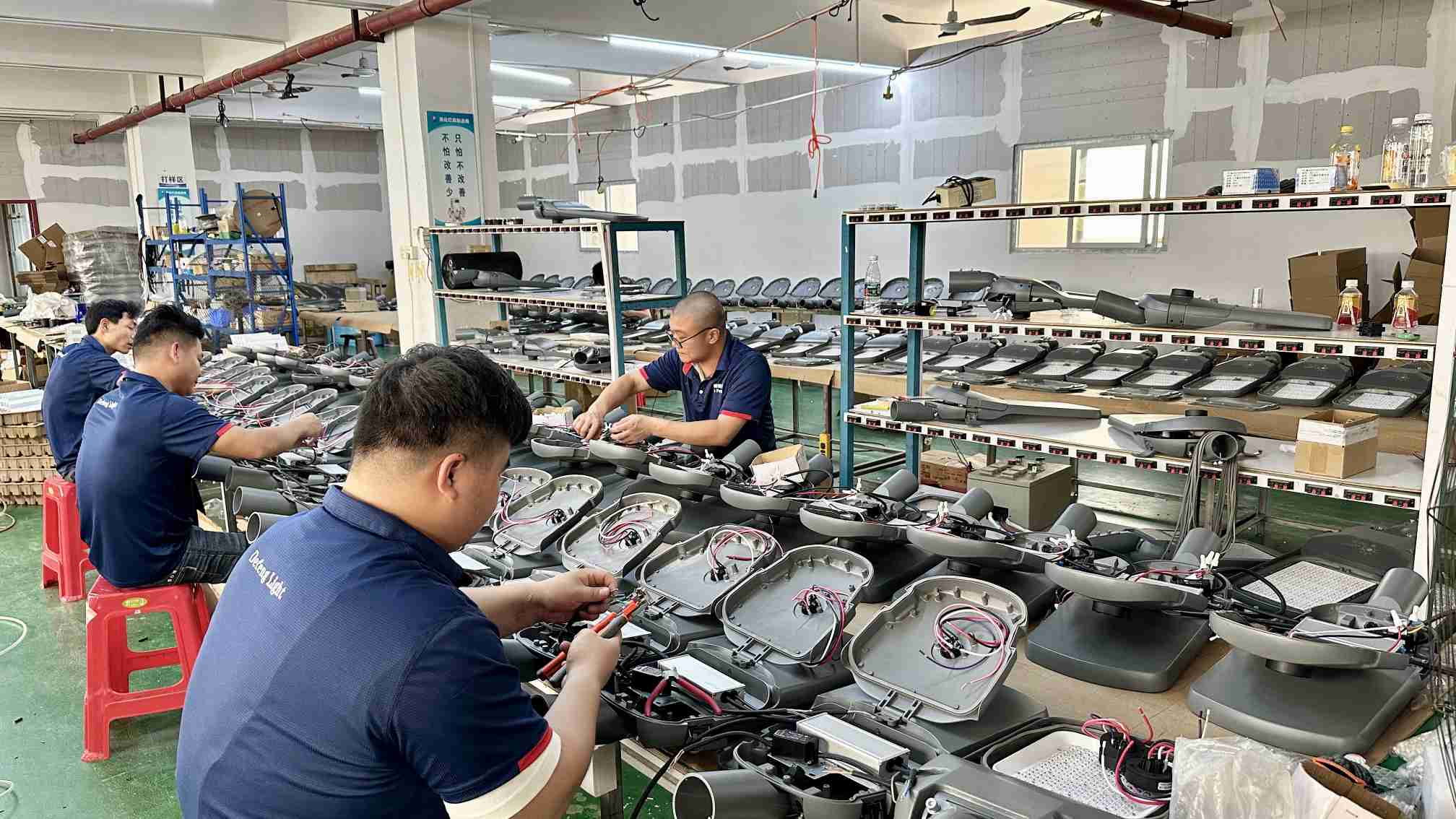
To maintain high reliability across our product range, we use automated precision manufacturing. Every fixture undergoes testing at multiple stages, including high-pressure waterproof testing, thermal management testing, and optical calibration. Our patented sealing systems ensure long-term stability and safety in demanding submersed environments.
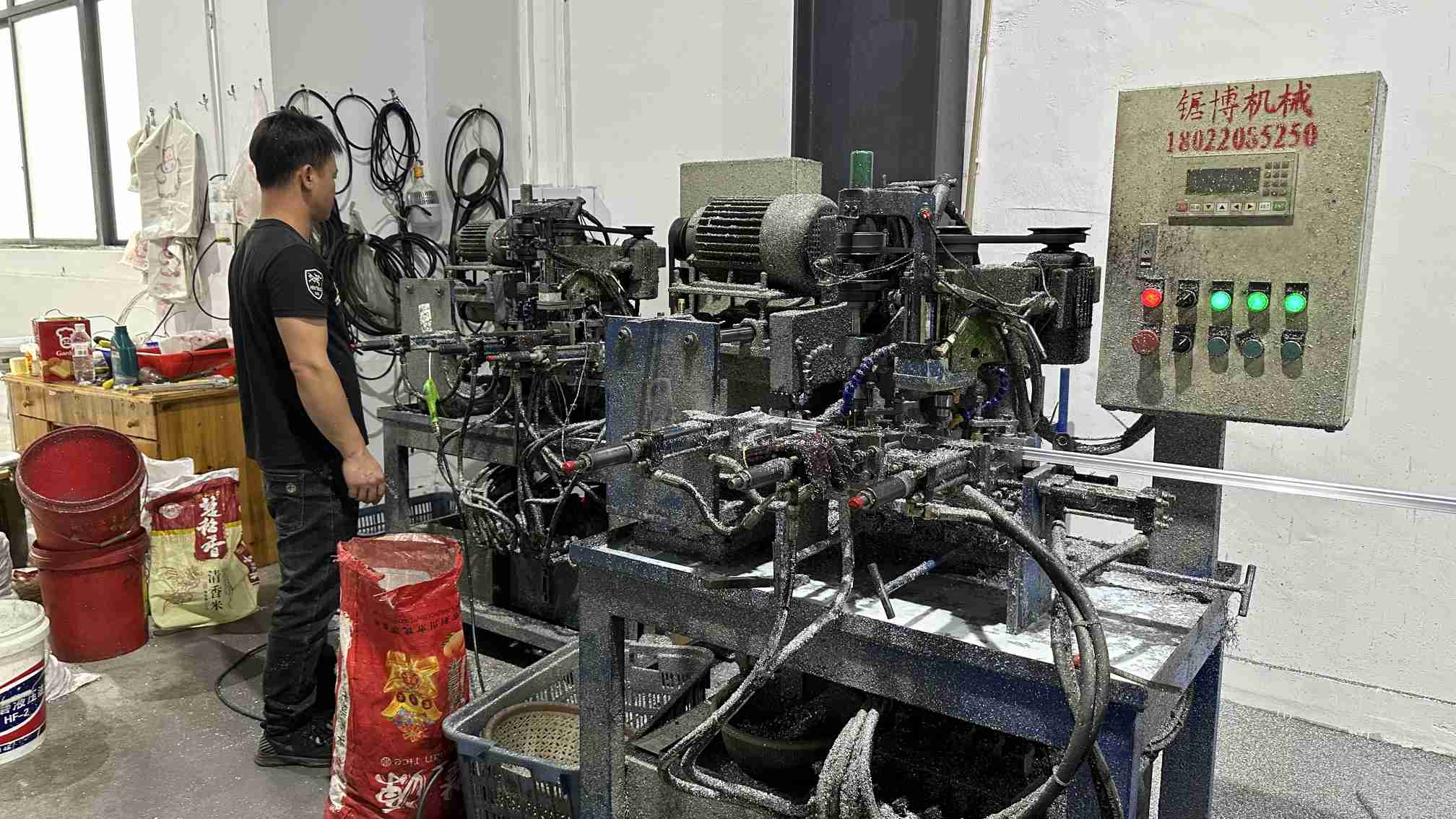
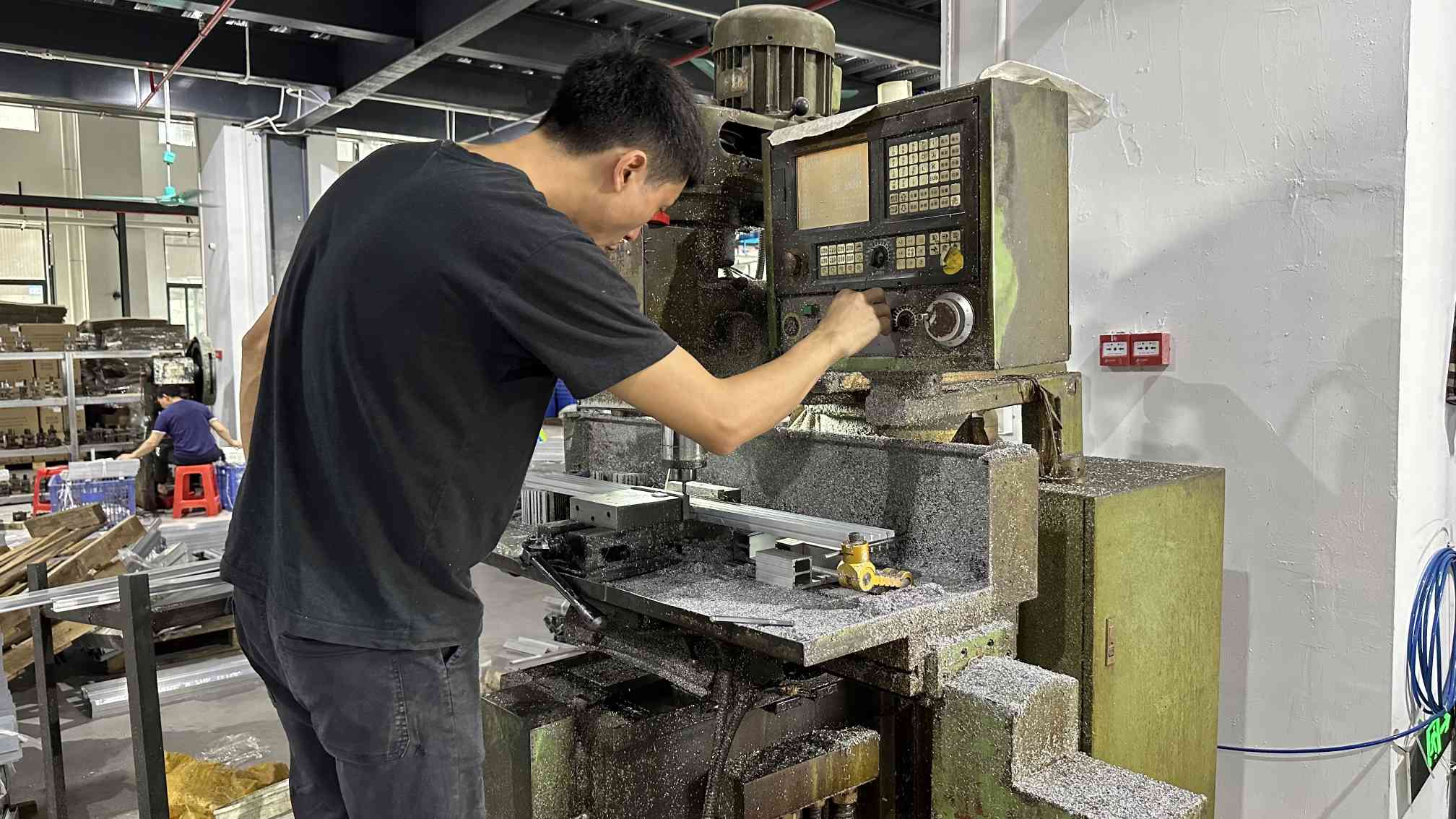
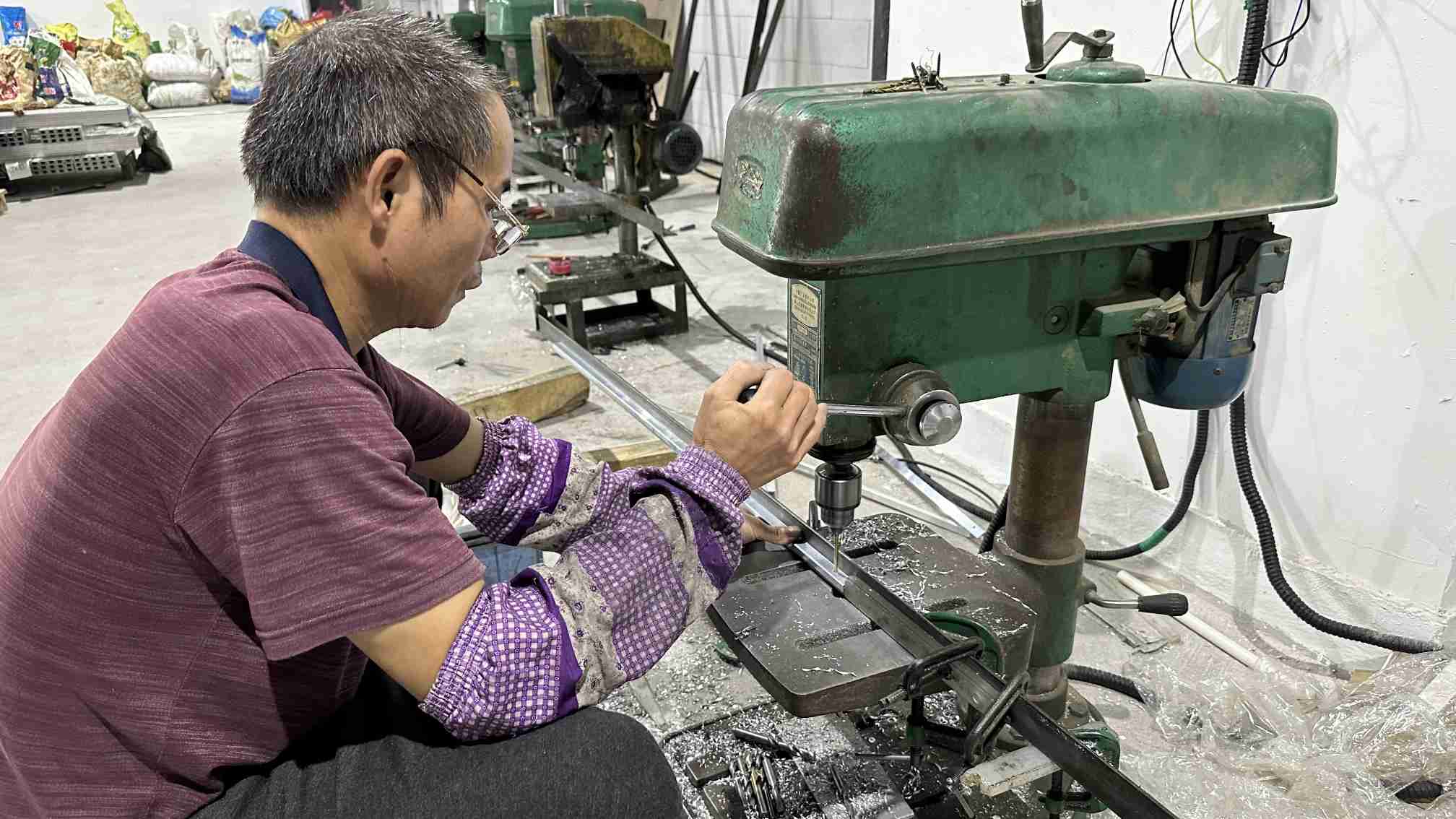
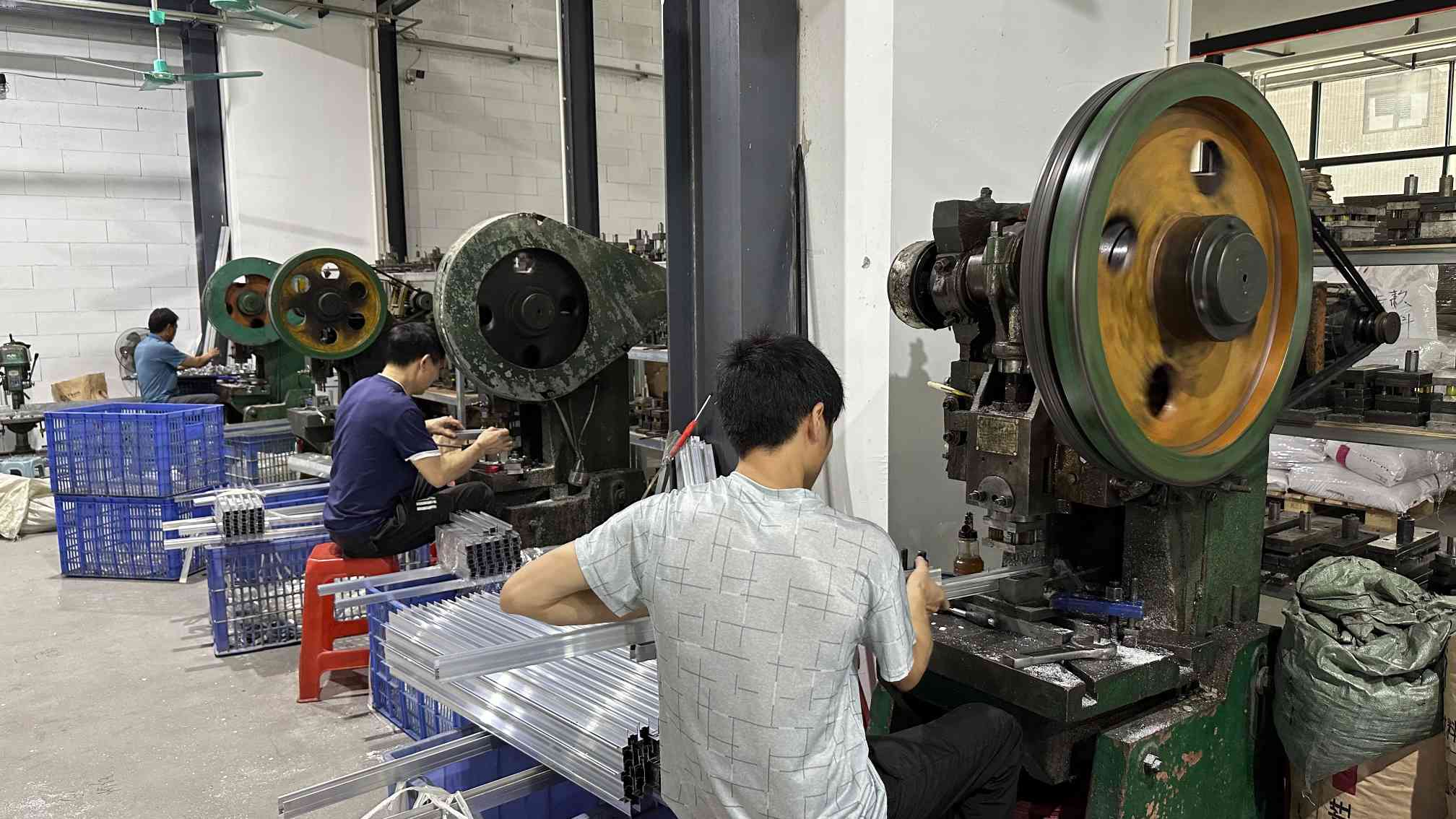
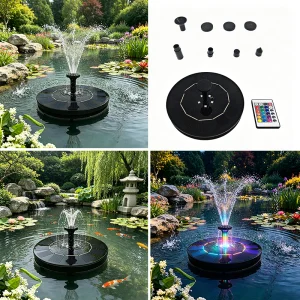
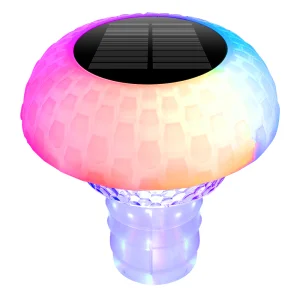
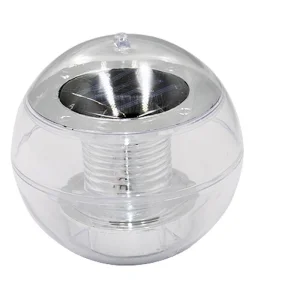
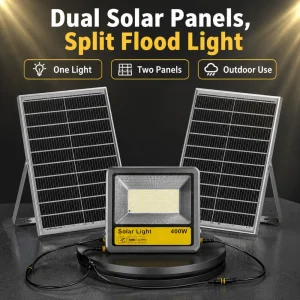
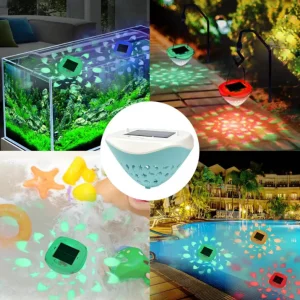
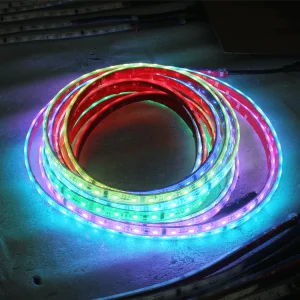
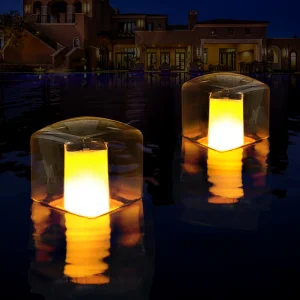
Explore our full line of commercial-grade underwater strip lights, spotlights, floating lamps, and high-power flood lighting.
Sourcing industrial electrical components from international suppliers requires adherence to Philippine standards. Lighting hardware installed in public or commercial aquatic facilities must meet localized building codes and safety standards:
Shenzhen Alter Light Co., Ltd. provides complete regulatory compliance documentation for engineering submissions, including CE certificates, IP68 testing reports, RoHS environmental compatibility statements, and detailed battery material safety sheets (MSDS).
We work closely with international engineering firms, regional distributors, and purchasing managers to deliver tailored solutions for high-volume orders. Our flexible production lines allow for extensive customization, including:
Our support structure includes technical SLAs, replacement policies, and direct communication channels with our engineering team in Shenzhen, ensuring dependable project execution.
Answers to common engineering and procurement questions regarding solar pool light installation and performance in the Philippines.
Get detailed product specifications, custom pricing matrices, and logistics assistance for the Philippine market.
Send Inquiry Now