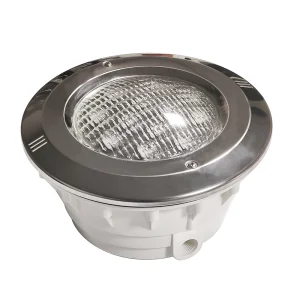
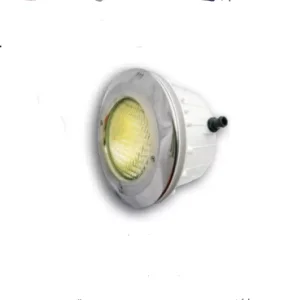
Advanced underwater engineering designed to withstand Southeast Asia’s extreme tropical climates and demanding operational parameters.
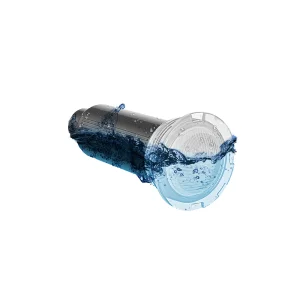
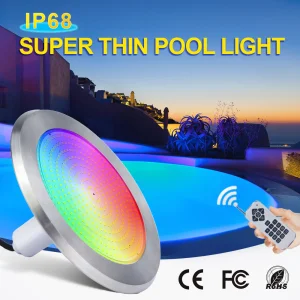
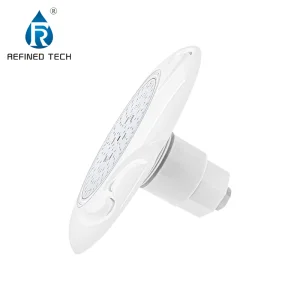
Analyzing key structural shifts, material challenges, and thermal performance indexes in humid equatorial climates.
Malaysia's geographic profile—characterized by high rainfall patterns, high water tables, and frequent clay-heavy ground shifting (particularly in Klang Valley, Johor, and Penang)—presents severe structural challenges for traditional concrete and gunite swimming pools. Ground movement often leads to hairline fractures in concrete shells, resulting in structural water loss that is costly to remediate.
Consequently, property developers and luxury villa planners are shifting toward vinyl liner and fiberglass pools. Vinyl liner swimming pools offer flexible waterproofing membranes that expand and contract alongside seismic and soil movements. However, this flexibility requires specialized lighting interfaces. Traditional niche-mounted lights designed for concrete cannot seal against flexible PVC liners without failing. Specialized clamping flanges and compression gaskets are necessary to achieve permanent watertight seals.
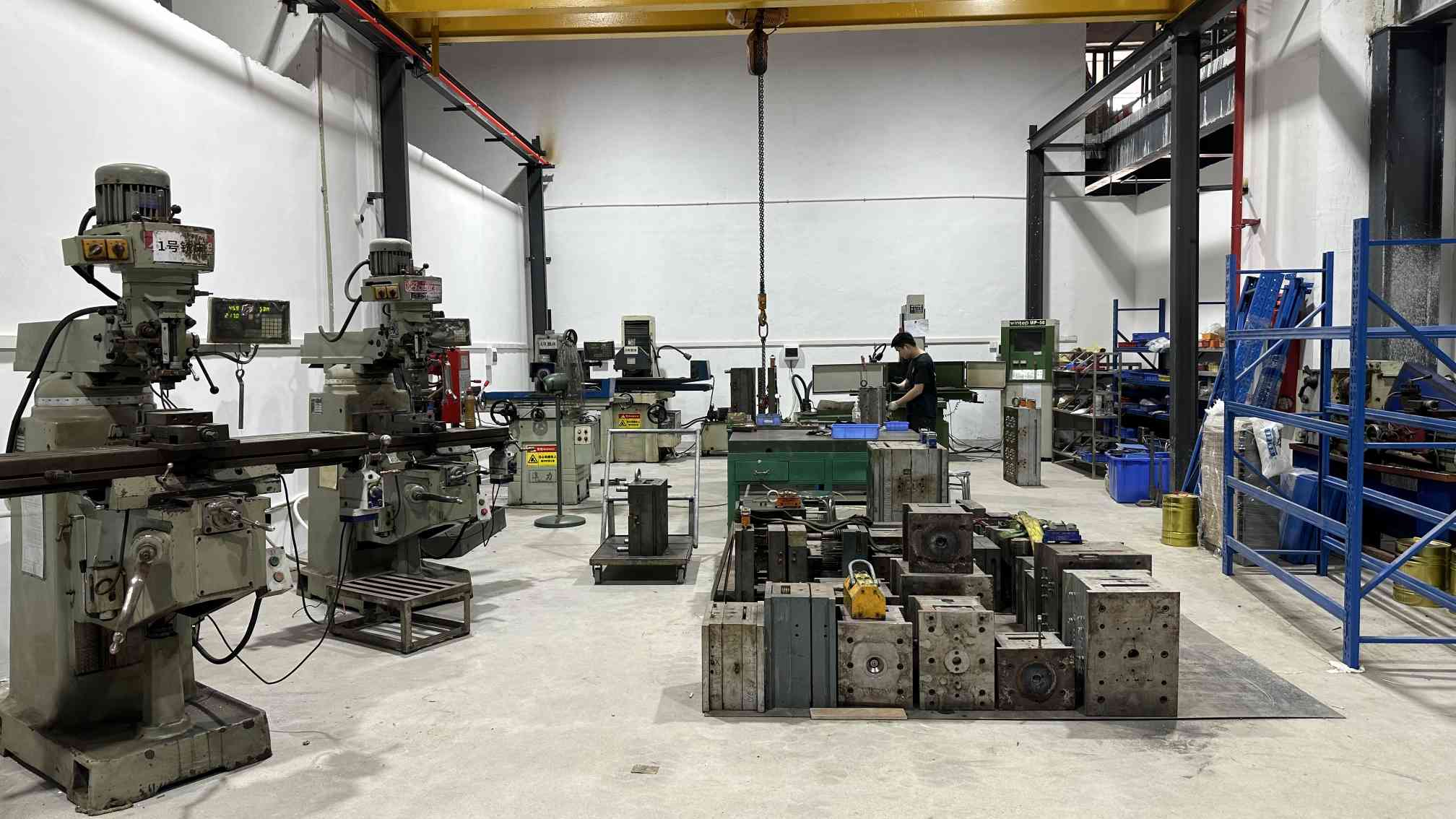
Engineered with dual thermoplastic polyurethane gaskets that clamp on both sides of the vinyl liner to prevent leaks under hydrostatic pressure.
Optimized polymer compounds designed to withstand continuous 32°C pool water temperatures and UV exposure common in equatorial regions.
Fully compliant with international safety standards, operating on 12V inputs to ensure safe underwater performance in high-humidity zones.
How Shenzhen Alter Light Co., Ltd. bridges the gap between state-of-the-art injection molding and localized supply demands in Malaysia.
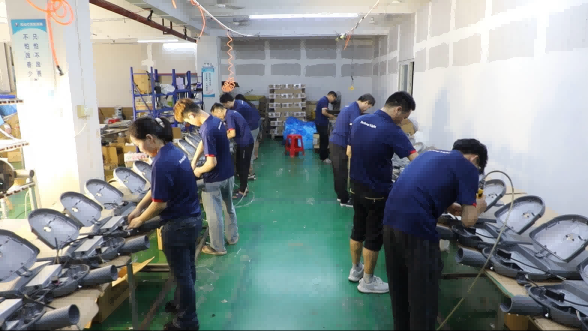
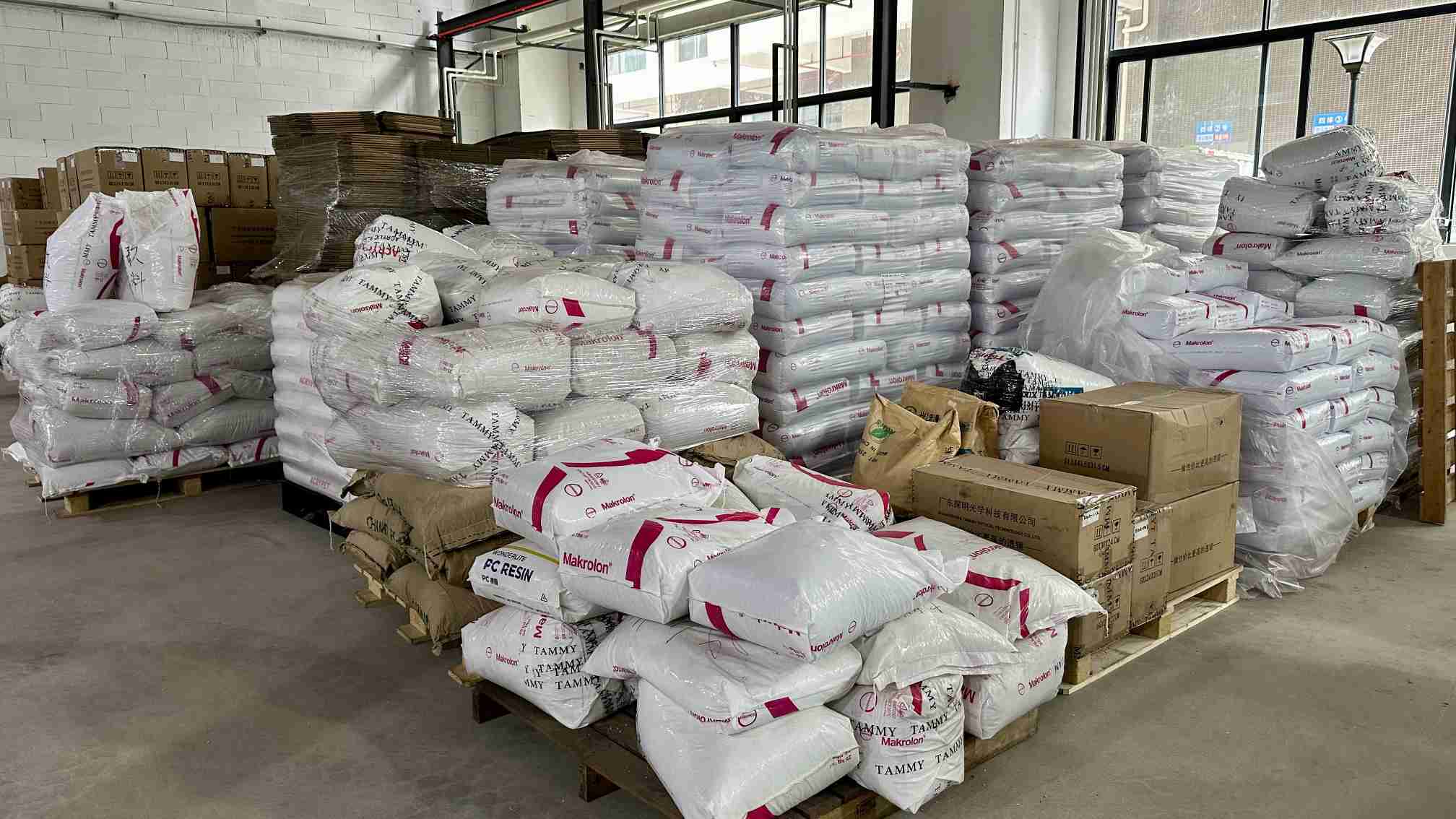
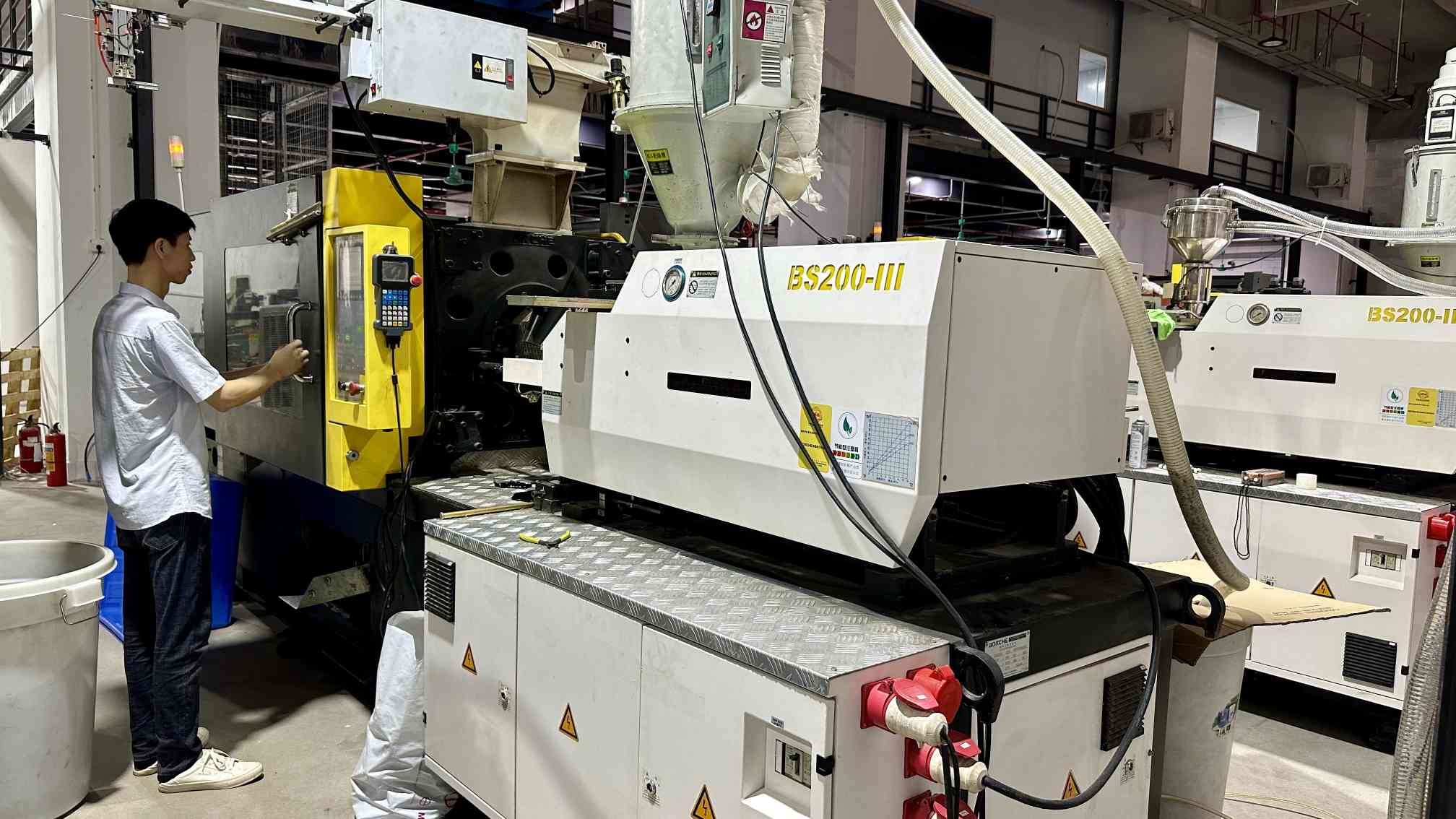
B2B pool contractors and municipal importers in Kuala Lumpur, Selangor, and East Malaysia require quick lead times, customizable cable lengths, and competitive pricing. Shenzhen Alter Light Co., Ltd. satisfies these requirements by running a fully integrated vertical manufacturing plant in Shenzhen, China's hardware capital. By housing everything from mould processing and raw material control to automated resin filling and pressure chamber testing under one roof, we shorten lead times while maintaining strict quality control.
Typical low-cost pool lights rely on mechanical silicone seals and hollow chambers. Over time, heat cycles expand the air inside, drawing moisture in and causing short circuits. Our high-performance pool lights feature fully resin-filled cavities.
By pouring high-purity polyurethane resin inside the casing, we eliminate air pockets. This design protects the internal LEDs and PCBs from water ingress, even if the outer lens is damaged. Additionally, the resin assists in heat dissipation, routing heat directly to the pool water to prolong the lifespan of the LEDs.
Explore our extensive range of threading, nicheless, surface-mounted, and PAR56 retrofitting fixtures engineered for global residential and commercial pool systems.
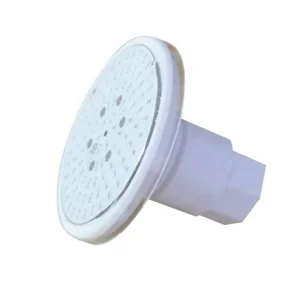
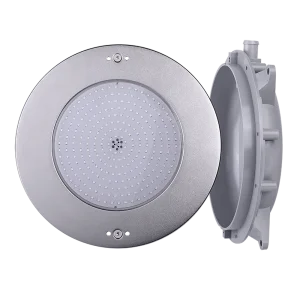
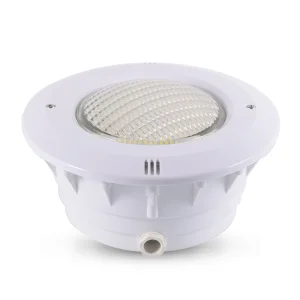
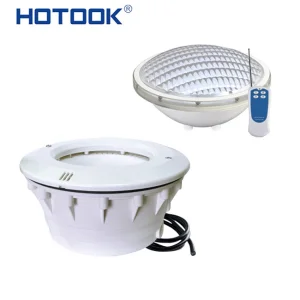
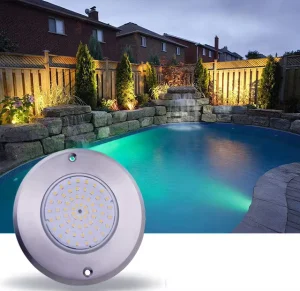
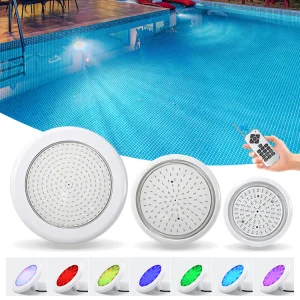
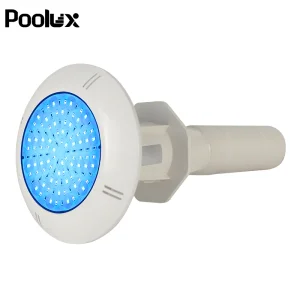
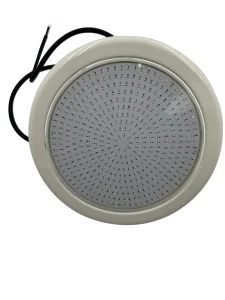
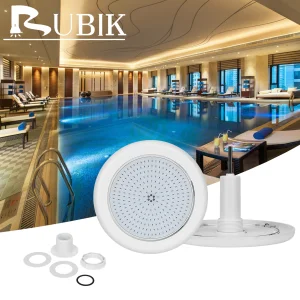
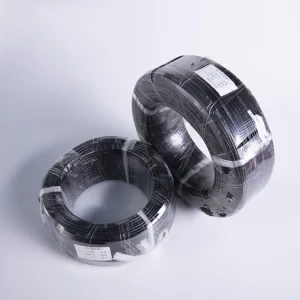
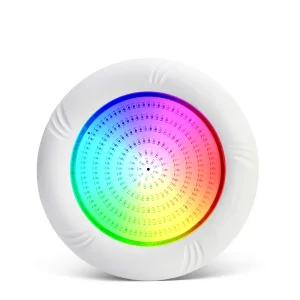
A comprehensive view inside Shenzhen Alter Light Co., Ltd.'s processing facilities, demonstrating our engineering capabilities.
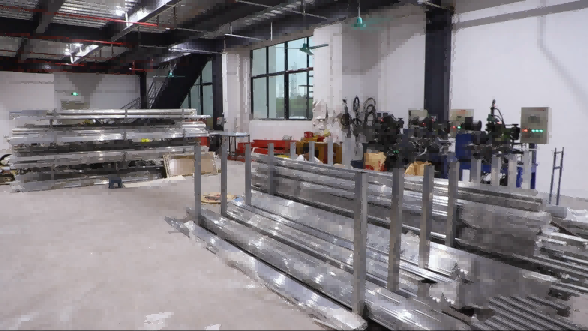
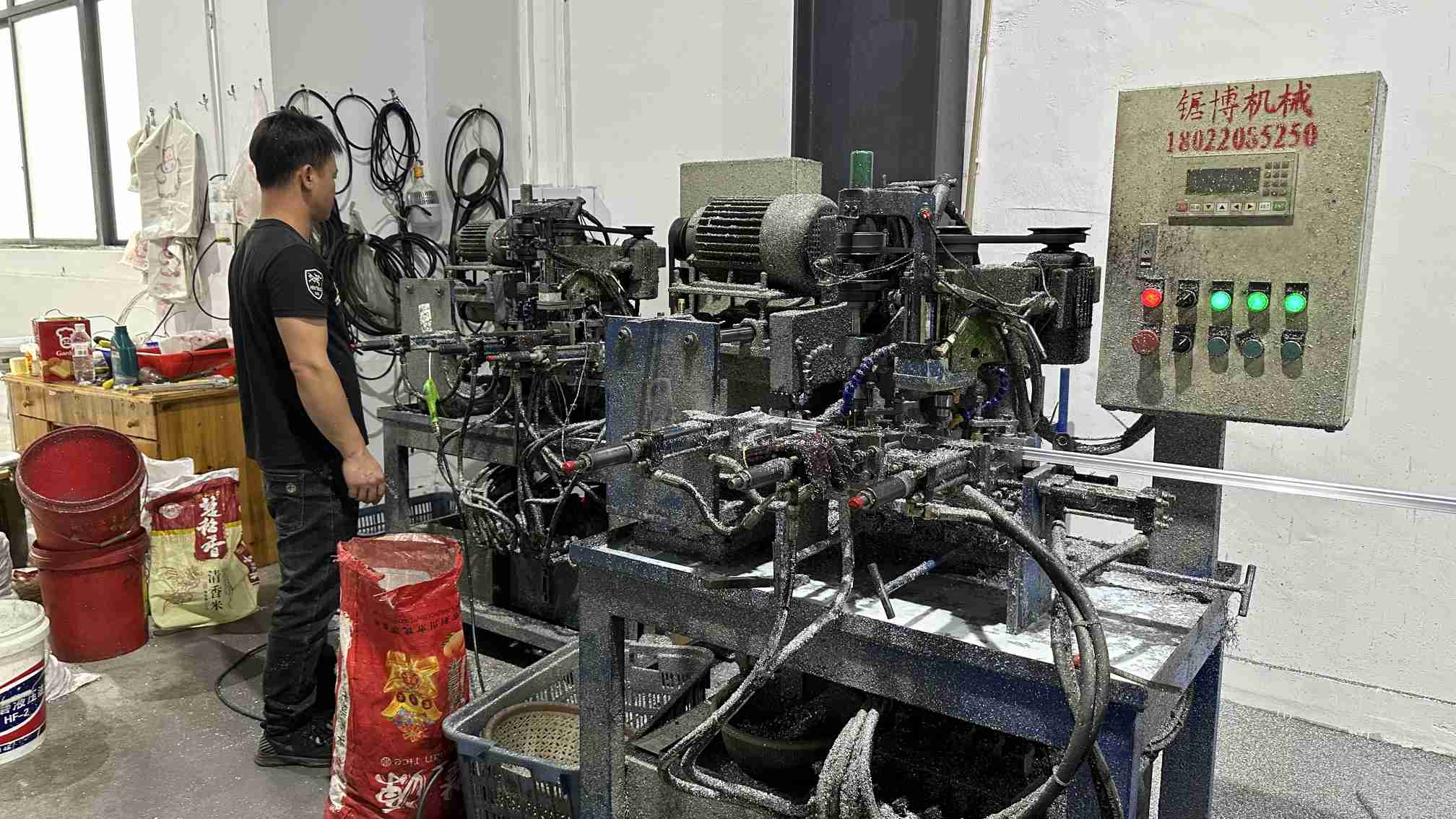
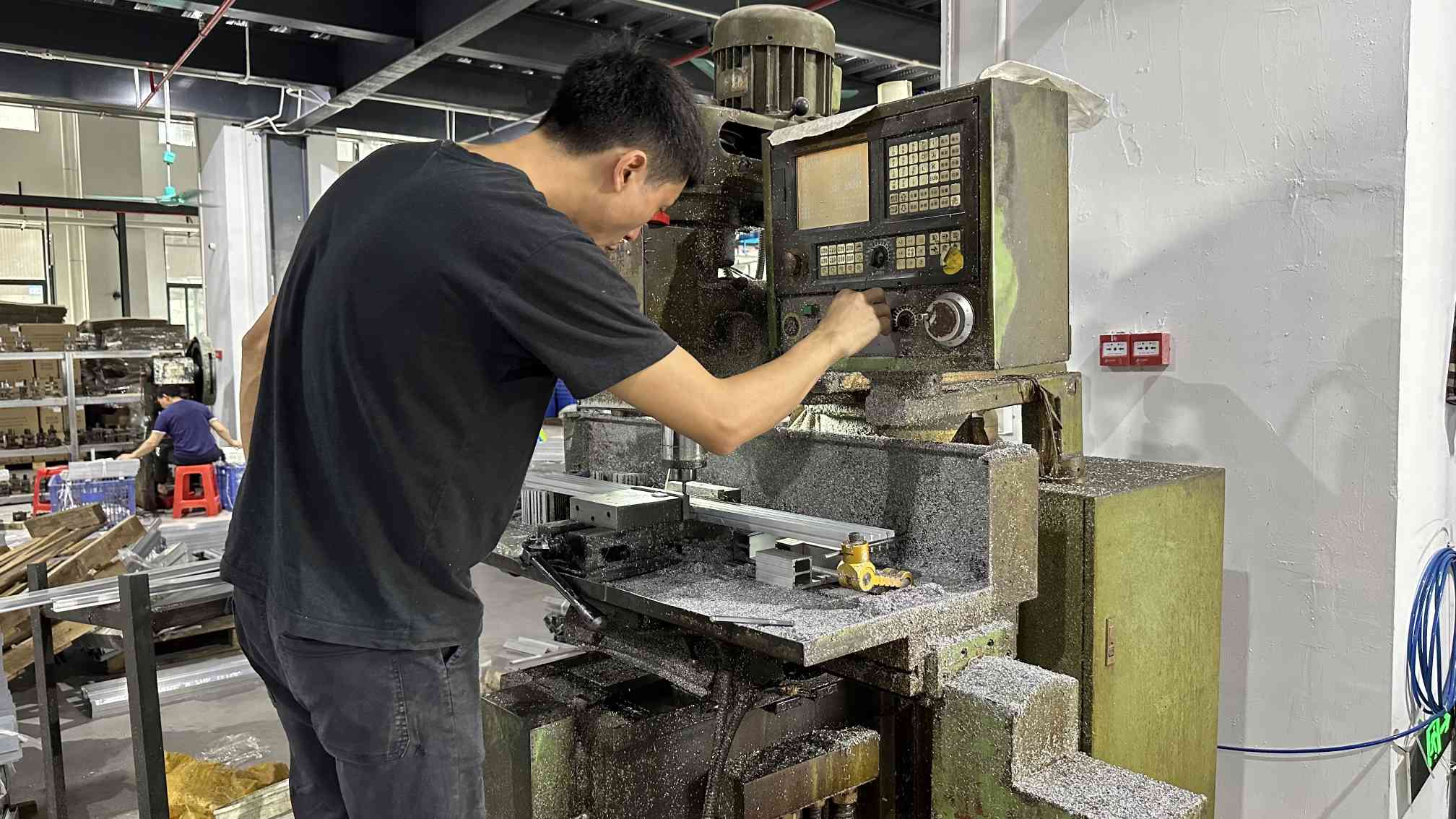
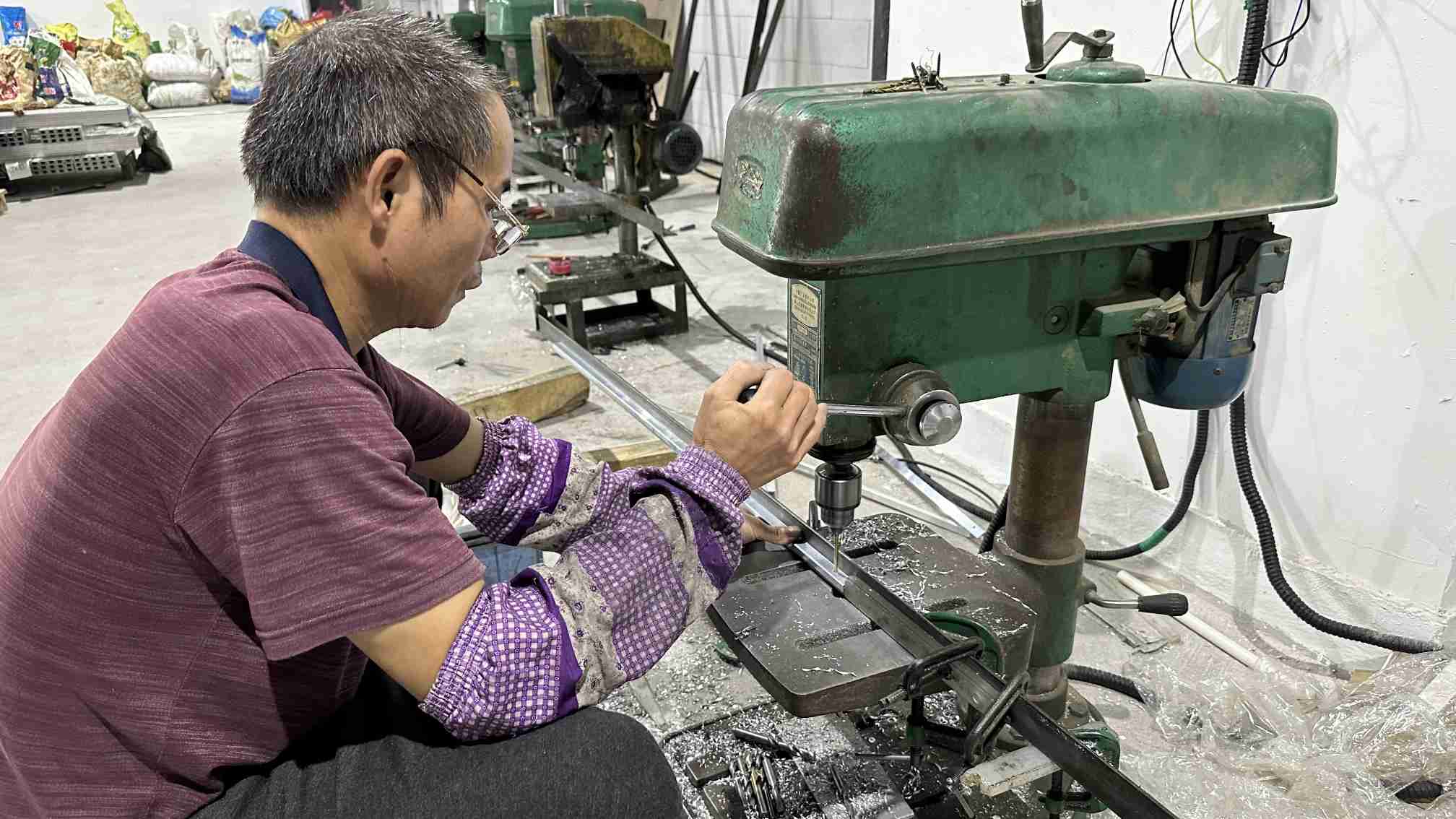
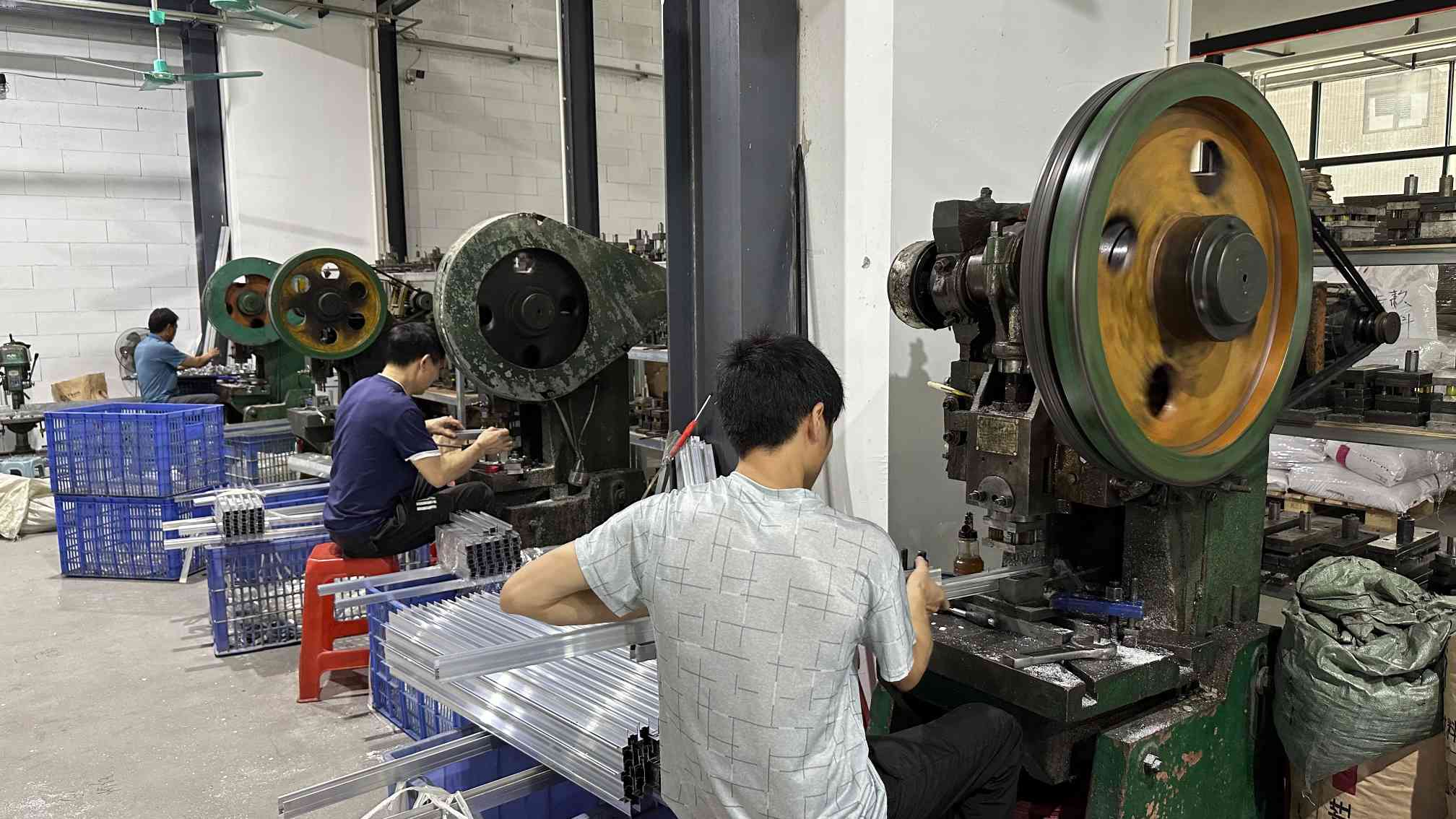
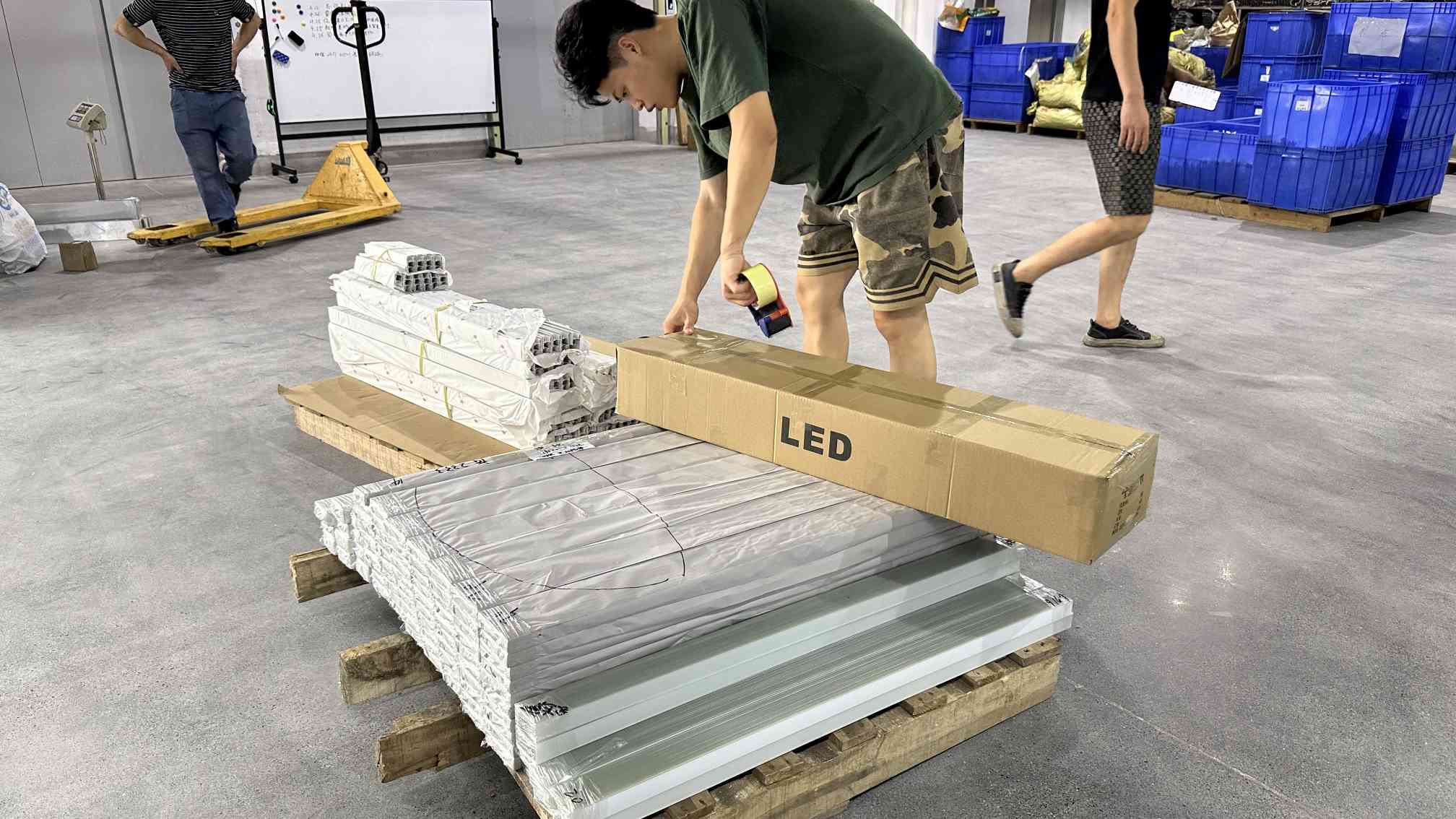
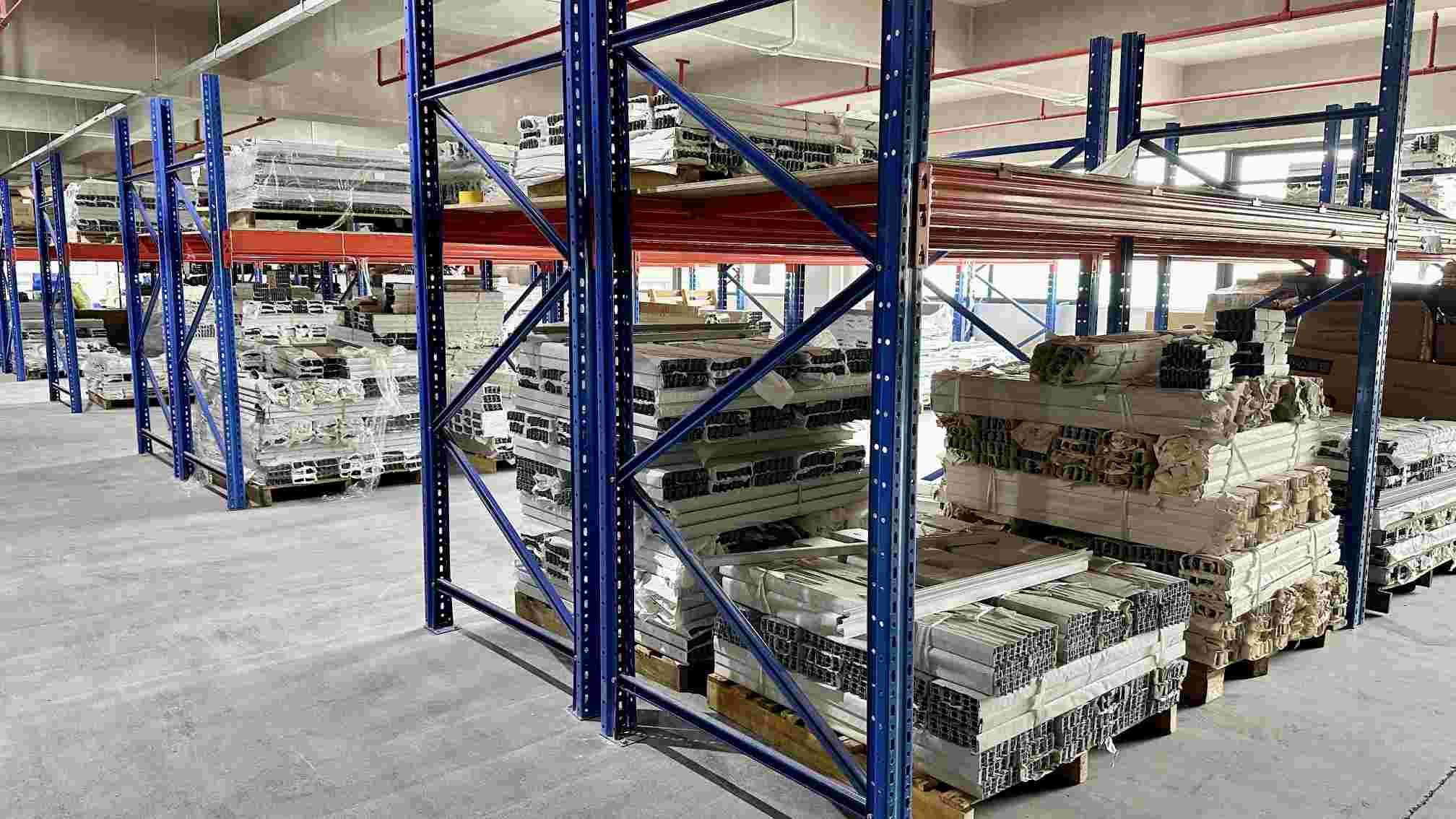
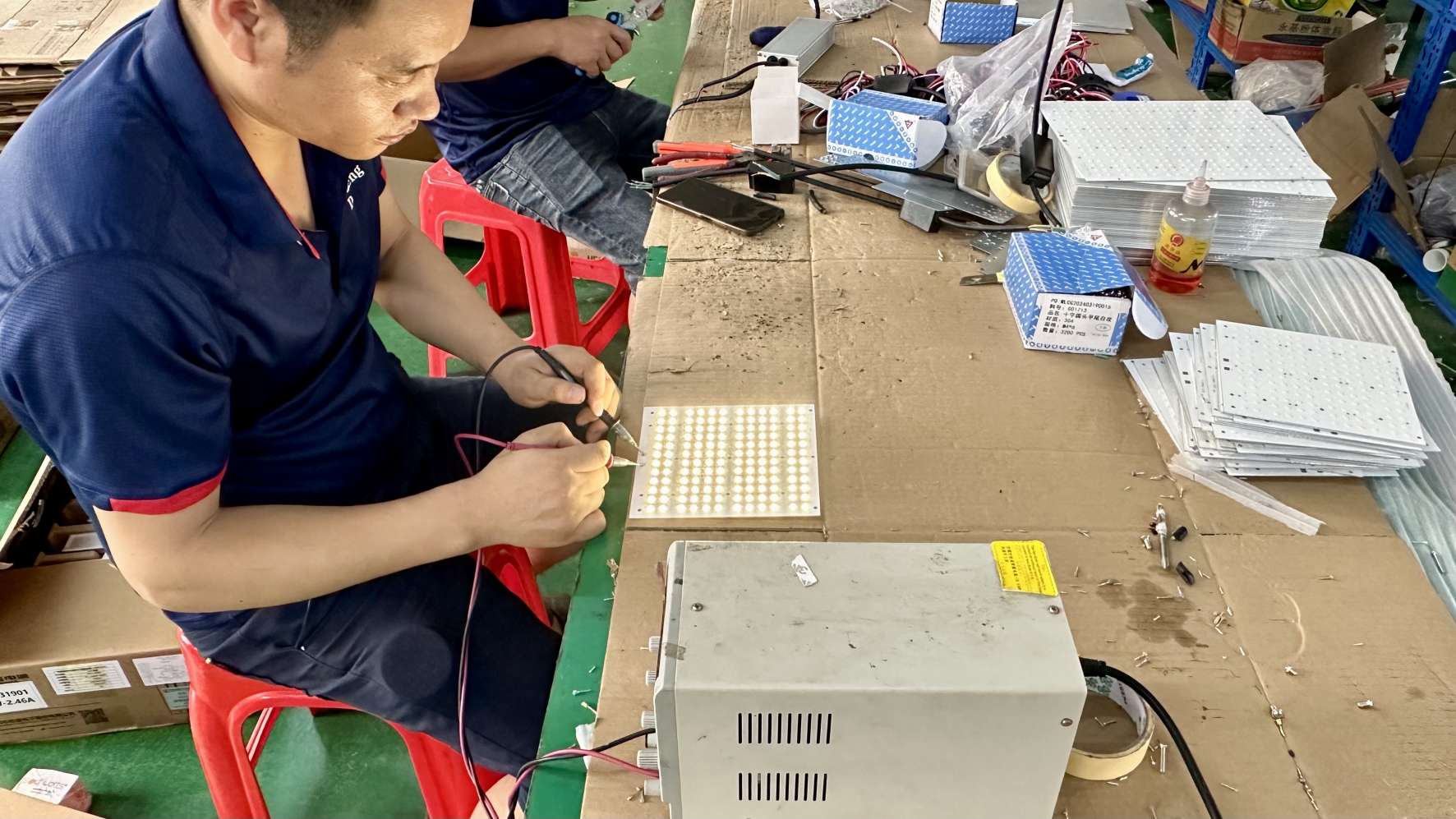
Crucial physical properties, cabling parameters, and installation specifications required by professional M&E consultants.
For large villa projects in Malaysia or commercial hotel pools globally, pool light locations can sit 30 to 100 feet away from the step-down transformers. Because pool lighting systems operate on safety low voltages (12V AC/DC), they are vulnerable to significant voltage drops across extended cable runs.
For example, running a 35W RGB light over 100 feet using thin 18 AWG cables can cause the operational voltage to drop below 9V. This results in unstable lighting, flickering, and incorrect colors. Alter Light's engineering team provides customized cable sizing calculations and uses heavy-gauge copper wires (up to 12 AWG or 14 AWG) to ensure stable power delivery and correct color mixing across all fixtures.
Additionally, we specialize in synchronous controls. Whether using standard 2-wire setups or smart IoT systems (such as Tuya or Zigbee), our drivers sync multiple lights across large municipal installations.
When selecting a light fixture for a vinyl liner pool, body materials play a key role in long-term durability. While stainless steel provides strength, standard 304 stainless steel can corrode in pools sanitized with salt-water chlorinators. For salt-chlorinated systems, we recommend marine-grade 316 Stainless Steel (316SS) or high-grade Polycarbonate (PC) and ABS plastic.
Polycarbonate offers impact strength and resistance to pool chemicals, while ABS provides cost-effective structural support. For projects that require both durability and chemical resistance, our hybrid models combine 316SS front plates with ABS bodies, offering a balanced solution for premium installations.
| Parameter | Standard Specification | Premium Engineering Option | Significance for Malaysia Projects |
|---|---|---|---|
| Waterproof Rating | IP68 (Resin-Encapsulated) | Fully Encapsulated Solid Core Resin | Prevents humidity and water ingress in warm climates. |
| Voltage Input | 12V AC | 12V–24V DC / AC Multi-compatibility | Ensures swimmer safety and complies with local regulations. |
| Materials | Engineered ABS + PC UV-Stabilized | 316 Marine Grade Stainless Steel (SS316) | Resists degradation from high UV index and salt chlorination. |
| Control Protocols | Switch Control / RF Remote | Wi-Fi / DMX512 / Tuya Smart App | Integrates easily with modern smart home automation systems. |
| Cable Length | 1.5 Meters (Standard) | Up to 100 Feet (Customized) | Compensates for voltage drop in large resort layouts. |
Expert answers addressing the practical issues encountered by B2B buyers, project engineers, and swimming pool distributors.