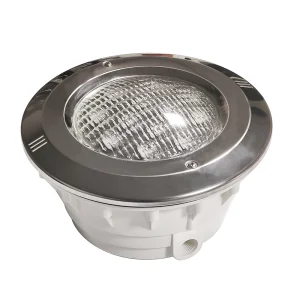
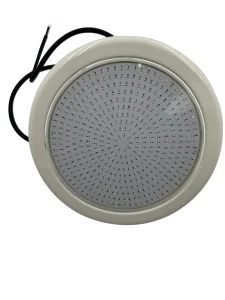
As the industrial powerhouse of Aichi Prefecture, the Nagoya metropolitan area demands a combination of engineering precision, robust waterproofing technology, and structural safety standards for pool components. In the Chubu region, commercial hospitality facilities, municipal water structures, and luxury residential pool designs are transitioning rapidly towards advanced vinyl liner systems. Unlike traditional concrete pools, vinyl liner swimming pools require customized mechanical fittings and seal integrity to withstand tectonic movements and temperature-induced soil expansion. Specifying structural-grade vinyl liner pool lights is no longer just an aesthetic concern; it is a structural engineering priority.
Shenzhen Alter Light Co., Ltd. serves the Nagoya market with high-performance, Japanese-standard compliant LED lighting systems. By engineering lights with specialized gasket kits, threaded housings, and high-impact polycarbonate materials, we ensure that municipal and private operators in Nagoya, Toyota City, and Okazaki enjoy uninterrupted performance. We address specific regional challenges such as the high humidity of coastal Aichi, seismic vibration resistance, and the stringent electrical compliance parameters enforced by Japanese safety boards.
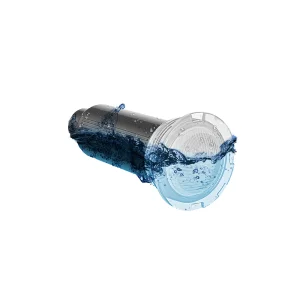
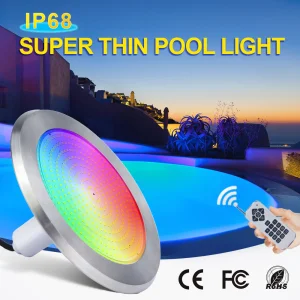
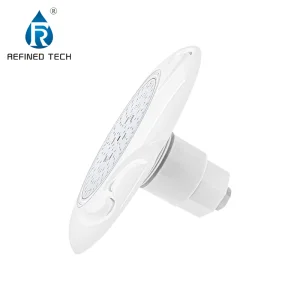
Installing lights in a vinyl liner swimming pool requires a deeper mechanical understanding than concrete niches. Because the liner acts as a flexible, soft membrane holding water, any structural penetration is a potential point of failure. High water pressures combined with the dynamic shifts of ground movements in the Aichi Prefecture can stress the seals, causing minor leaks that rust support beams and destroy pool foundations.
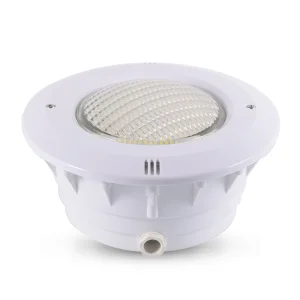
Many standard suppliers use low-grade stainless steel screws or plastic housings that crack when exposed to Japanese winter freezing conditions and chemical chlorination. Our SS316 marine-grade hardware prevents galvanic corrosion, while high-impact engineered ABS plastics retain elasticity, absorbing structural stresses without deforming the compression gaskets.
Underwater LEDs need efficient thermal dissipation. Standard air-filled lights trap heat within the niche, lowering diode life and causing the plastic lens to turn yellow. By utilizing resin-filled potting technology, the internal cavity of our lights is sealed with a thermally conductive epoxy. This design removes air pockets and transfers heat directly to the surrounding pool water, increasing operational lifespan beyond 50,000 hours.
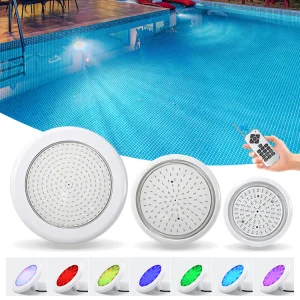
Modern lighting designs in Nagoya’s luxury hotels and public parks require coordinated control interfaces. Our low-voltage 2-wire synchronized controller allows seamless integration with DMX512 or Tuya smart home protocols, operating safely under low 12V AC/DC parameters. This design keeps human exposure well below domestic safety margins while allowing full control over color gradients and scheduling.
The international swimming pool industry is shifting towards low-carbon, highly automated systems. In regions like North America and Europe, energy-saving mandates are driving the transition from 300W halogen bulbs to 30W LED arrays. In Nagoya, this shift is supported by carbon-neutral city planning goals (Nagoya Climate Change Mitigation Action Plan). Pool builders are choosing high-lumen, low-draw fixtures to meet green building certifications (such as CASBEE in Japan).
As a direct manufacturing supplier, Shenzhen Alter Light Co., Ltd. balances manufacturing efficiency with local engineering needs. We provide:
Lighting needs vary based on location and installation environment. Here is how we customize our vinyl liner pool lights for specific applications:
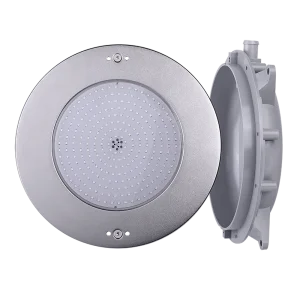
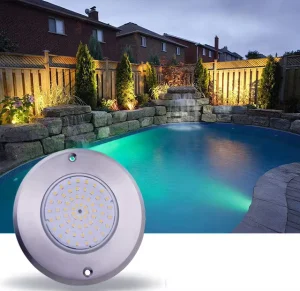
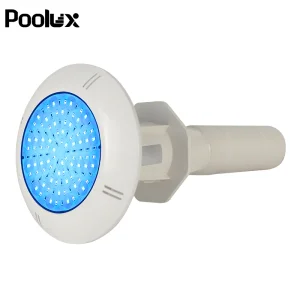
High-end homes require low-profile, aesthetic lighting. The ultra-slim Huaxia 1-1/2inch 316SS Series sits flush against the liner wall. This reduces risk of impact from pool cleaners and swimmers, while the RGB color control integrates easily with home automation systems.
Commercial hot-spring and wellness pools require lights that can handle elevated water temperatures and trace minerals. Our fully resin-filled LED pool lights prevent steam condensation within the housing and withstand temperatures up to 45°C.
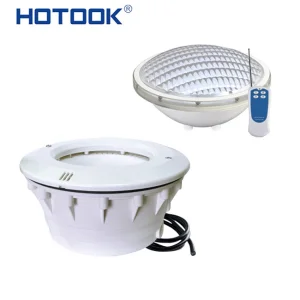
Public pools prioritize safety and uniform light spread. Our high-lumen PAR56 replacement series provides clear underwater visibility, reducing dark zones and supporting the safety of lifeguards and swimmers.
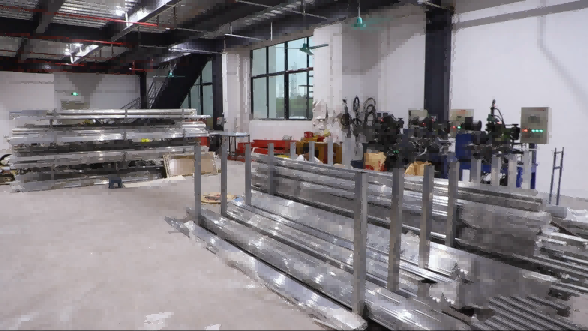
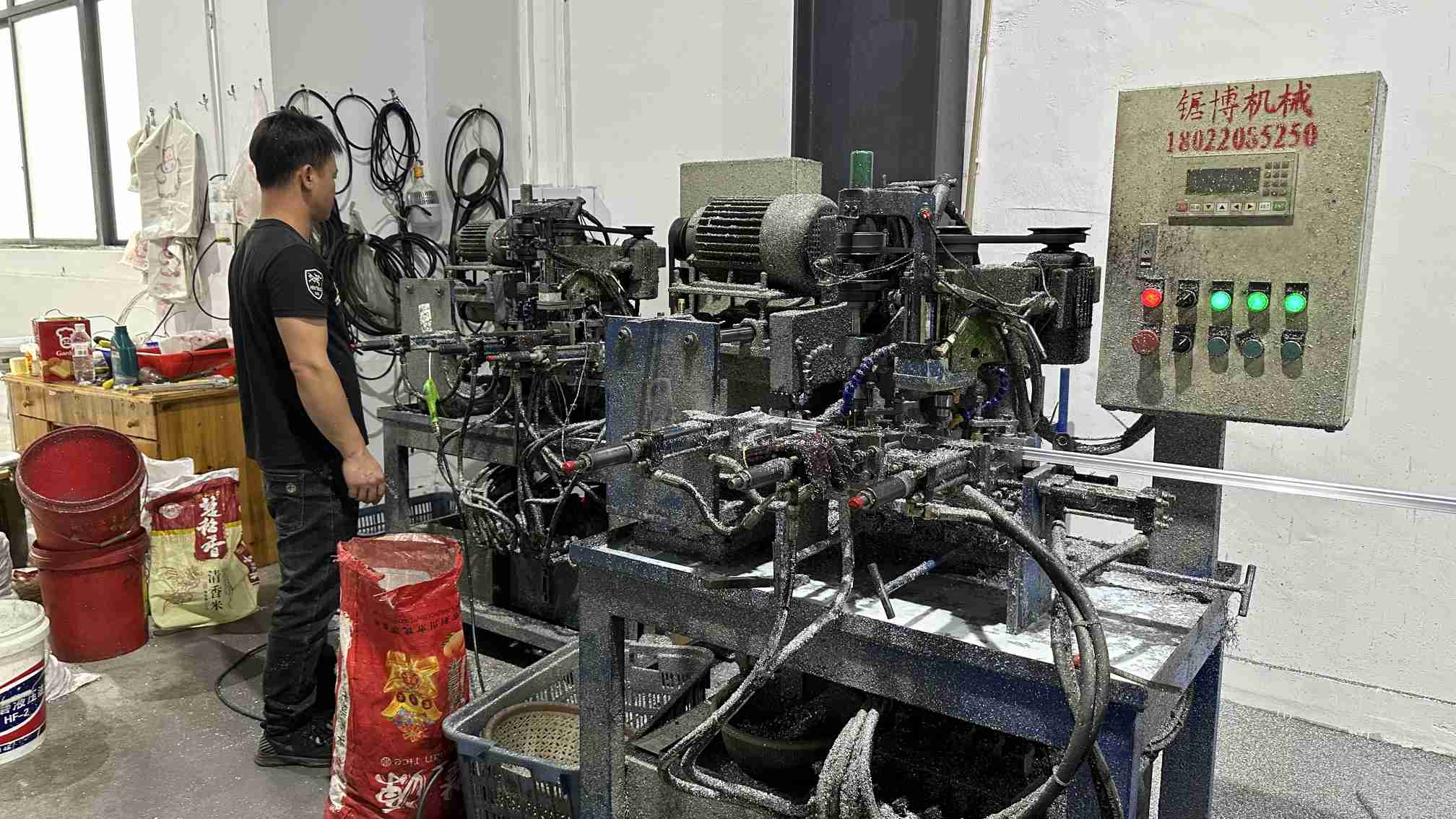
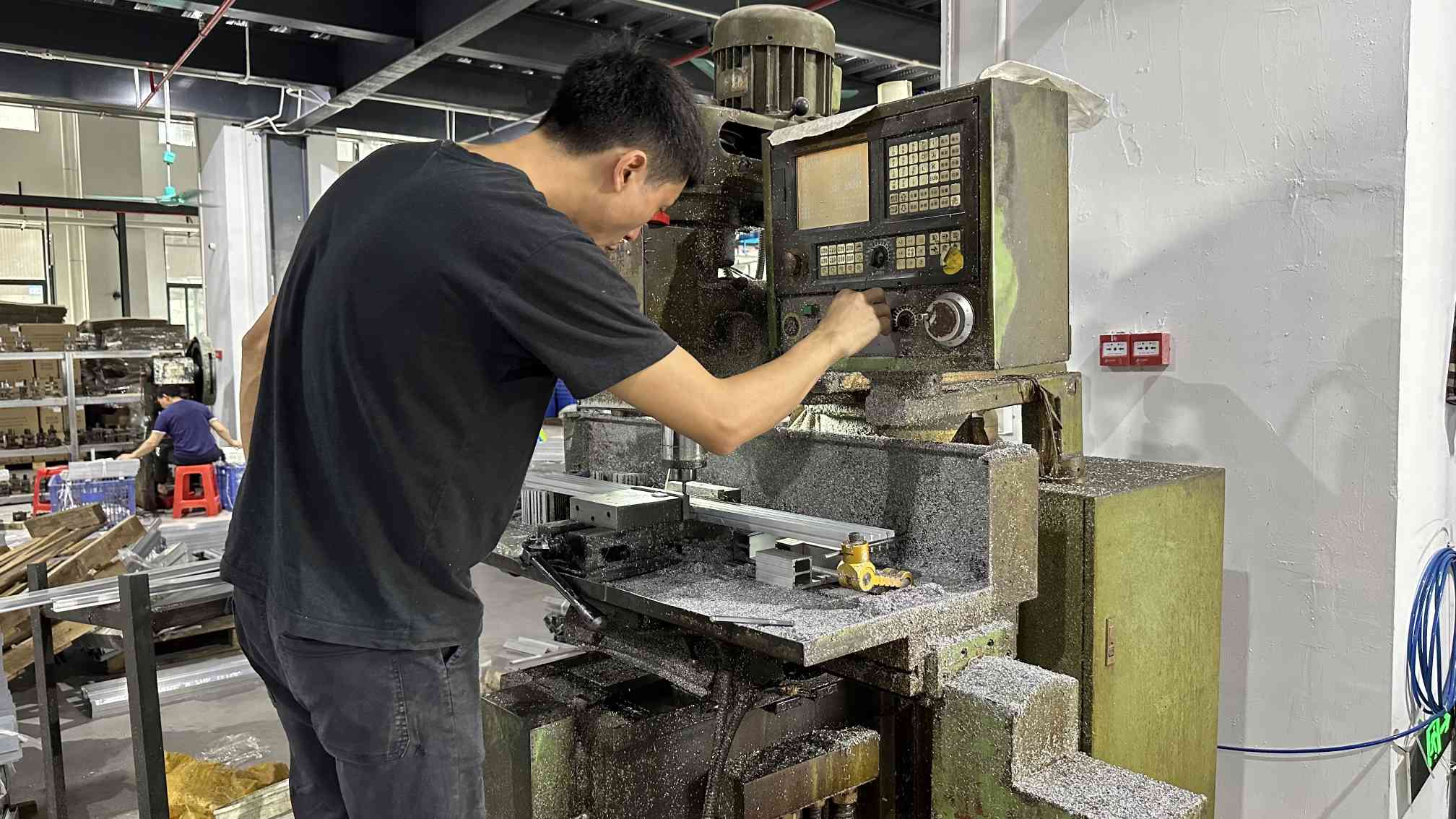
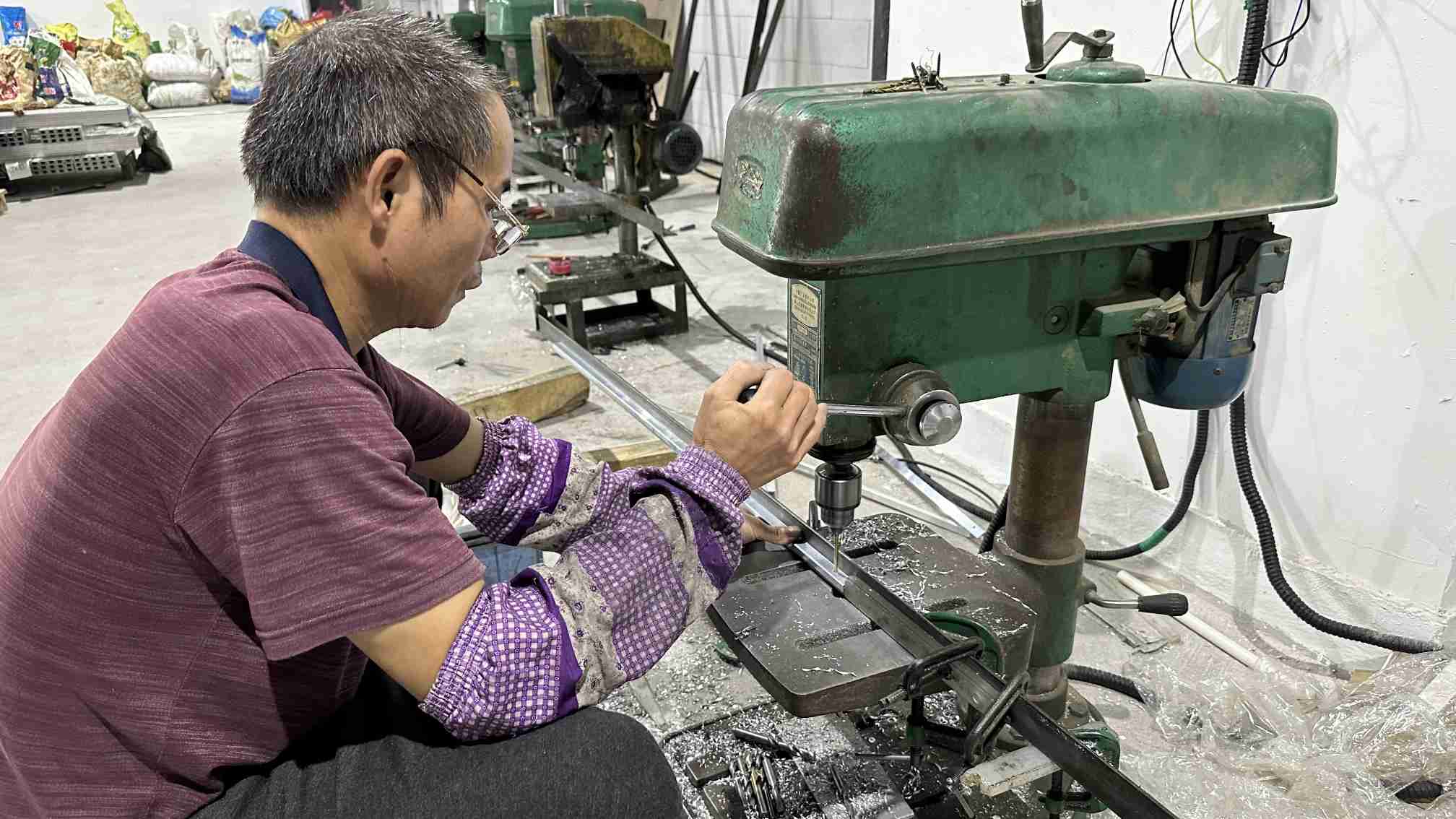
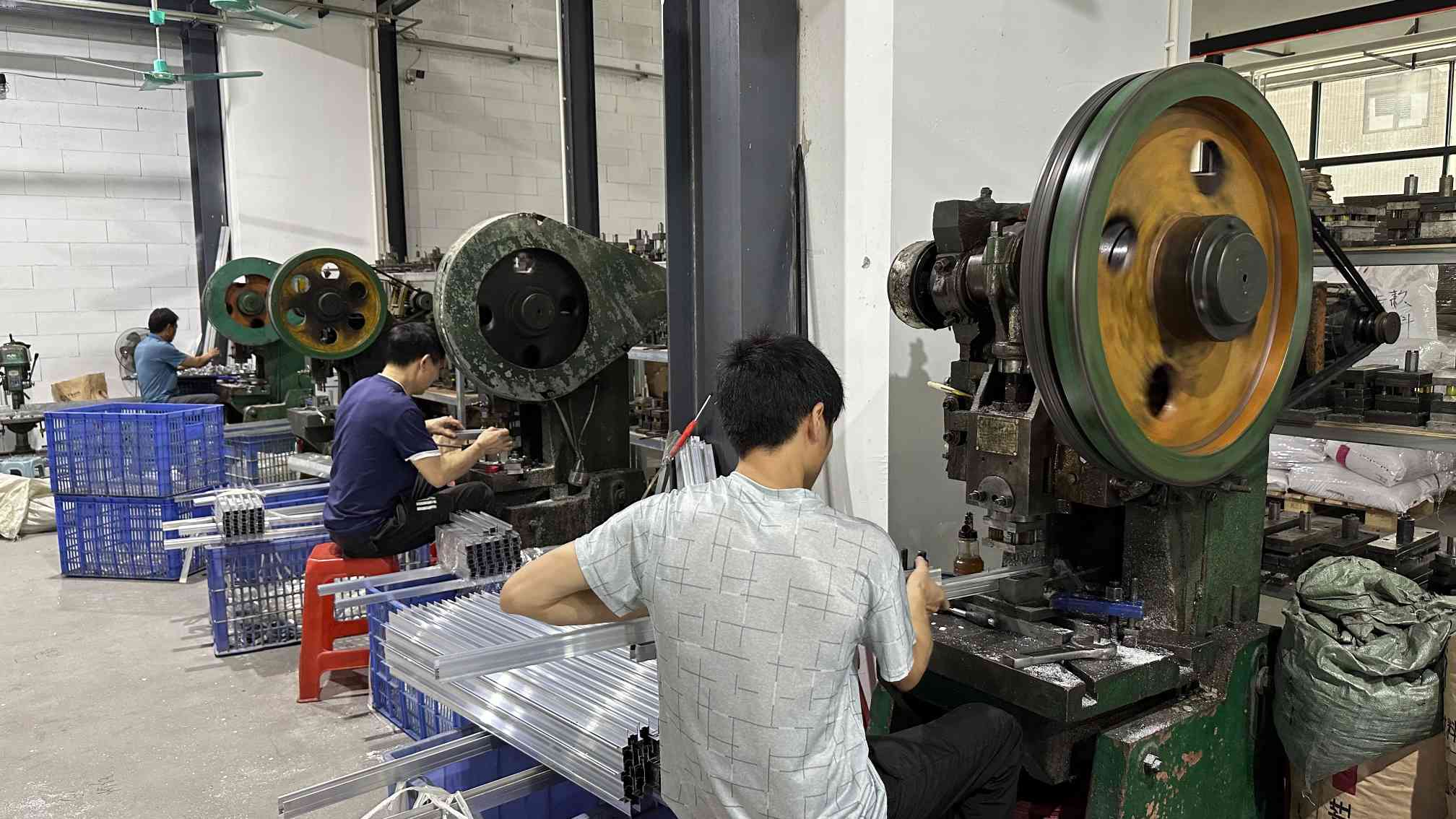
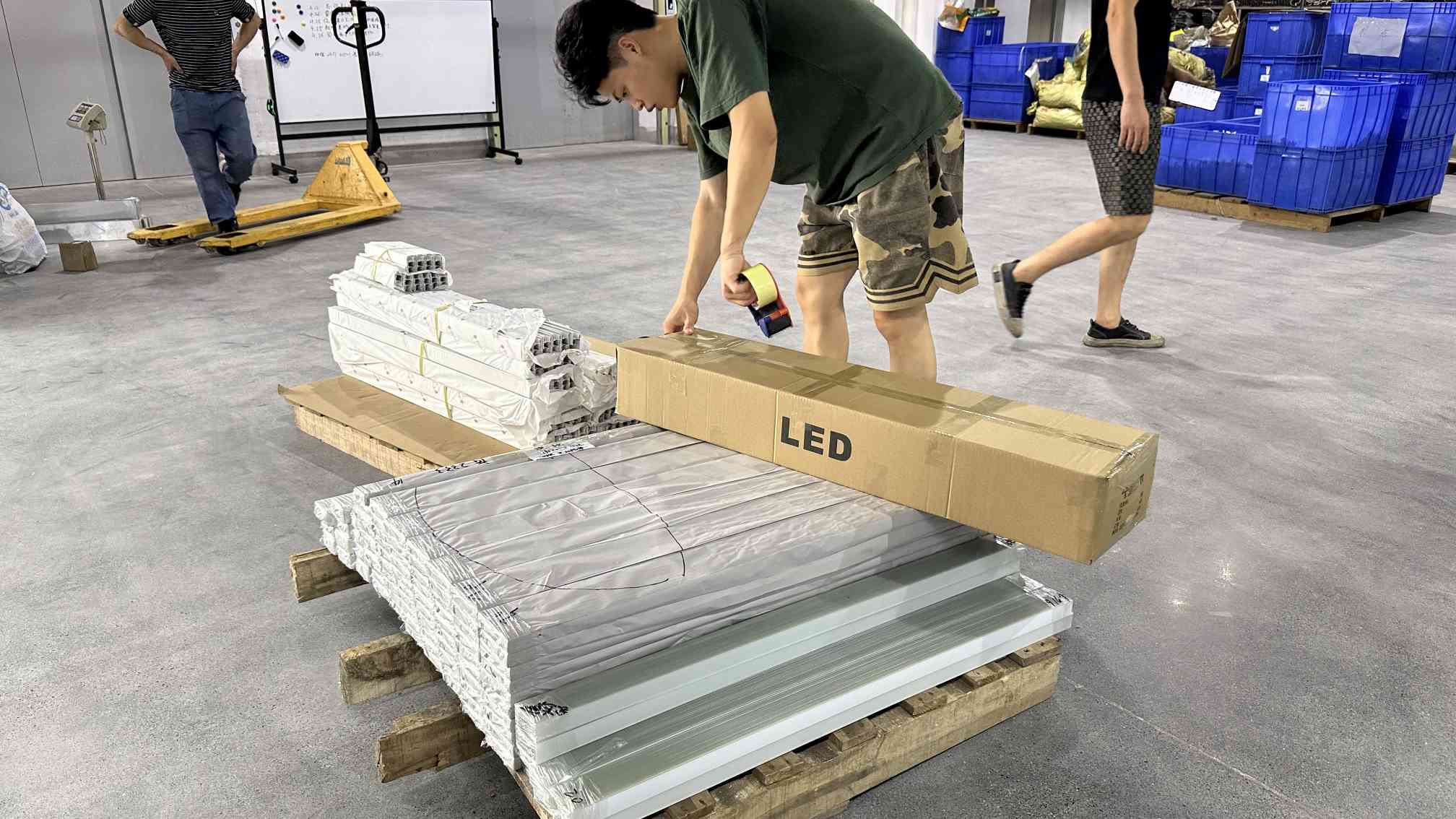
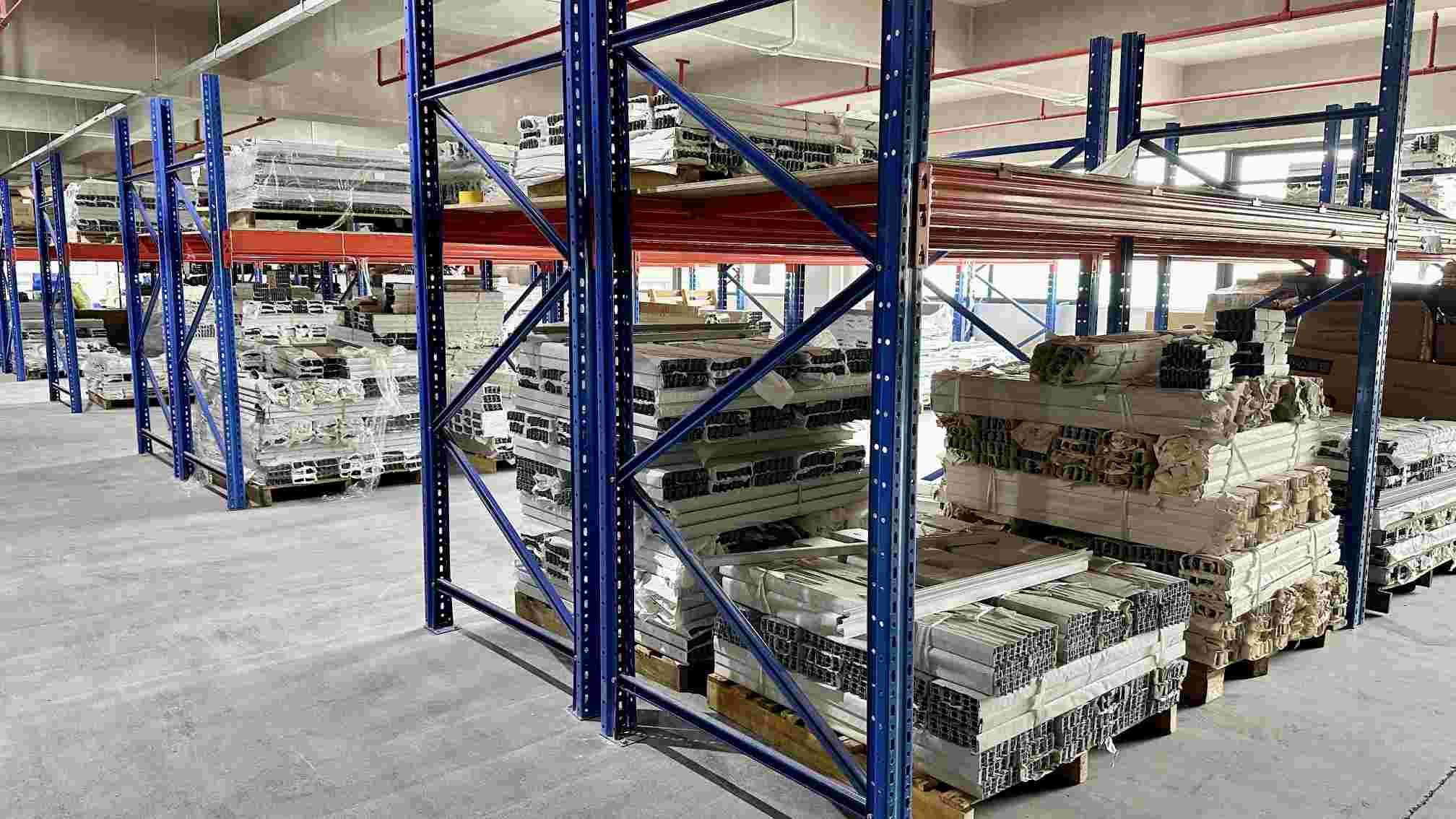
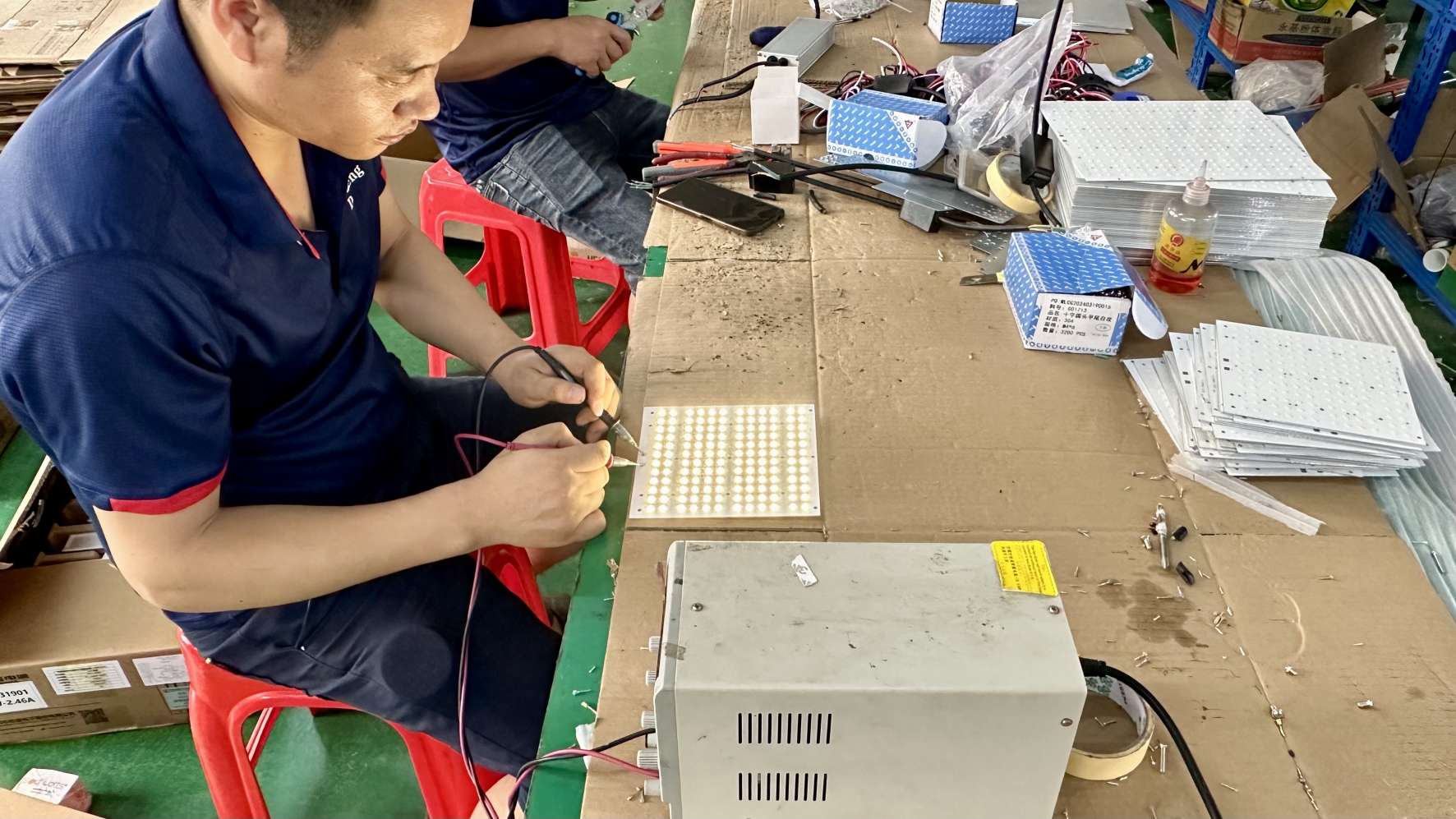
Shenzhen Alter Light Co., Ltd. is a leading manufacturer in the swimming pool lighting industry. We operate as an innovation-driven company integrating research, product design, and precision manufacturing. With an experienced R&D team and a strict quality assurance department, we provide complete underwater lighting systems for swimming pools, fountains, and landscape projects globally.
Our products are designed to meet high protection standards such as the IP68 waterproof rating. Patented sealing and thermal management technologies ensure long-term stability and safety in challenging underwater environments. We also offer synchronized color control systems (including 2-wire and smart control solutions), enabling seamless lighting effects across multiple fixtures.
Serving markets across Europe, North America, South America, the Middle East, and Asia-Pacific, we welcome OEM/ODM partnerships and regional distributor collaborations. Our flexible manufacturing setup supports customized designs, private labeling, and project-based lighting solutions.
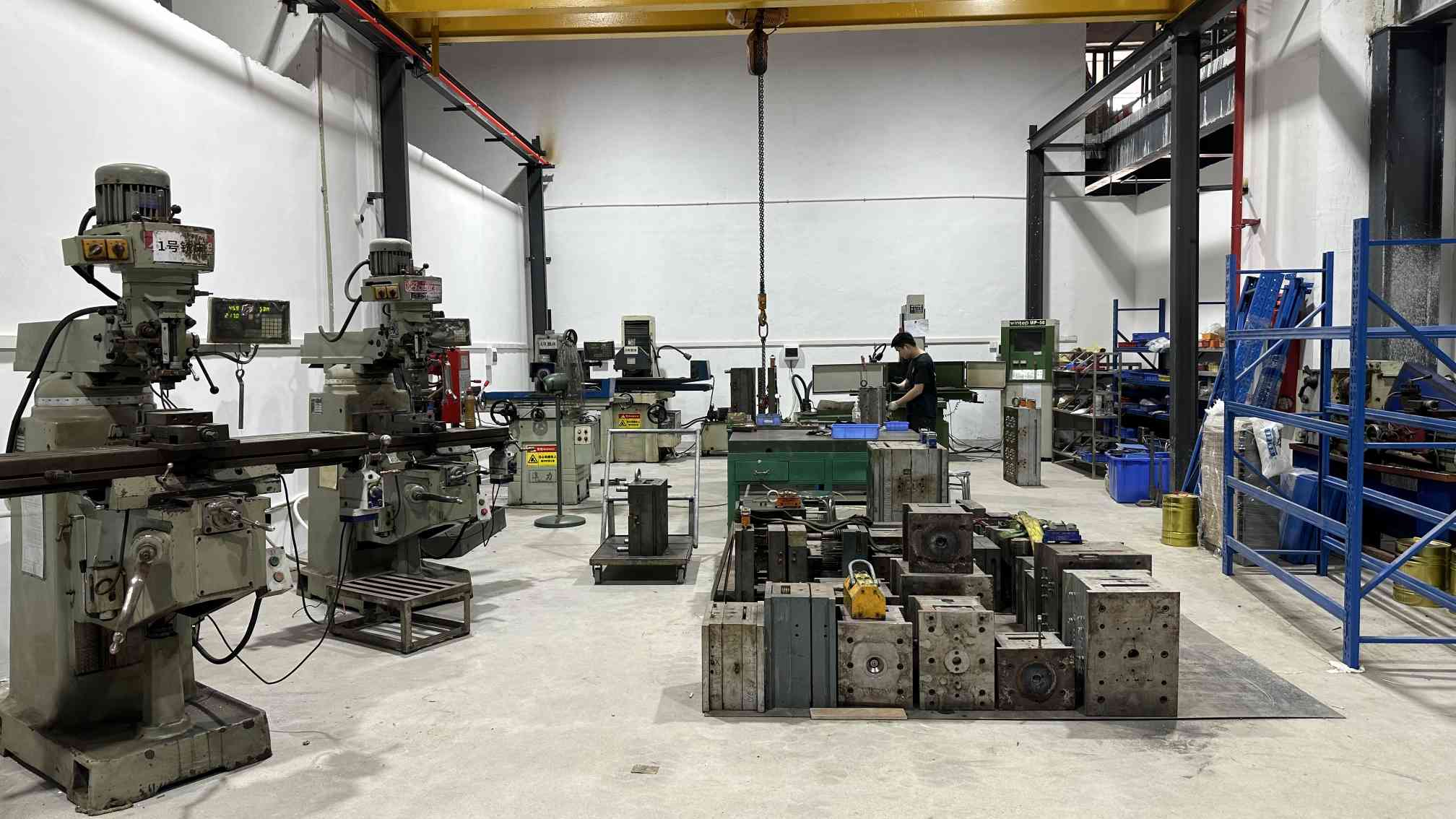
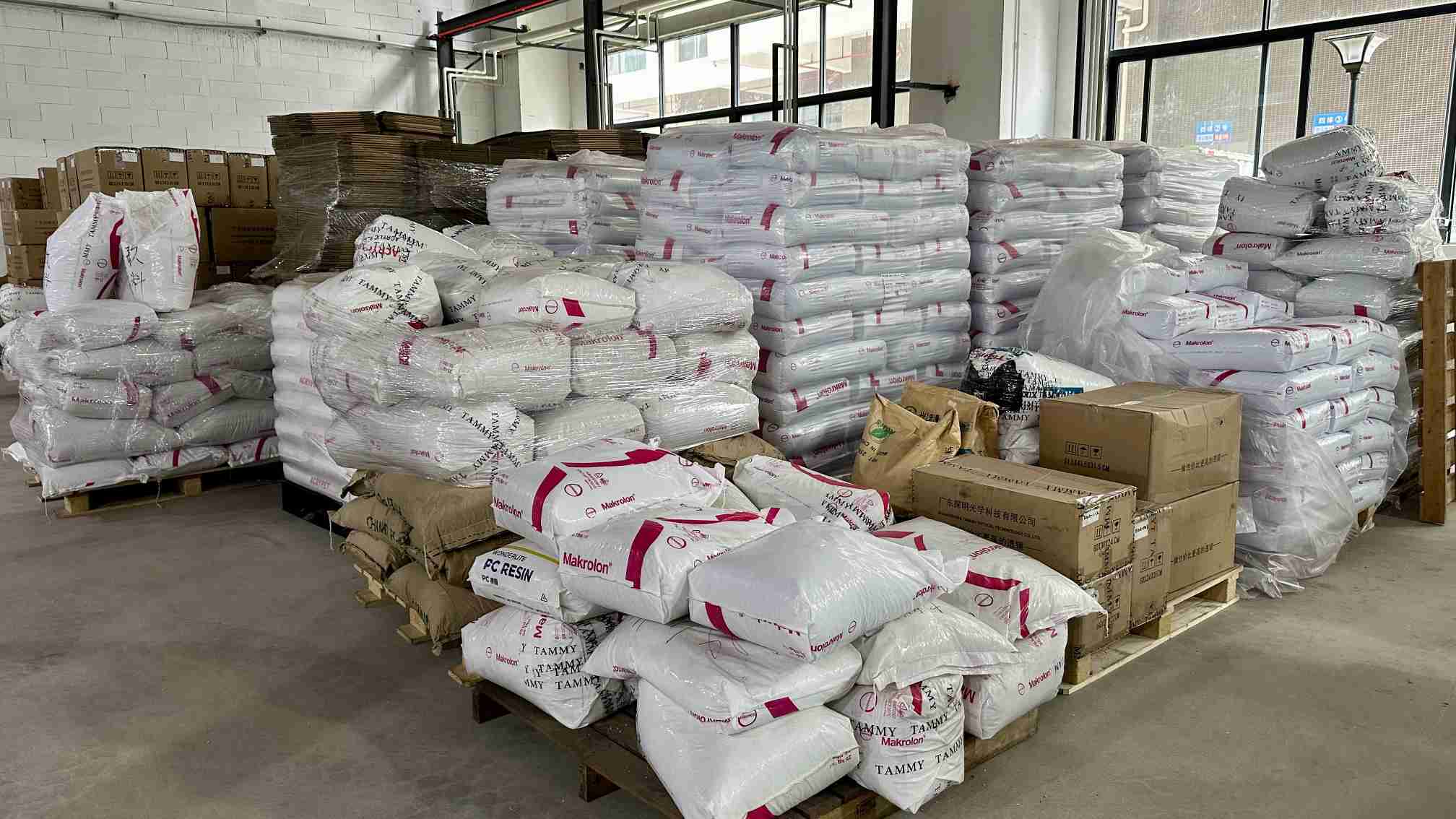
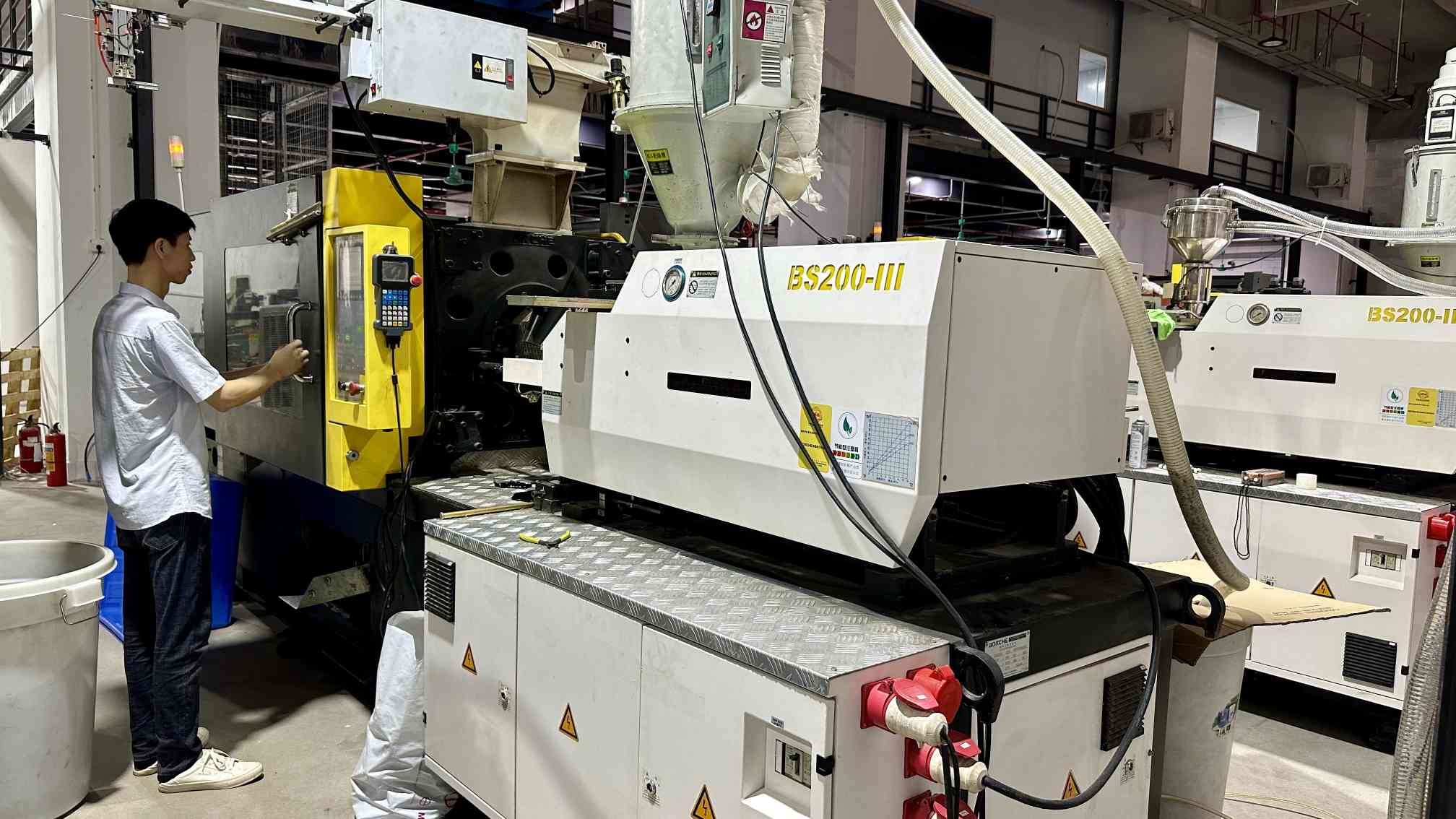
Our research and development program focuses on three main areas designed to improve pool system operations:
We are developing smart LED drivers that run at lower temperatures while providing consistent lumen output. These drivers integrate with building automation platforms, allowing operators to monitor energy consumption and schedule lighting events to reduce overall power draw.
To improve fixture longevity, we are testing potting resins with higher thermal conductivity. This allows heat to dissipate more effectively from the LED board, protecting internal electronics from thermal stress and reducing degradation over time.
We are redesigning our mounting assemblies to make installations more straightforward for field technicians. By reducing the number of manual sealing steps, our new hardware designs help minimize common installation errors that can lead to seal failures.