Explore our cutting-edge, low-voltage underwater luminaires engineered for extreme thermal endurance, chemical resilience, and dynamic color synchronization.
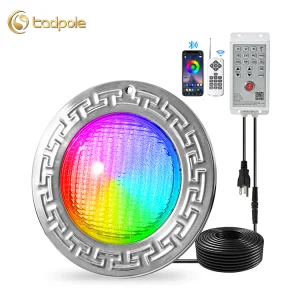
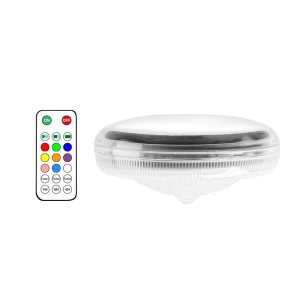
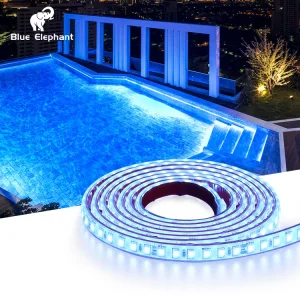
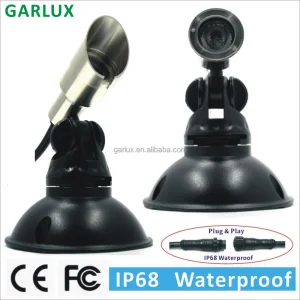
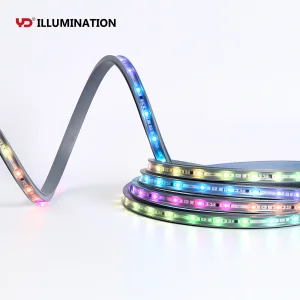
The global demand for Variable Color Lighting has moved far beyond simple architectural aesthetics. In modern commercial structures, theme parks, high-end hospitality complexes, and public municipal projects, dynamic lighting serves as a core element of branding, environmental interaction, and mood curation. By integrating multi-channel LED arrays (such as RGB, RGBW, and RGBA) with advanced communication protocols, designers can transform standard structural spaces into interactive, live environments.
From an industrial perspective, safety and reliability standards drive the market. High-performance projects require systems that operate faultlessly under extreme environmental stresses—be it structural pressure at depths, UV exposure in open-air landscapes, or high chlorine and salt conditions in commercial swimming pools. B2B buyers now scrutinize the technical parameters: thermal dissipation thresholds, corrosion-resistance of materials, and driver conversion efficiencies.
As global architectural standards evolve, choosing a supplier with strict engineering validation becomes paramount to minimizing operational liability.
How regional regulatory climates, environmental conditions, and architectural designs shape variable color lighting specifications globally.
In the US and Canada, compliance with NEC Article 680 and UL676 standards is non-negotiable for underwater lighting. Designers prefer 12V low-voltage AC solutions that fit directly into existing Pentair, Hayward, or Jandy niches. There is high demand for multi-color synchronization, particularly smart-home integrations (Control4, Crestron, Lutron) utilizing 2-wire carrier modulation to avoid running new cabling during retrofits.
European markets focus heavily on carbon efficiency and eco-compatibility. Lighting solutions must comply with the ErP Directive and feature highly efficient LED chips (SMD2835 or CREE COB) yielding high lumens-per-watt ratios. System controls typically lean towards open protocols like DMX512/RDM, DALI-2, or KNX. Architectural styles demand clean, minimalist form factors with flush-mounted, rimless installations.
For installations in the Gulf region (GCC countries), luminaires face extreme heat reaching up to 50°C air temperature alongside high salinity seawater. Plastic components must be treated for UV protection to prevent yellowing and structural embrittlement. Submersible housings must consist of specialized electro-polished stainless steel or heavy brass construction. Advanced thermal cut-off switches within the LED driver are standard requirements.
| Parameter | Current Industry | Alter Light Std |
|---|---|---|
| Waterproof Seal | Silicone Gasket | Resin-Coextrusion / IP68 |
| Color Control | IR Remote / Manual | 2-Wire PLC / DMX / Wi-Fi |
| Thermal Protection | Static Dissipation | Auto-dimming Smart NTC |
| Efficiency | 80-90 lm/W | Up to 120 lm/W (RGBW) |
The variable color lighting landscape is moving rapidly toward intelligent integration. The traditional limitation of underwater wireless signals is being bypassed through hybrid communication technologies. The integration of Power Line Communication (PLC) allows high-bandwidth color data (including smooth 16-million gradient shifts and zone adjustments) to travel directly over existing low-voltage AC or DC power lines. This eliminates secondary control lines, drastically cutting down installation and labor costs.
In terms of light sources, the future lies in dynamic spectrum tuning. Instead of static R, G, and B dies, next-generation luminaires incorporate high-CRI white chips (RGBW) and deep-amber dies (RGBA) to accurately balance the color rendering index under water, where water absorption alters light wavelengths differently. Furthermore, advanced physical structures, such as solid-state co-extrusion and high-transmittance optical resins, guarantee completely void-free construction—solving the condensation and micro-leak challenges inherent to hollow underwater fixtures.
Integrating advanced technology, strict quality assurance, and complete underwater lighting solutions for a global B2B clientele.
Shenzhen Alter Light Co., Ltd. is a leading manufacturer in the swimming pool lighting industry. We are not only a production facility, but also an innovation-driven company integrating advanced technology, product development, and quality manufacturing.
With a highly experienced R&D team and a strict quality assurance department, we are able to provide complete lighting solutions for swimming pools and underwater environments. Our focus is on combining safety, durability, energy efficiency, and modern design to deliver reliable lighting systems for global customers.
All underwater lighting products are designed to meet high protection standards such as IP68 waterproof rating. Our patented sealing and thermal management technologies ensure long-term stability and safety in harsh underwater environments.
We also offer synchronized color control systems (including 2-wire and smart control solutions), enabling seamless lighting effects across multiple fixtures, making pools and water features more dynamic and visually appealing.
Shenzhen Alter Light Co., Ltd. serves customers worldwide, with strong market presence in Europe, North America, South America, the Middle East, and Asia-Pacific regions. Our products are widely used in residential pools, hotels, resorts, public water facilities, fountains, and landscape projects.
We welcome OEM and ODM partnerships as well as regional distributor collaborations. Our flexible manufacturing system allows us to support customized designs, private labeling, and project-based lighting solutions.
At Shenzhen Alter Light Co., Ltd., we believe in a win-win cooperation philosophy. We are committed to delivering high-quality products, competitive pricing, and reliable long-term service to our global partners.
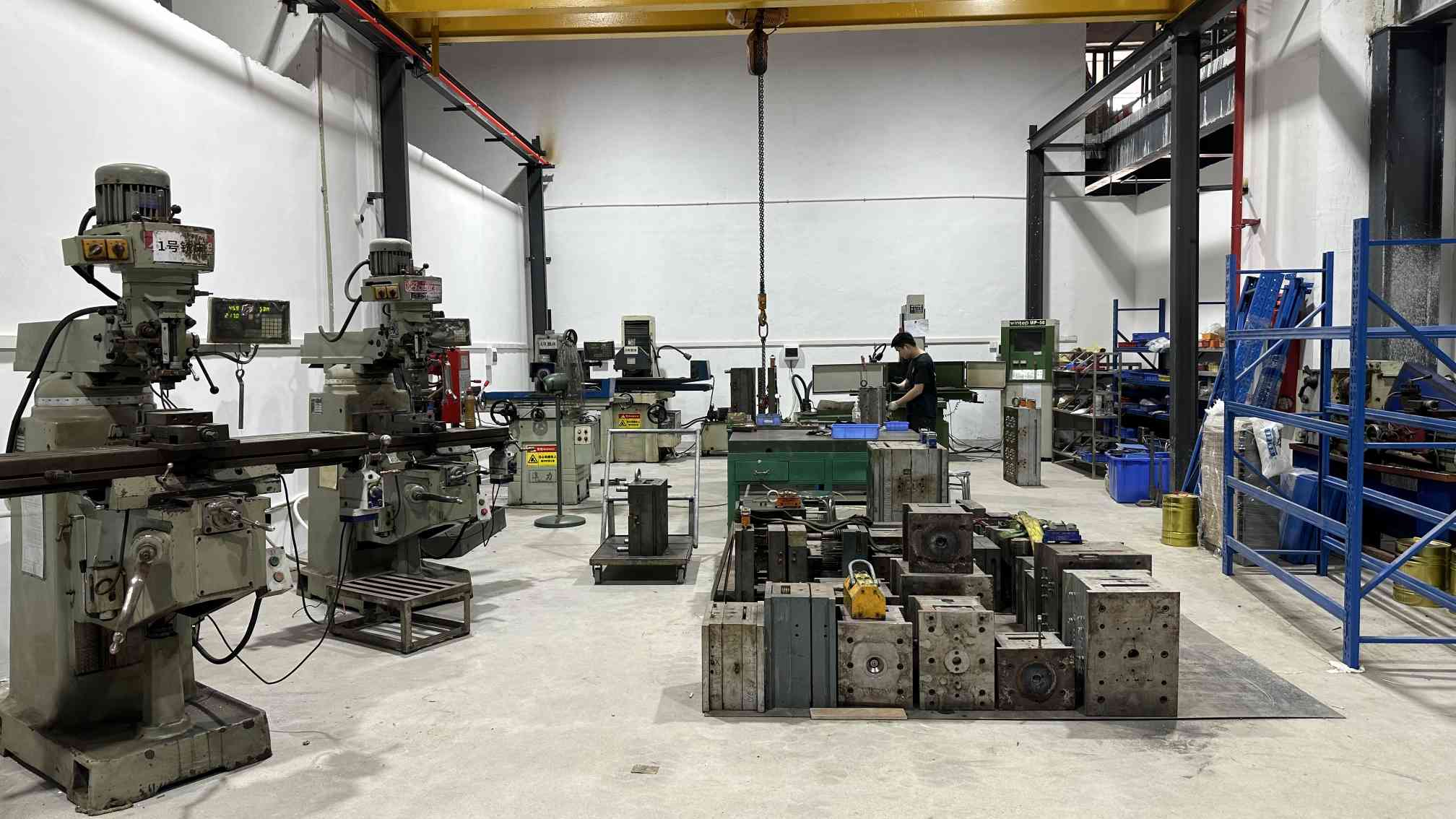
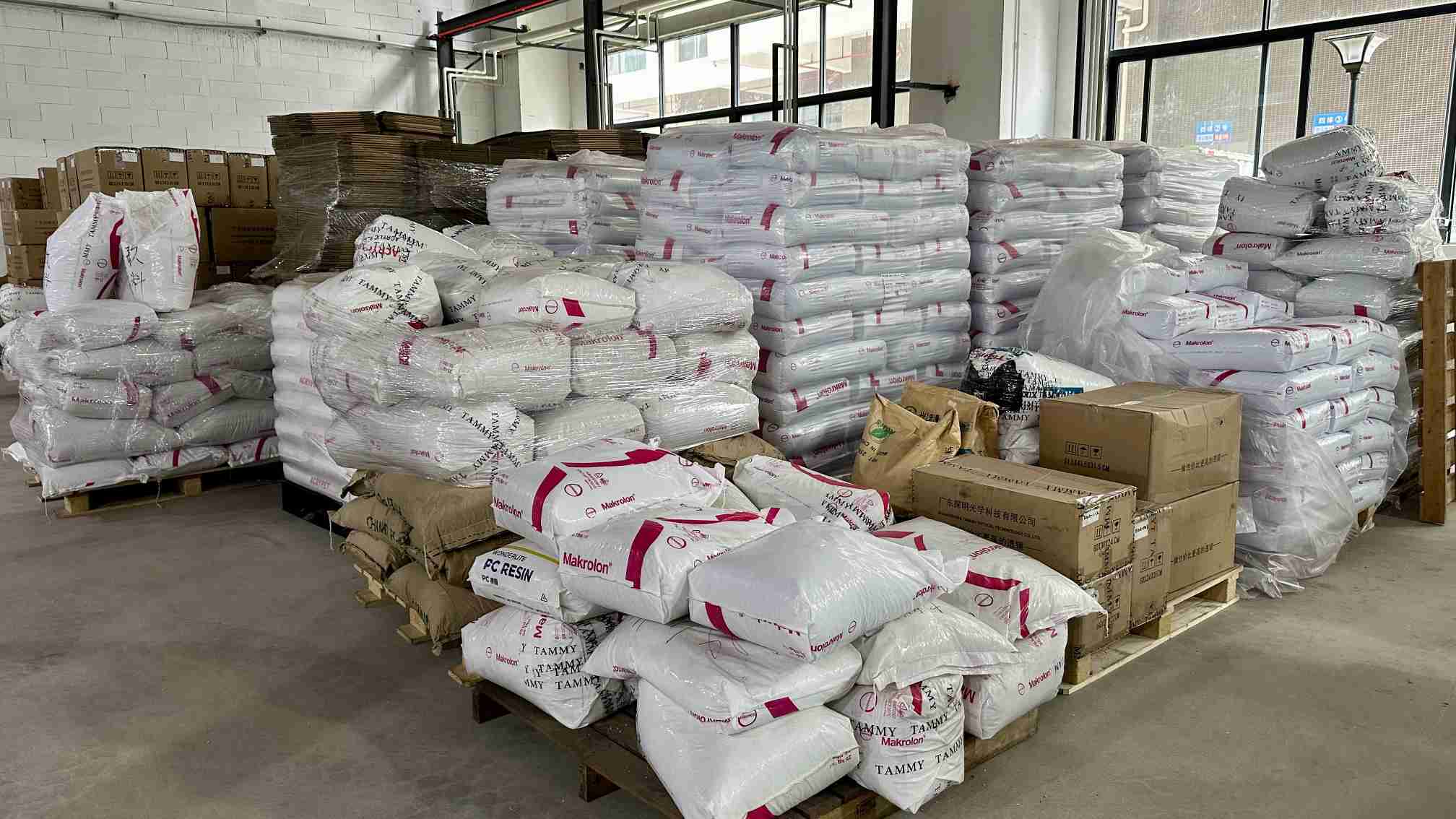
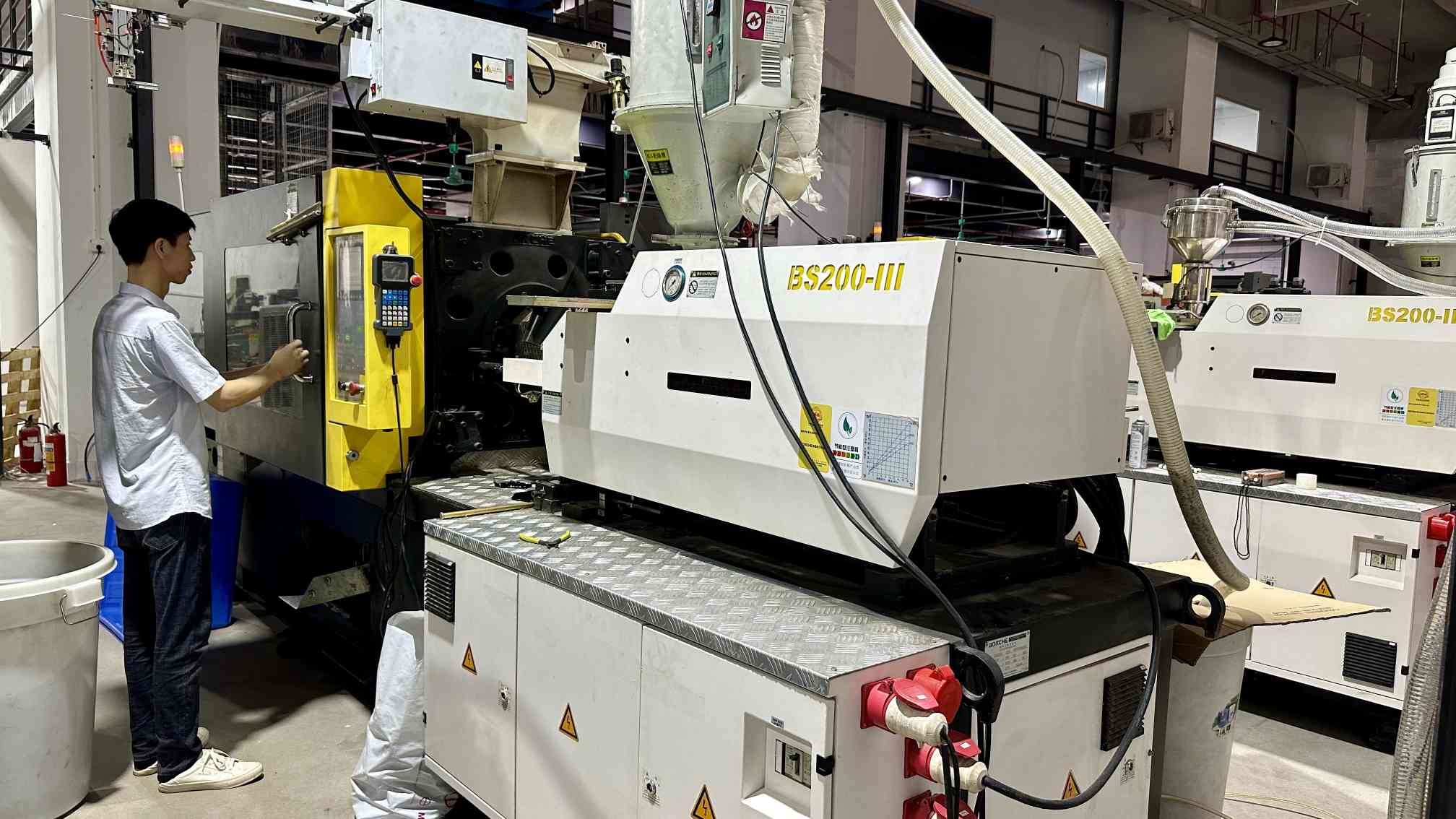
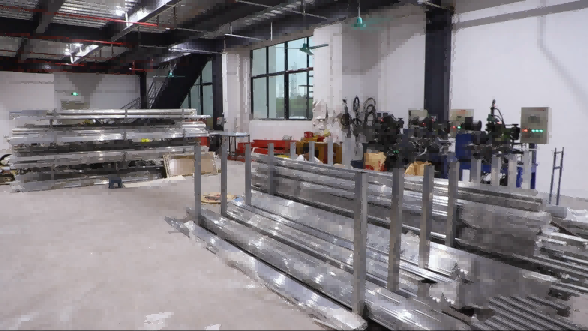
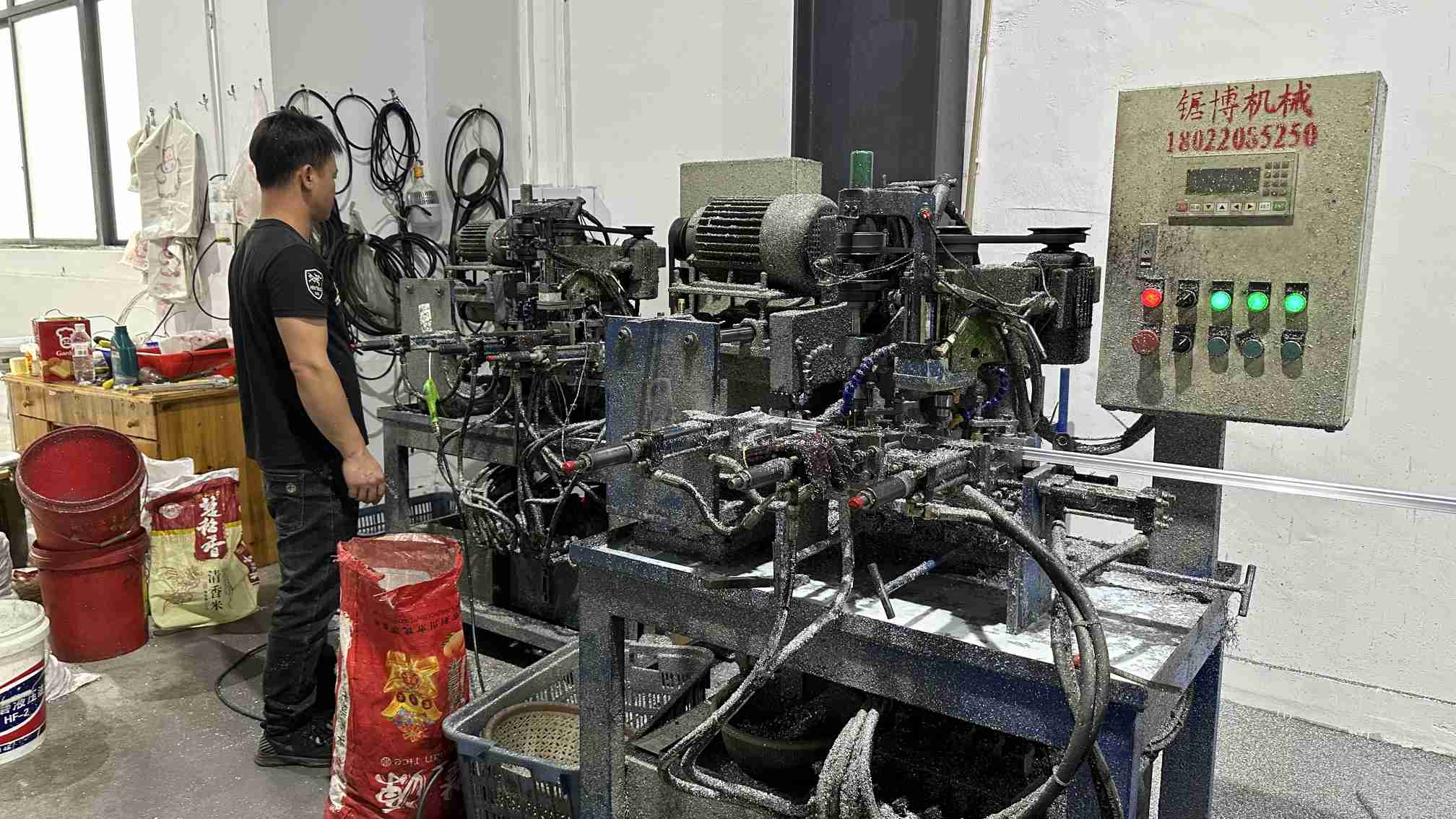
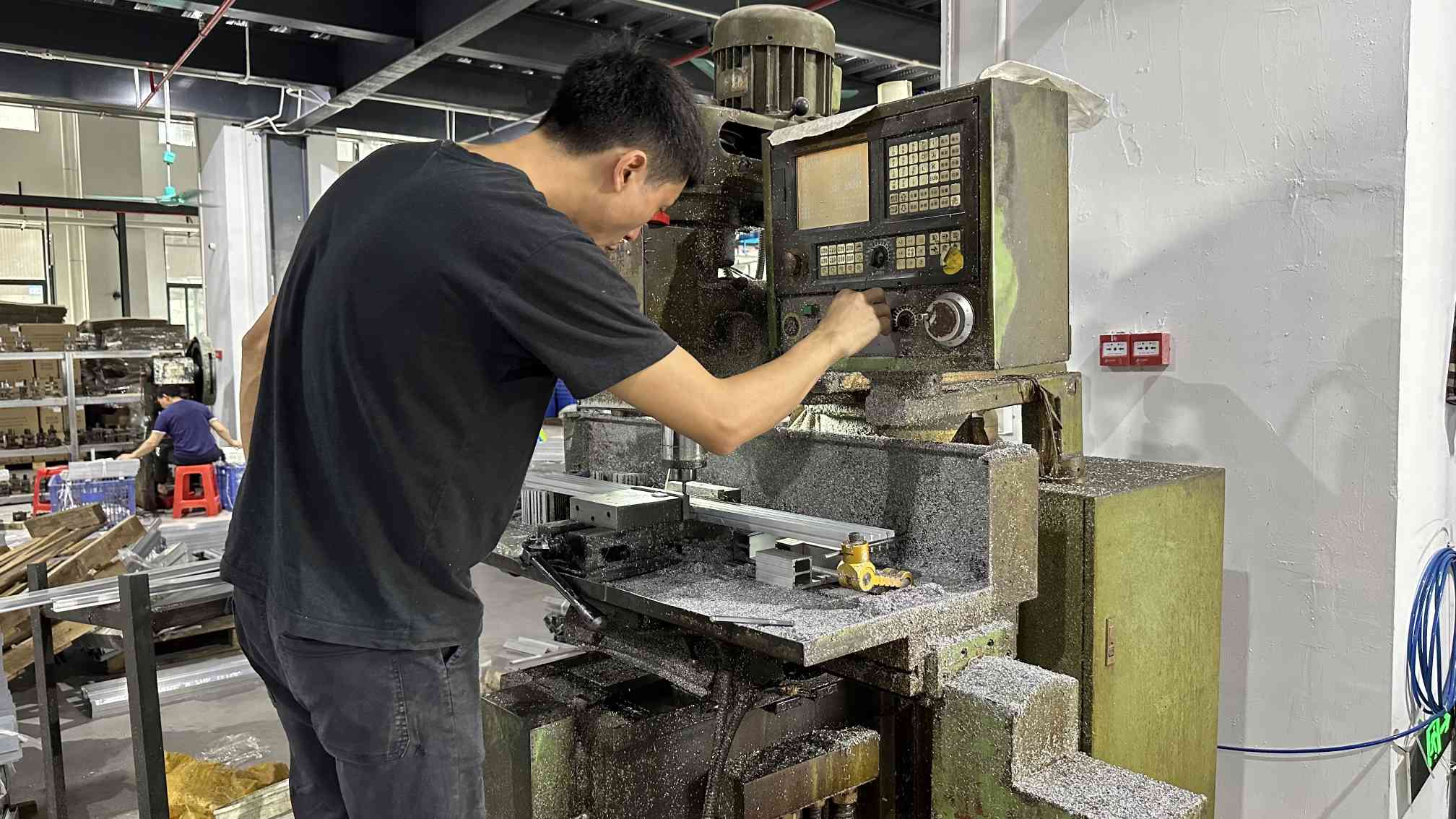
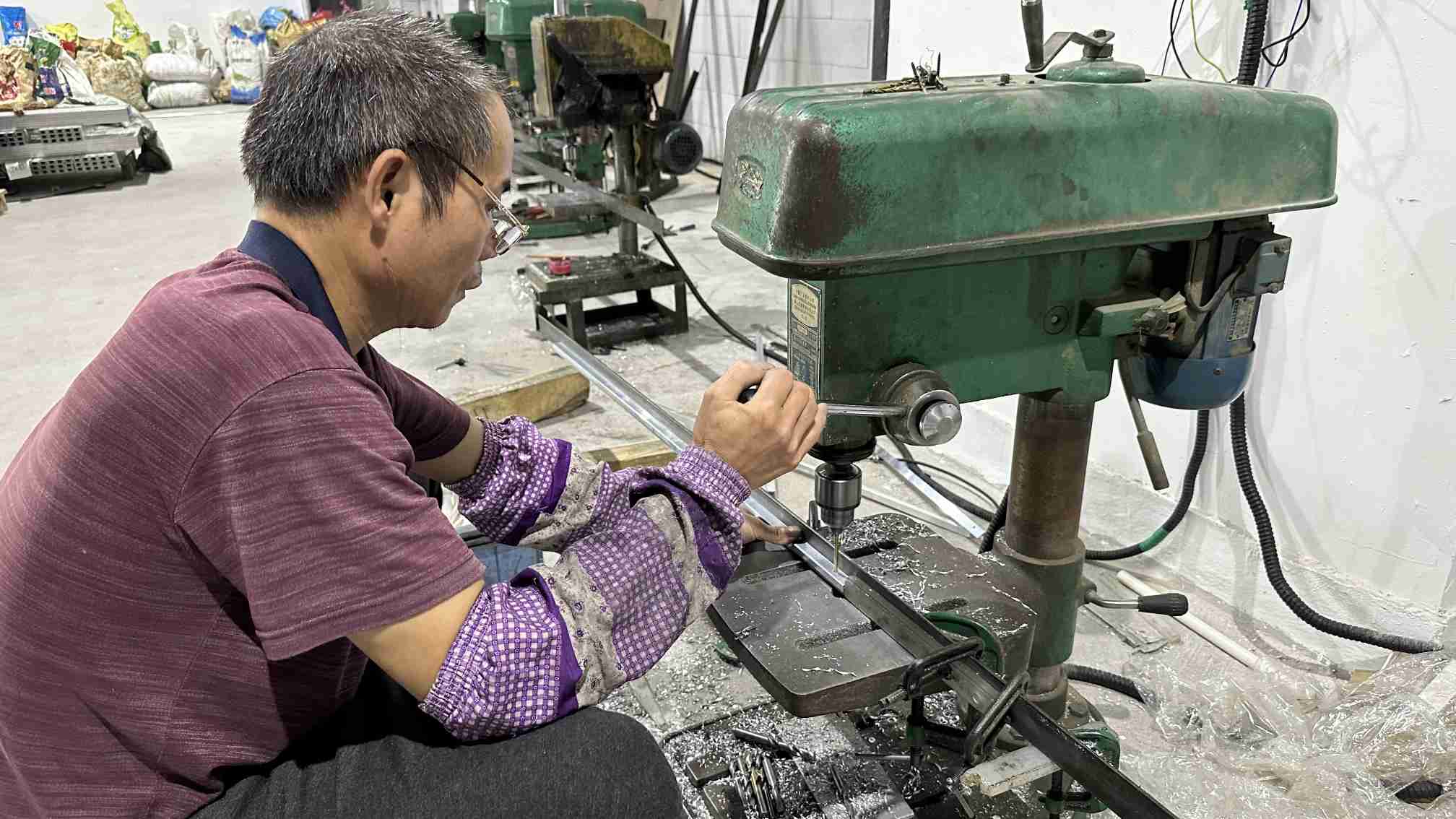
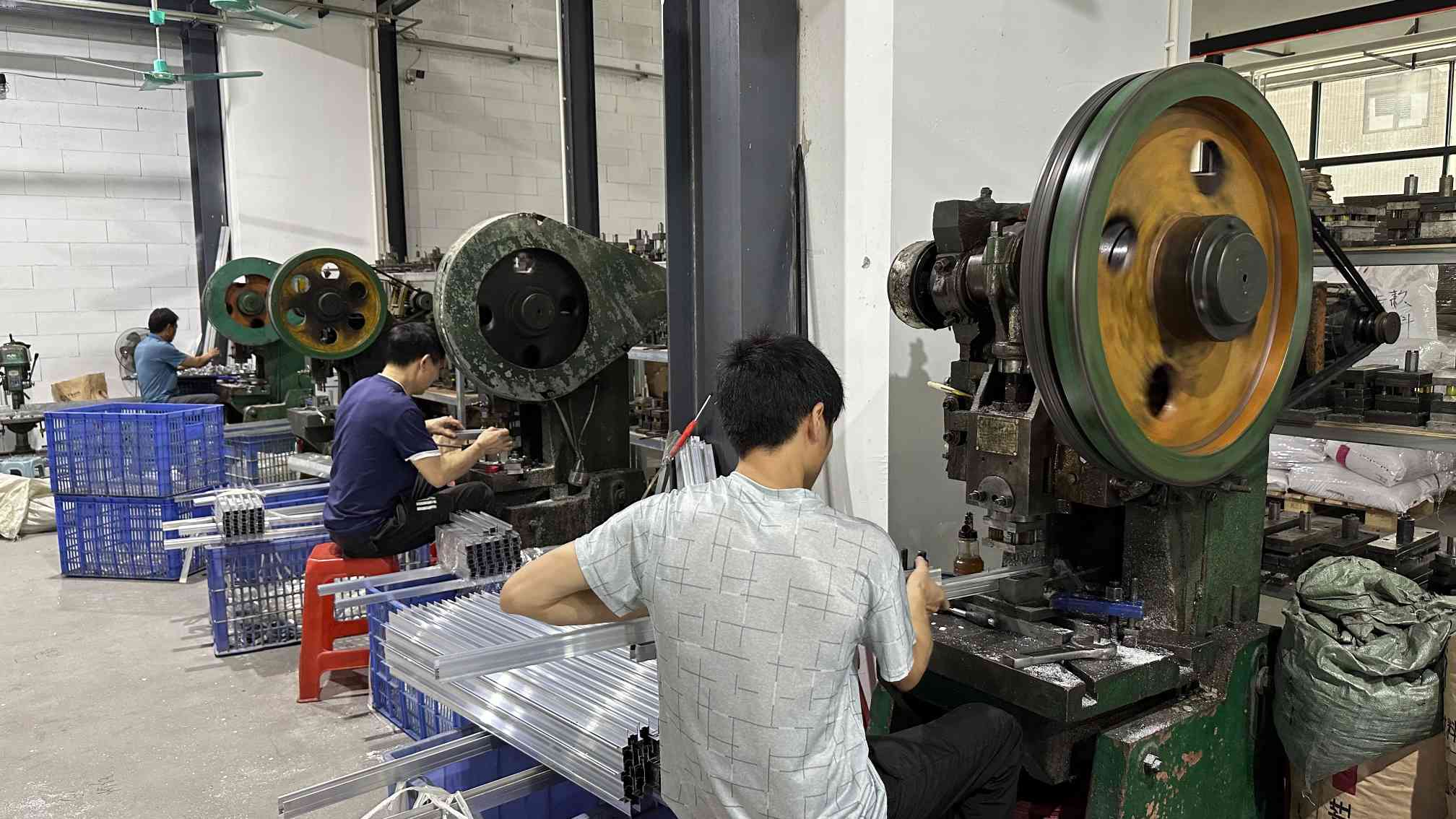
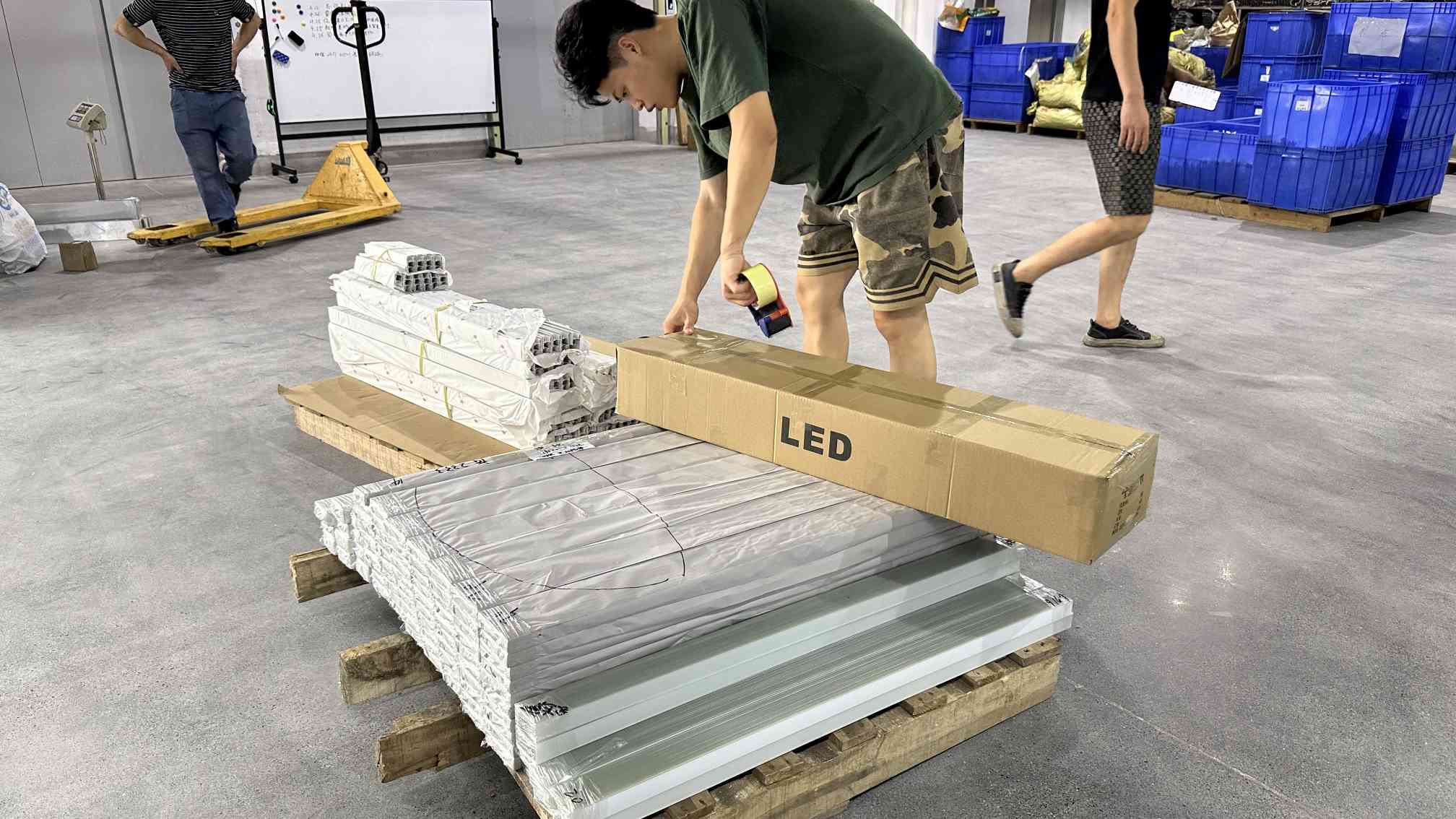
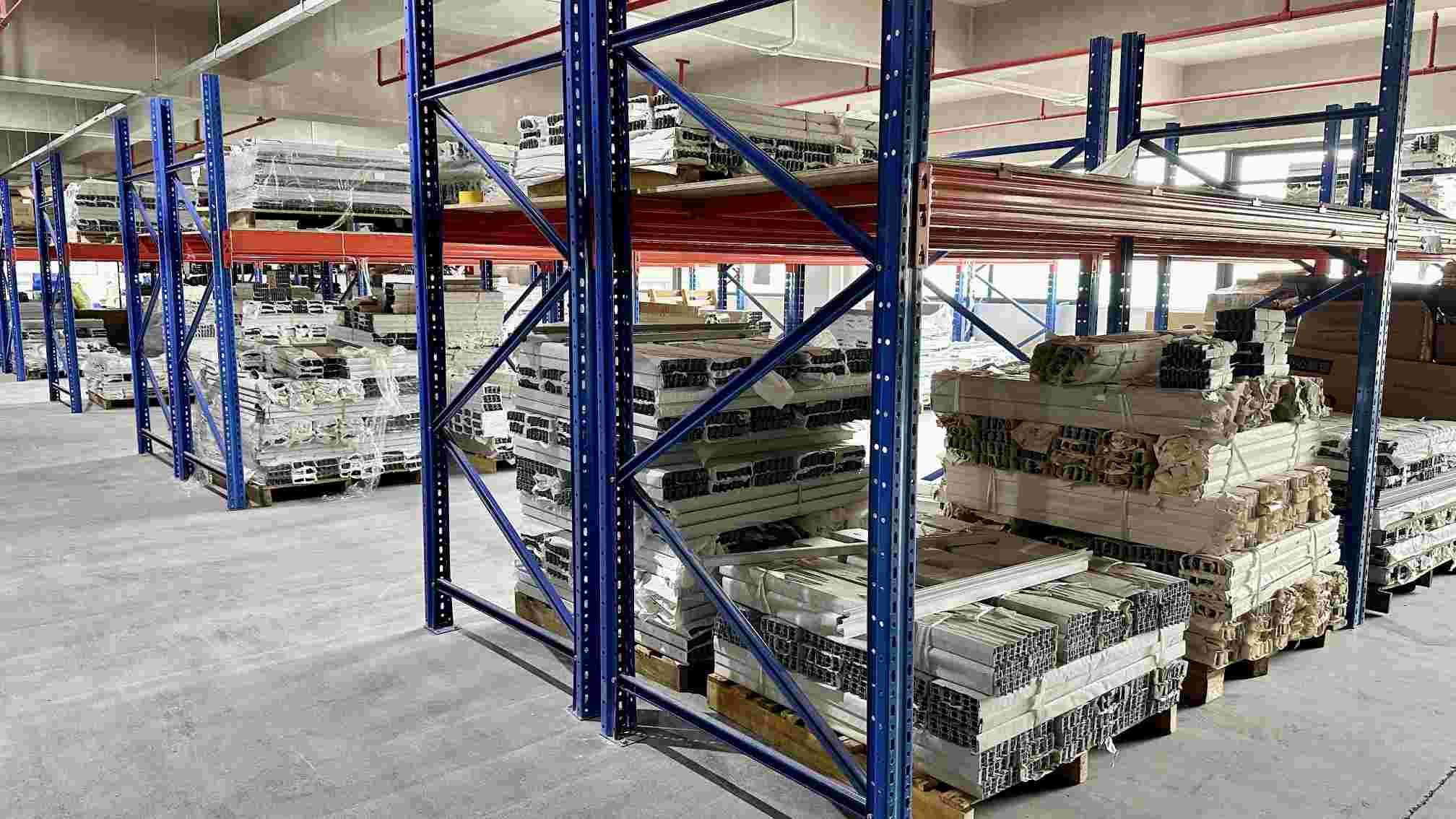
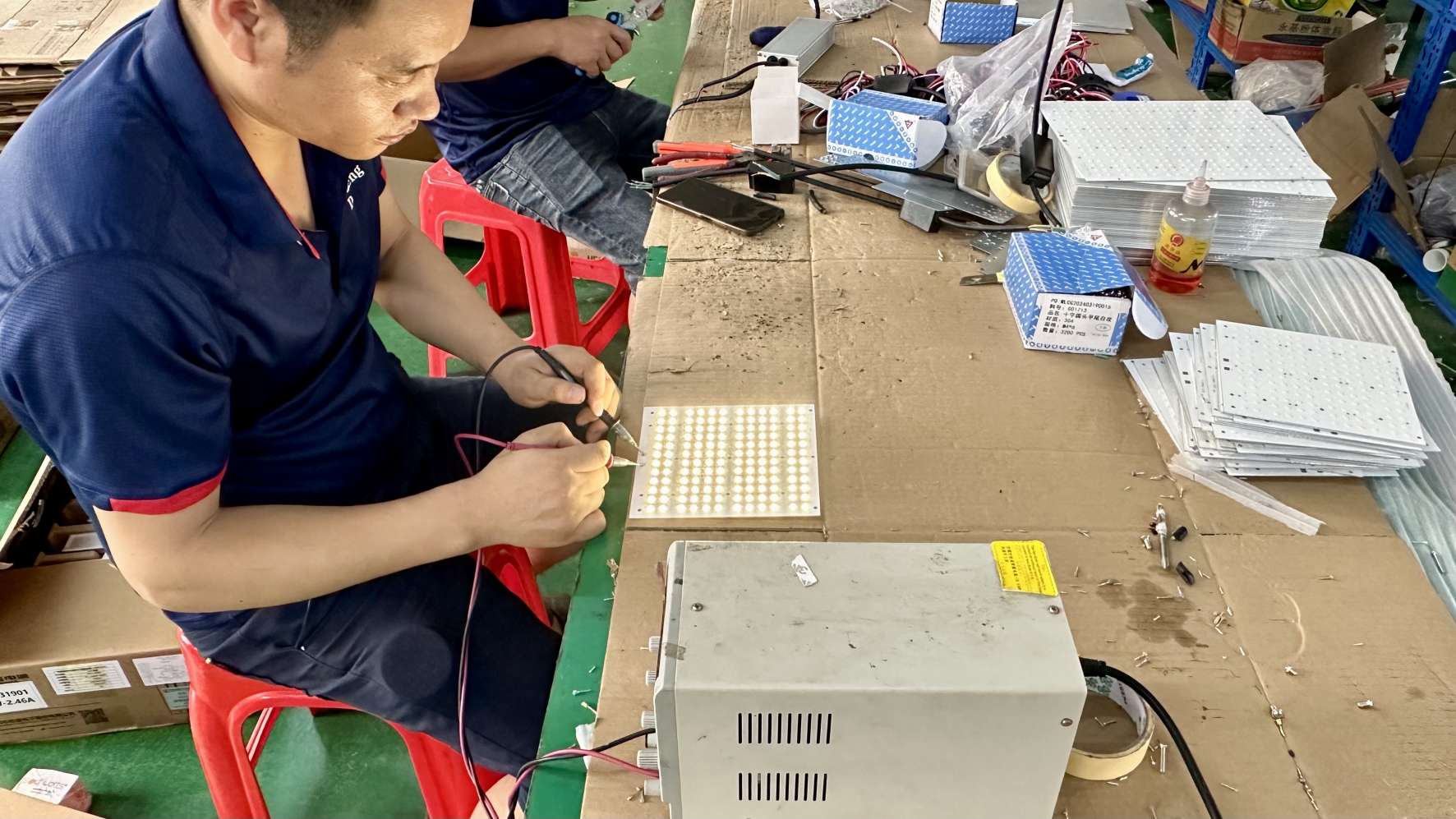
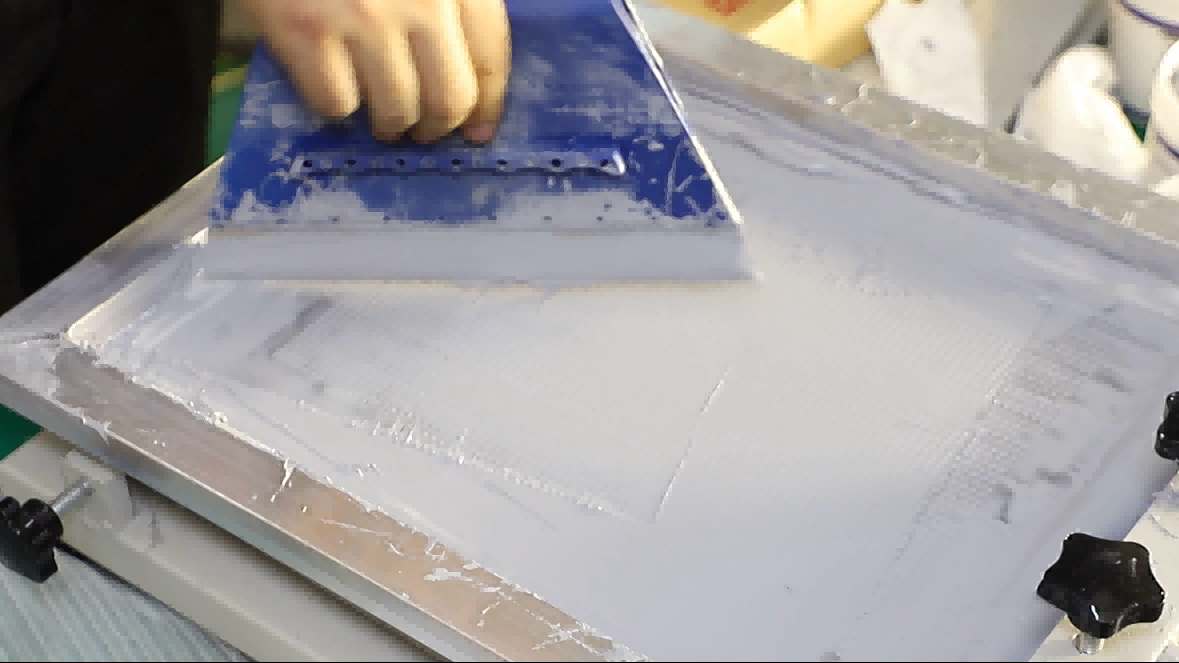
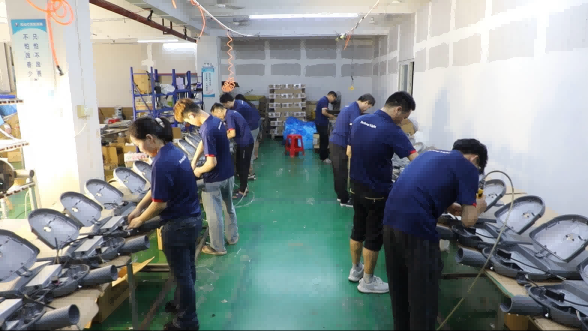
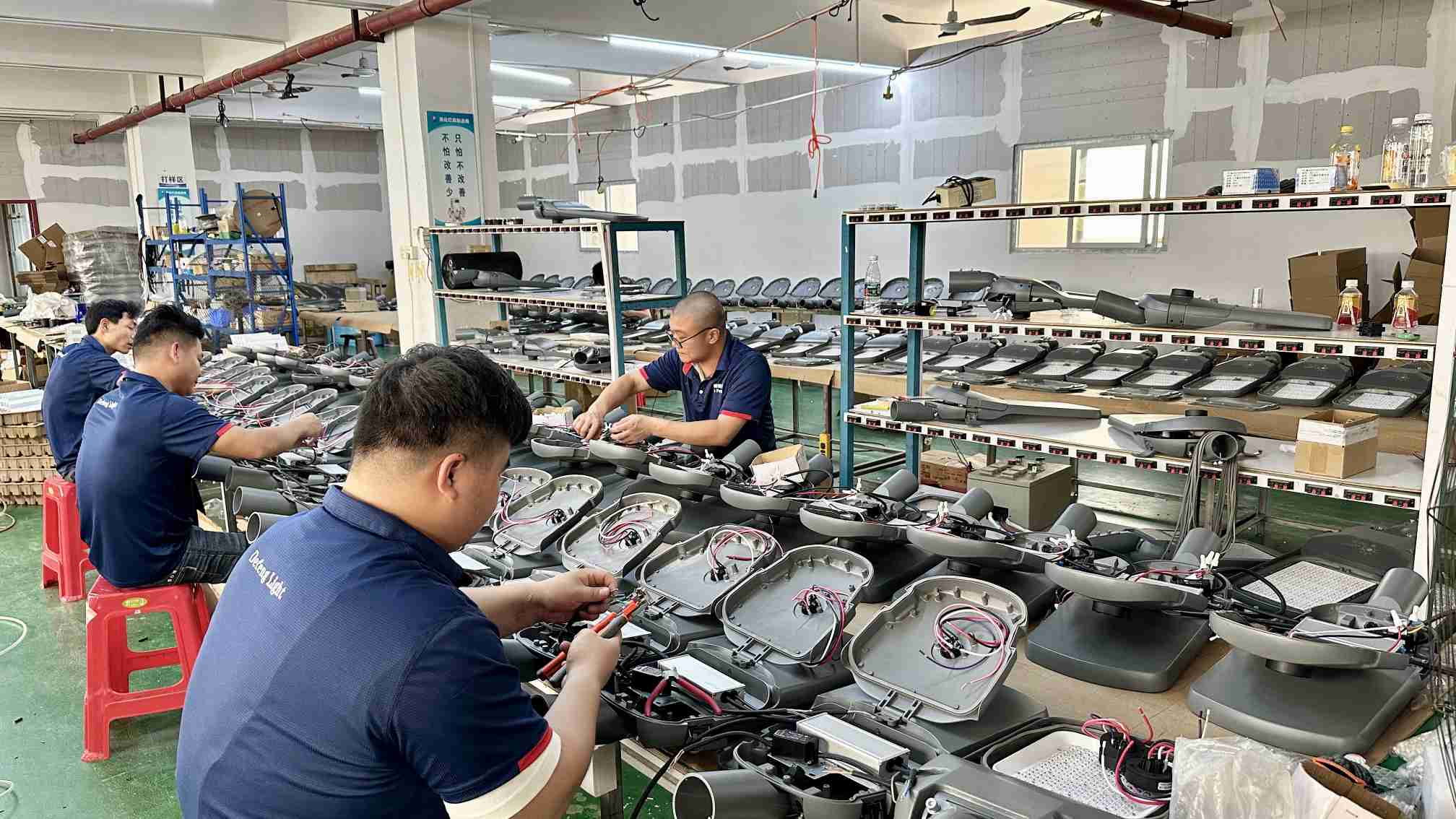
The global dominance of Chinese optoelectronic manufacturing—particularly in the Pearl River Delta (Shenzhen-Dongguan axis)—is built on unmatched horizontal and vertical integration. Shenzhen Alter Light Co., Ltd. leverages this ecosystem to secure premium, certified raw materials directly from tier-1 suppliers, ensuring continuous production stability and competitive pricing, even under volatile global shipping and trade climates.
Our localized supply chain enables rapid turnaround for specialized tooling, custom injection-molding modifications, and bespoke PCB designs. With secondary processes (such as precision CNC aluminum milling, high-pressure die casting, and automated silicone potting) situated within a narrow geographic radius, our production cycle is significantly accelerated compared to European or American domestic counterparts.
Ensuring absolute safety, operational security, and adherence to international B2B regulatory certifications.
Every single unit undergoes rigorous multi-step dry air pressure sealing tests prior to final epoxy potting. Our production facility features testing tanks capable of simulating up to 10 meters of water pressure depth, confirming structural integrity, eliminating micro-condensation risks, and validating standard-certified safety protocols.
We strictly engineer our electrical structures to meet and exceed global low-voltage safety parameters. Our products carry UL676 (for the North American pool safety framework), CE-LVD/EMC (for the European economic zone), and RoHS environment protection certificates to streamline custom clearance and local electrical inspection approvals.
Our partnership doesn't end at delivery. We provide custom CAD/BIM rendering diagrams for architectural submissions, calculation data sheets, voltage drop planning parameters, and localized remote technical assistance to support installation teams through complex DMX/IoT control setup configurations.
Critical answers regarding mechanical structure, electrical planning, control protocols, and installation protocols.
High-reliability LED products, controllers, and fittings designed to withstand pool chemicals, UV rays, and high moisture.