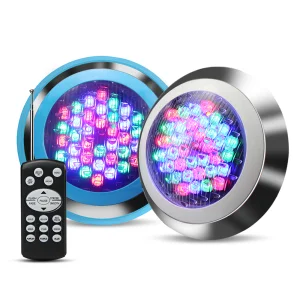
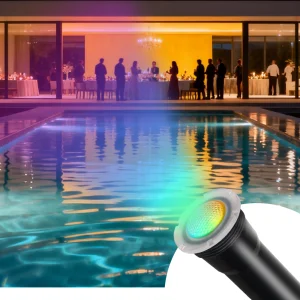
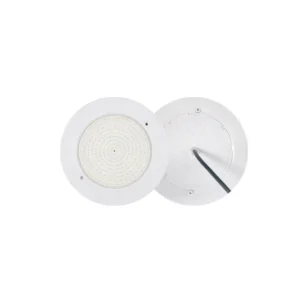
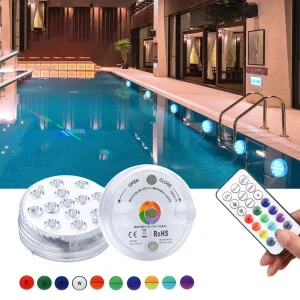
Engineered for high thermal efficiency, certified waterproof reliability, and seamless integration into modern smart pools.
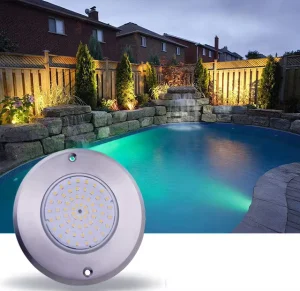
How technical advancements in architectural design and polymer science are rendering traditional wet niches obsolete.
By integrating high-efficacy surface-mount technology (SMT) LED chipsets, modern manufacturers can achieve over 100 lumens per watt within dynamic compact forms, rendering massive halogen canisters obsolete.
Engineered plastics, such as custom-grade Polycarbonate (PC) infused with glass fibers or structural UV stabilizers, resist chemical degradation in chlorinated and saltwater swimming pools.
Using high-conductivity epoxy resin potting and thermodynamic housing designs, modern nicheless lights leverage surrounding water as a direct heat sink, extending system lifespan beyond 50,000 hours.
Understanding the strict regulatory framework, materials engineering, and electrical parameters required by international buyers.
How Shenzhen Alter Light Co., Ltd. utilizes automation, vertical integration, and ISO quality controls to secure global supplies.





Detailing how custom nicheless lighting performs under various environmental conditions, pool designs, and smart controls.
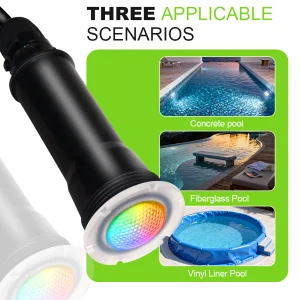
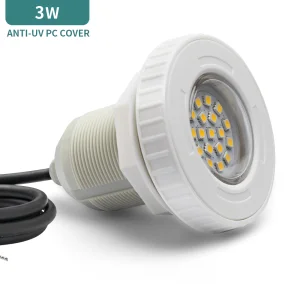
Traditional niche fixtures present structural leak hazards in vinyl liner or fiberglass installations. Threaded nicheless lights, engineered with high-elasticity rubber gaskets and locking nuts, seal securely without risking structural wall cracks.
High thermal and chemical exposure in commercial spas accelerates component aging. Alter Light's resin-filled technology combined with a marine-grade aluminum alloy housing ensures reliable cooling and protects the internal electronics.
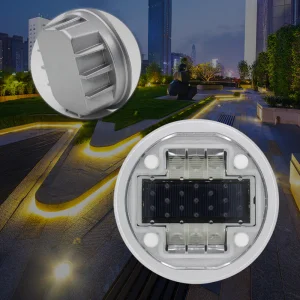
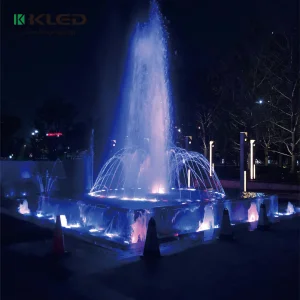
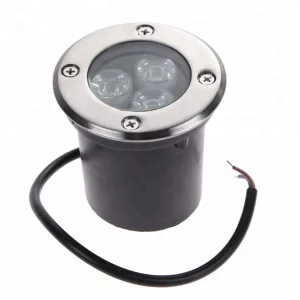
Fountains in public spaces require highly durable, low-profile lighting to prevent physical damage. Flush-mounted, buried IP68 LED lights fit seamlessly into structural walkways, providing safety and vibrant illumination.
Real engineering answers to common technical queries in underwater lighting applications.
Traditional gasket-sealed pool lights rely on physical pressure to prevent water ingress. Over time, heat cycles, ozone, and chlorine degrade the silicone seals, eventually causing water leaks and circuit failure. Resin-filled lights completely fill the inner cavity with epoxy or polyurethane resin, leaving no air gaps. This solid barrier blocks water at a molecular level, preventing leaks and condensation even if the outer casing sustains damage.
Safety is the primary factor. Human skin resistance drops significantly when wet, making line-voltage leaks potentially fatal in water. Standard low-voltage systems (12V–24V) keep electrical currents well below the threshold of danger. This simplifies installation, reduces electrical bonding requirements, and ensures full compliance with local building safety codes.
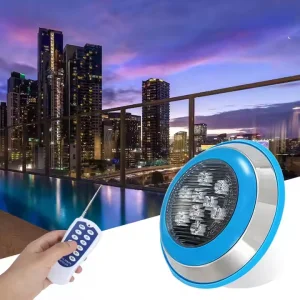
Color synchronization over 2-wire systems uses power cycle modulation (PCM). By briefly cutting the power supply for a fraction of a second, the internal controller chip in each lamp shifts to the next pre-programmed color mode. For larger projects, DMX512 controllers or power line modulators can send digital control signals directly through the power line, achieving synchronized color changing without needing separate signal cables.
Saltwater pools generate active chlorine through electrolysis, making the environment highly corrosive. Stainless Steel 316L (low carbon) is excellent for structural strength, while engineering plastics like Polycarbonate (PC) and ABS provide complete corrosion immunity. Combining a PC faceplate with a 316L housing offers the ideal balance of chemical resistance and structural durability.
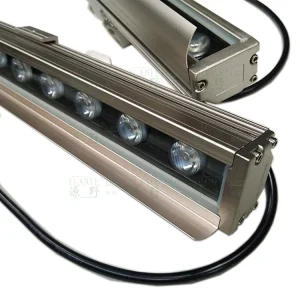
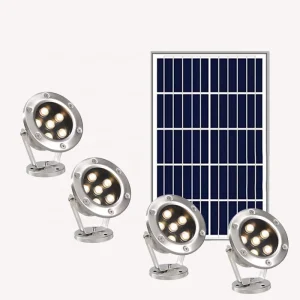
Explore high-power outdoor spotlights, solar-powered systems, and linear wall-washers to complete your project design.